How to Transplant Gray's feverfew?
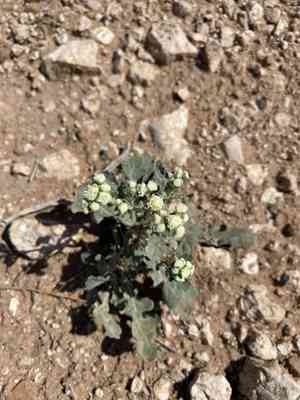
The optimal period for relocating gray's feverfew is mid-spring, when temperatures are mild and consistent. Select a site offering abundant sunlight and soil that drains effectively to guarantee successful establishment.
What Preparations are Needed Before Transplanting Gray's Feverfew?
What is the Ideal Time for Transplanting Gray's Feverfew?
Gray's feverfew is best moved in mid to late spring when temperatures are mild and after the last frost. This timing helps roots establish and promotes strong growth. Transplanting then minimizes stress and improves adaptation, leading to successful development and flowering. Following these steps ensures a robust and flourishing growing season.
How Much Space Should You Leave Between Gray's Feverfew Plants?
When relocating gray's feverfew, ensure each plant is positioned 12-18 inches (30-45 cm) apart. This provides ample room for growth without competition for resources.
What is the Best Soil Mix for Gray's Feverfew Transplanting?
Prepare well-draining soil using a blend of loamy and sandy components. Incorporating a balanced base fertilizer, such as a 10-10-10 (N-P-K), will supply essential nutrients for gray's feverfew's development.
Where Should You Relocate Your Gray's Feverfew?
Select a site that receives full sun to partial shade, aiming for at least 6 hours of daily sunlight. This ensures gray's feverfew gets sufficient light to flourish.
What Equipments Should You Prepare Before Transplantation Gray's Feverfew?
Gardening Gloves
To safeguard your hands while handling soil and plants.
Hand Trowel
For digging around the plant and loosening the earth.
Shovel
To excavate a hole in the new spot and assist in removing the plant from the ground if necessary.
Watering Can
To hydrate the plant before and after its relocation.
Compost or Organic Matter
To enrich the soil at the new planting site.
Stakes and Ties
To offer support to the plant if required post-transplanting.
Wheelbarrow
To move the plant to its new location if it is a large specimen.
How Do You Remove Gray's Feverfew from the Soil?
How Do You Remove Gray's Feverfew from the Soil?
From Ground: First, moisten the gray's feverfew plant's soil. Then, use a shovel or spade to dig a wide trench around the plant, ensuring the root ball remains intact. Carefully work the spade beneath the root ball to lift the plant from its original spot.From Pot: Water the gray's feverfew plant thoroughly to loosen the soil. Gently tap the pot's sides to free the roots, then carefully invert the pot, supporting the plant as it slides out. Carefully ease the root ball free, taking care not to harm the roots.From Seedling Tray: Water the seedlings to minimize root disturbance. Use a hand trowel to gently lift the seedlings from the tray, keeping as much of the root ball intact as possible. Handle the seedlings by their leaves, not their delicate stems.
Step-by-Step Guide for Transplanting Gray's Feverfew
Prepration
Ensure all necessary tools and equipment are gathered and ready before commencing the transplanting process.
Site Selection
Choose a location with adequate sunlight and space for your gray's feverfew plant to reach its mature size.
Soil Preperation
Prepare the soil by incorporating compost or organic matter to enrich it. Confirm the soil drains effectively.
Digging a Hole
Excavate a hole in the new location that is twice the width and the same depth as the root ball of your gray's feverfew.
Positioning the Plant
Place gray's feverfew in the hole, ensuring the top of the root ball is level with the surrounding soil.
Backfilling
Refill the hole with the excavated soil, pressing down gently to eliminate air pockets. Confirm the plant is stable and upright.
Watering
Water the gray's feverfew thoroughly after planting to help settle the soil and hydrate the plant.
How Do You Care For Gray's Feverfew After Transplanting?
Watering
Maintain consistent moisture in the soil around the gray's feverfew, avoiding sogginess, for the initial weeks post-transplant to encourage strong root development.
Mulching
Apply a layer of mulch around the plant's base to help retain moisture and stabilize soil temperature.
Protection
Utilize stakes and ties if needed to support the plant, especially if you are in a windy area.
Monitoring
Observe the plant for signs of stress, such as wilting or yellowing leaves, and adjust care as necessary.
Fertilizing
Avoid applying fertilizer immediately after transplanting. Once the plant has established, a balanced fertilizer can be used if required.
Troubleshooting Common Issues with Gray's Feverfew Transplantation.
When is the best time to transplant gray's feverfew?
The optimal time to transplant gray's feverfew is mid to late spring for ideal growth and health.
What spacing should I maintain while transplanting gray's feverfew?
Ensure plants are spaced 12-18 inches (30-45 cm) apart to allow for proper growth.
How should I prepare the soil for gray's feverfew?
Loosen the soil to a depth of 8-10 inches (20-25 cm) and mix in compost.
How do I protect gray's feverfew from transplant shock?
Water the plant thoroughly before and after transplanting to help reduce transplant shock.
What should I do if gray's feverfew wilts after transplanting?
Increase watering and provide temporary shade to help the plant recover from wilting.
Can I transplant gray's feverfew in full sun?
Yes, gray's feverfew thrives in full sun, but ensure gradual exposure to avoid sunburn.
What should I avoid while transplanting gray's feverfew?
Avoid disturbing the roots too much and transplanting during extremely hot or cold weather.
How deep should I plant gray's feverfew during transplanting?
Plant gray's feverfew at the same depth it was growing in its previous container or location.
What kind of mulch is best for gray's feverfew post-transplanting?
Use organic mulch like straw or wood chips around gray's feverfew to retain moisture and suppress weeds.
How often should I water gray's feverfew after transplanting?
Water gray's feverfew deeply once a week, ensuring the soil stays moist but not waterlogged.



