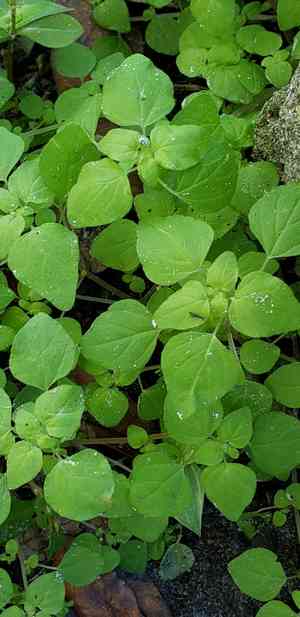
Florida pellitory (Parietaria floridana)
Also known as: No known aliases
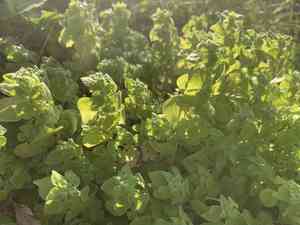
Florida pellitory is a perennial herb that prospers in the shady, moist environments of North American woodlands. It features small, oval to heart-shaped leaves and subtle greenish flowers. Preferring dappled sunlight, this plant thrives under the canopy of trees, taking advantage of the shelter to succeed in competitive plant communities.
In This Article
Attributes of Florida pellitory
Lifespan
Perennial
Plant Height
0.2 to 0.6 meters
Spread
Not applicable
Leaf Color
Green
Flower Size
Less than 1 cm
Flower Color
Greenish
Images of Florida pellitory
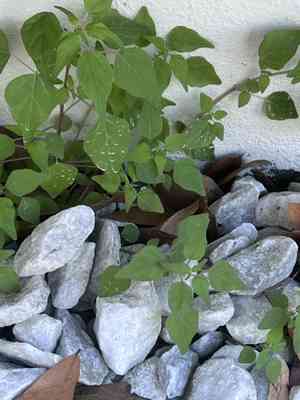
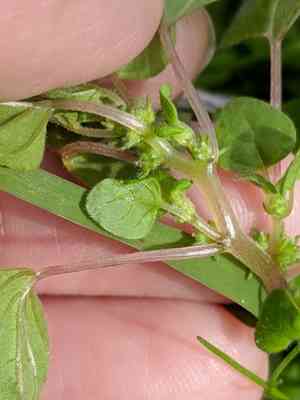
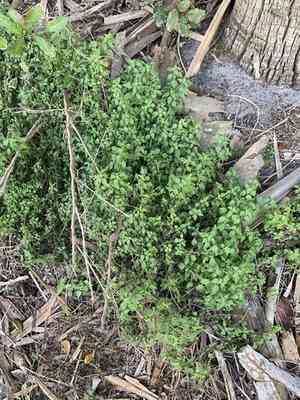
Quickly Identify Florida pellitory
1
Parietaria floridana can be identified by its small greenish flowers, alternate leaves, and slightly hairy stems. The leaves are oblong to ovate with a hairy, rough texture.
Scientific Classification of Florida pellitory
Phylum
Vascular plants
Class
Dicotyledons
Order
Rosales
Family
Nettle
Genus
Parietaria
Species
Florida pellitory
Planting and Growing of Florida pellitory
Care Difficulty
Easy
Watering Schedule
Every 2 days
Sunlight Requirements
Partial sun
Sunshine Duration
6-10 hours
Ideal Temperature
65-75℉
Soil Type
Potting Mix, Peat Mix
Soil pH
6.5-7.5
Fertilizer Type
Balanced
Pruning Season
Spring, Summer
Pruning Area
Branches, Leaves
Pruning Frequency
2 times a year
Repotting Season
Spring
Pot Type
Plastic, Terracotta
 How to Water Florida pellitory?
For Parietaria floridana, a careful balance is crucial when it comes to watering. Aim to provide approximately 250 milliliters per watering session, ensuring that the soil remains moist but not waterlogged. The key is to maintain a consistent moisture level in the soil without allowing it to completely dry out, as this plant thrives in moderately damp conditions.
What are the symptoms of an underwatered Florida pellitory?
›
What should I do if my Florida pellitory is not getting enough water?
›
What are the symptoms of an overwatered Florida pellitory?
›
How to save an overwatered Florida pellitory?
›
 What Are the Sunlight Requirements for Florida pellitory?
This plant ideally receives partial sun, enjoying dappled light for up to 6 hours daily. Appropriate light levels help in maintaining vibrant leaves and sturdy growth, ensuring overall plant vitality.
Optimal Sunlight Period
›
Positioning for Best Results
›
Adjusting Light Throughout Seasons
›
 What Is the Ideal Temperature Range for Florida pellitory?
Parietaria floridana thrives best within a temperature range of 65°F to 75°F. This range provides optimal conditions for growth by maintaining a stable environmental balance. Within this zone, the plant can engage in efficient photosynthesis and nutrient absorption.
 What Soil is Best for Florida pellitory?
Parietaria floridana thrives in well-aerated soil, which allows roots to breathe and facilitates water drainage. This prevents root rot and supports healthy plant growth. While this plant prefers well-draining soil, it also appreciates soil that retains sufficient moisture, ensuring the plant doesn't dry out between waterings, which is crucial for its optimal growth. Rich in nutrients, loamy soils provide essential minerals and elements for Parietaria floridana, supporting vigorous growth and enhancing resistance to diseases.
 How to Fertilize Florida pellitory?
Parietaria floridana, known for thriving in varied conditions, requires careful fertilization. During the growing season, apply a balanced liquid fertilizer at half the recommended strength. Avoid over-fertilizing to maintain a natural growth rate. Moderation is key to prevent nutrient burn and encourage healthy foliage.
 How to Prune Florida pellitory?
Before pruning, inspect the plant to identify dead or excessive growth. Focus on any branches that are overly long or crossing over each other. Cut at a 45-degree angle just above a leaf node. This not only encourages new growth but also ensures water runoff, reducing fungal issues. Dispose of pruned branches properly to prevent potential pest attraction or disease spread. Composting is an environmentally friendly option.
More About Pruning Techniques→
 How to Propagate Florida pellitory plant?
1
Harvest seeds from mature Parietaria floridana plants during spring. Ensure the seeds are fully ripe and free from any signs of disease before collection.
2
Select healthy stems from the plant for cutting propagation. Use sharp pruners to cut below a node, which will encourage root development.
3
Carefully dig up the plant and use a clean tool to divide its root ball into several sections, ensuring each section has ample roots and shoots.
 How to Repot Florida pellitory plant?
1
Parietaria floridana should be repotted when you notice its roots starting to emerge from the drainage holes or when the plant's growth significantly slows down. This indicates the plant has outgrown its current pot and requires more space to thrive.
2
Select a pot that is one size larger than the current one, ensuring it has adequate drainage holes. A pot that's too large can lead to water retention and root rot, while a properly sized pot encourages healthy growth and stability.
3
Opt for a well-draining potting mix, ideally one that's lightweight with organic matter like peat moss. This aids in preventing soggy conditions and ensures ample aeration for root development, promoting robust health in Parietaria floridana.
Learn More About Florida pellitory Diseases
Anthracnose
Bacterial Leaf Spot
Bacterial Soft Rot
Chemical Injury
Damping-off
Downy Mildew
Drought Stress
Fusarium Wilt
Gray Mold
Leaf Curl
Leaf Spot
Mosaic
Nutrient Deficiency
Nutrient Toxicity
Powdery Mildew
Root Rot
Root-knot Nematode
Rusts
Sooty Mold
Spider Mites
Temperature Stress
Thrips Damage
White Mold



