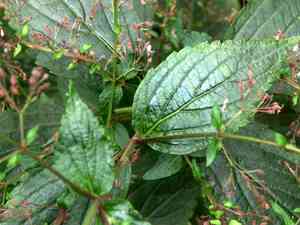
Isodon serra (Isodon serra)
Also known as: Painted Lips Plant, 小石竹, 石竹草, 石竹
Isodon serra is characterized by its upright, woody stems and serrated leaves, which hint at its name. Its tubular, pale blue to purple flowers cluster at stem tips, attracting various pollinators. Thriving in well-drained soils under full sun exposure, isodon serra's robust growth is often linked to its preference for warm and temperate regions, suggesting a resilience to diverse growing conditions.
In This Article
Attributes of Isodon serra
Lifespan
Perennial
Plant Type
Herb
Plant Height
1.5 m to 2 m
Spread
30-60 cm
Leaf Color
Green
Flower Size
10 cm to 20 cm
Flower Color
Purple
Images of Isodon serra
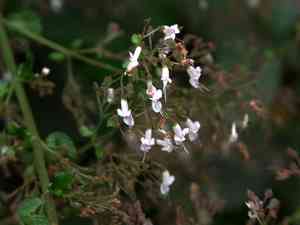
Quickly Identify Isodon serra
1
Isodon serra can be identified by its serrated leaf margins, tubular flowers with a violet hue, and the characteristic fragrance of its leaves when crushed. The plant often grows to form a small shrub.
Scientific Classification of Isodon serra
Phylum
Vascular plants
Class
Dicotyledons
Order
Lamiales
Family
Mint
Genus
Isodon
Species
Isodon serra
Planting and Growing of Isodon serra
Care Difficulty
Easy
Watering Schedule
Every 4 days
Sunlight Requirements
Partial sun
Sunshine Duration
4-8 hours
Ideal Temperature
65-75℉
Soil Type
Potting Mix, Peat Mix
Soil pH
6.5-7.5
Fertilizer Type
Balanced
Pruning Season
Spring, Summer
Pruning Area
Branches, Leaves
Pruning Frequency
2 times a year
Repotting Season
Spring
Pot Type
Plastic, Terracotta
 How to Water Isodon serra?
Isodon serra, or commonly known as the serrated isodon, requires a moderate watering approach. The soil should be kept evenly moist but never waterlogged. Watering should be done until the top 1-2 inches of soil are adequately moist, which typically requires around 250 milliliters per session.
What are the symptoms of an underwatered Isodon serra?
›
What should I do if my Isodon serra is not getting enough water?
›
What are the symptoms of an overwatered Isodon serra?
›
How to save an overwatered Isodon serra?
›
 What Are the Sunlight Requirements for Isodon serra?
Isodon serra prefers partial sun, benefiting from morning sunlight and dappled afternoon shade, encouraging robust growth and vibrant flowering.
How much sunlight is best for Isodon serra?
›
How to ensure ideal light conditions?
›
Benefits of ideal lighting for Isodon serra
›
 What Is the Ideal Temperature Range for Isodon serra?
For optimal growth of Isodon serra, maintaining an ambient temperature range of 65 to 75 degrees Fahrenheit is crucial. This temperature range promotes healthy photosynthesis, nutrient uptake, and overall plant vitality, thus ensuring good flowering and leaf development.
 What Soil is Best for Isodon serra?
Isodon serra prefers soil that drains well to prevent root rot. Well-drained soil ensures that excess water does not accumulate, thereby reducing the possibility of waterlogged conditions that can be detrimental to plant health. This plant thrives in moderately fertile soils that are rich in organic matter. The presence of nutrients in the soil supports healthy growth and robust flowering, offering a lush appearance throughout the growing season. While good drainage is critical, the soil should also be able to retain some moisture to keep the plant hydrated between waterings. Sandy loam or loam types facilitate this balance, ensuring the plant has consistent access to water without becoming oversaturated.
 How to Fertilize Isodon serra?
Isodon serra prefers moderate amounts of fertilizer, as too little can stunt growth, and too much can cause nutrient burn. A balanced fertilizer with an NPK ratio of 10-10-10 is ideal, applied at a rate of 5 grams per plant for slow-release granules or diluted in water at a ratio of 1 tablespoon per gallon.
 How to Prune Isodon serra?
Prune during early spring or summer when the plant is actively growing. This ensures that it has enough energy reserves to recover quickly from the cuts and can continue thriving throughout the season. Make clean cuts at a 45-degree angle, just above a node or bud to encourage new growth. Avoid cutting too close to the bud, as it may dry out, and leave about 1/4 inch above the node. To maintain a compact shape, remove about a third of the length of leggy branches, and routinely check for overgrown areas. This not only keeps the plant neat but also stimulates flowering.
More About Pruning Techniques→
 How to Propagate Isodon serra plant?
1
Harvest seeds directly from mature plants in the late summer. Ensure they are fully ripe to maximize their viability in germination. Clean and dry seeds thoroughly before storage.
2
Use a mixture of peat moss and sterile potting soil for seeds, ensuring good drainage. For cuttings, a mix including perlite can enhance aeration and promote root development.
3
Sow seeds evenly in starter trays or plant cuttings into soil. Maintain consistent moisture but avoid waterlogging, which can cause root rot. Cover trays with plastic domes to retain humidity.
 How to Repot Isodon serra plant?
1
Isodon serra should be repotted when you notice the roots are tightly bound or growing through the drainage holes. Spring and autumn are ideal seasons as the plant is less stressed by extremes in temperature, making it easier to adapt to a new pot.
2
Select a pot that is 1-2 inches larger in diameter than the current one. Preferably, use a pot made of clay or terracotta to facilitate better air flow and drainage. This size and material help regulate moisture levels, reducing risks of overwatering.
3
Opt for well-draining loamy soil for repotting. This soil type ensures adequate moisture retention while allowing excess water to drain away. It prevents waterlogging, thereby minimizing the risk of root rot and promoting healthy plant growth.
Learn More About Isodon serra Diseases
Anthracnose
Bacterial Leaf Spot
Bacterial Soft Rot
Bacterial Wilt
Black Spot
Chemical Injury
Crown Gall
Damping-off
Downy Mildew
Drought Stress
Fusarium Wilt
Gray Mold
Leaf Curl
Leaf Spot
Mosaic
Nutrient Deficiency
Nutrient Toxicity
Powdery Mildew
Root Rot
Root-knot Nematode
Rusts
Sooty Mold
Spider Mites
Temperature Stress
Thrips Damage
White Mold



