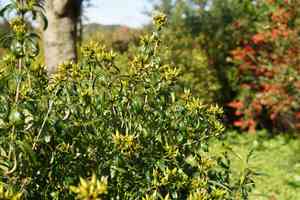
Great St. John's wort (Hypericum ascyron)
Also known as: Japanese St. John's Wort, Great St. John's Wort, Giant Hypericum
The Great St. John's wort (Hypericum ascyron) is a tall perennial plant native to parts of northeastern and midwestern North America as well as eastern Asia. It features striking golden yellow flowers and flourishes in marshes, riverbanks, and open fields. This hardy shrub prefers environments ranging from full sun to partial shade.
In This Article
Attributes of Great St. John's wort
Lifespan
Perennial
Plant Type
Herb
Plant Height
50 cm to 1.3 m
Spread
Varies based on environmental conditions, typically ranging from 30 to 60 cm
Leaf Color
Green
Flower Size
2.5 cm to 8 cm
Flower Color
Yellow
Images of Great St. John's wort
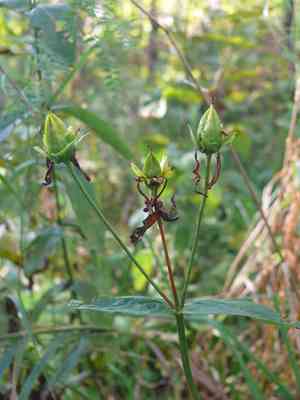
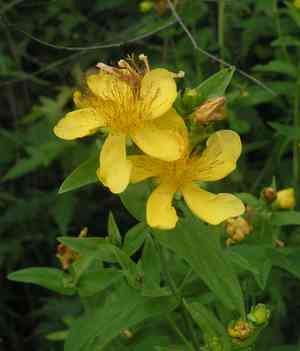
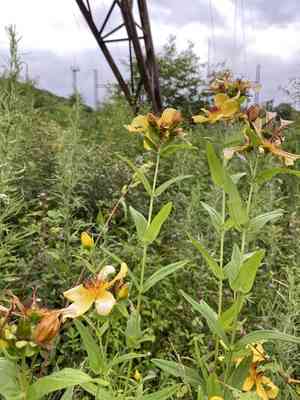
Quickly Identify Great St. John's wort
1
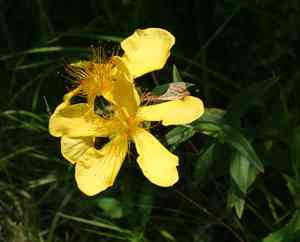
Hypericum ascyron can be identified by its tall stature, often reaching up to 1.5 meters, its lanceolate leaves that are arranged in an opposite pattern, and its distinctive bright yellow, star-shaped flowers with numerous stamens.
Scientific Classification of Great St. John's wort
Phylum
Vascular plants
Class
Dicotyledons
Order
Malpighiales
Family
St. John's wort
Genus
St. John's worts
Species
Great St. John's wort
Planting and Growing of Great St. John's wort
Care Difficulty
Easy
Watering Schedule
Every 4 days
Sunlight Requirements
Full sun
Sunshine Duration
6-10 hours
Ideal Temperature
60-75℉
Soil Type
Potting Mix, Peat Mix
Soil pH
6-7.5
Fertilizer Type
Balanced
Pruning Season
Spring, Summer
Pruning Area
Branches, Leaves
Pruning Frequency
2 times a year
Repotting Season
Spring
Pot Type
Plastic, Ceramic
 How to Water Great St. John's wort?
For Hypericum ascyron, it's essential to ensure the soil is consistently moist without being waterlogged. Aim to saturate the soil adequately so that water reaches deeper roots, promoting healthy growth. Use approximately 250 ml of water per watering, depending on the pot size and soil drainage.
What are the symptoms of an underwatered Great St. John's wort?
›
What should I do if my Great St. John's wort is not getting enough water?
›
What are the symptoms of an overwatered Great St. John's wort?
›
How to save an overwatered Great St. John's wort?
›
 What Are the Sunlight Requirements for Great St. John's wort?
Hypericum ascyron thrives in full sun to partial sun, benefiting from prolonged daily light exposure to stimulate flowering and robust foliage development. Good lighting prevents leggy growth.
More About Sunlight Requirements Techniques→
What type of sunlight does Hypericum ascyron prefer?
›
How to achieve perfect light conditions for Hypericum ascyron?
›
What happens in perfect lighting conditions for Hypericum ascyron?
›
 What Is the Ideal Temperature Range for Great St. John's wort?
Hypericum ascyron thrives best within a controlled temperature environment ranging from 60 to 75 degrees Fahrenheit. This range ensures optimal enzymatic activity and metabolic processes essential for the plant's development. Maintaining these temperatures consistently supports lush foliage and vibrant blooms.
 What Soil is Best for Great St. John's wort?
Hypericum ascyron prefers nutrient-rich soils to support its vibrant growth. Well-balanced nutrition, including necessary minerals and organic matter, can enhance flowering and overall plant health, making it a magnet for pollinators. This plant thrives in soil that offers excellent drainage. Loam and sandy loam are ideal since they prevent waterlogging, which could otherwise lead to root rot—ensuring the plant remains lush and robust. While not overly demanding, Hypericum ascyron does appreciate consistent moisture. A moderate moisture-retaining capacity in the soil helps sustain the plant during dry spells, supporting its upright growth and prolific blossoms.
 How to Fertilize Great St. John's wort?
Hypericum ascyron benefits from balanced fertilization, typically requiring a standard amount suitable for perennial plants. For liquid fertilizers, a concentration that matches the recommended dosage on the label is ideal, ensuring nutrients are provided without risking a nutrient burn.
 How to Prune Great St. John's wort?
Begin by sterilizing your pruning shears to prevent disease spread. Identify dead, damaged, or crossing branches and remove them at the base. Aim to open up the center of the plant to improve air circulation. Focus on maintaining an open and balanced shape to encourage optimal sunlight penetration.
More About Pruning Techniques→
 How to Propagate Great St. John's wort plant?
1
Start by filling trays or pots with a seed starter mix and placing the seeds evenly on the surface. Cover lightly with a thin layer of soil and keep the tray in a warm and bright location.
2
Select healthy stems and use sharp shears to take 4-6 inch cuttings. Remove leaves from the lower half and dip the cut end in rooting hormone before placing them in a suitable growing medium.
3
Carefully dig up the parent plant and separate the root clumps into smaller sections. Ensure each section has healthy roots and replant them into prepared soil to encourage new growth.
 How to Repot Great St. John's wort plant?
1
You should consider repotting Hypericum ascyron when you notice its roots wrapping tightly around the pot edge, indicating it's root-bound. Additionally, if the soil is drying out faster than usual or if plant growth becomes stunted, it's time to refresh its environment.
2
Select a pot that is larger than the current one by at least an inch in diameter. Ensure it has sufficient drainage holes at the bottom to prevent water accumulation, which can lead to root rot. Using a breathable material like terracotta can also help regulate moisture levels.
3
Opt for well-draining loamy soil that is rich in organic matter. This will provide the necessary aeration and nutrients, promoting healthy root development and preventing water from stagnating around the roots.
Learn More About Great St. John's wort Diseases
Anthracnose
Bacterial Leaf Spot
Bacterial Wilt
Chemical Injury
Crown Gall
Cyst Nematode
Damping-off
Drought Stress
Fusarium Wilt
Gray Mold
Leaf Spot
Mosaic
Nutrient Deficiency
Nutrient Toxicity
Powdery Mildew
Root Rot
Root-knot Nematode
Rusts
Sooty Mold
Spider Mites
Temperature Stress
Thrips Damage
White Mold



