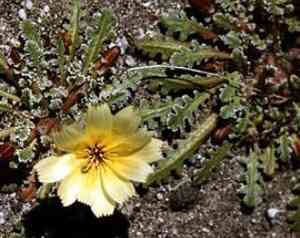
Carveseed (Glyptopleura marginata)
Also known as: Silverpuffs, Combleaf
The species is chiefly native to the Great Basin area of the Western United States, including regions in California, Nevada, Utah, Oregon, and Idaho.
In This Article
Attributes of Carveseed
Lifespan
Annual
Plant Type
Herb
Plant Height
4-12 inches (10-30 cm)
Spread
N/A
Leaf Color
Silvery-green
Flower Size
1-2 inches (2.5-5 cm)
Flower Color
White
Images of Carveseed
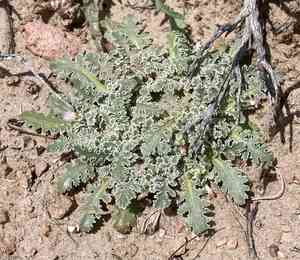
Quickly Identify Carveseed
1
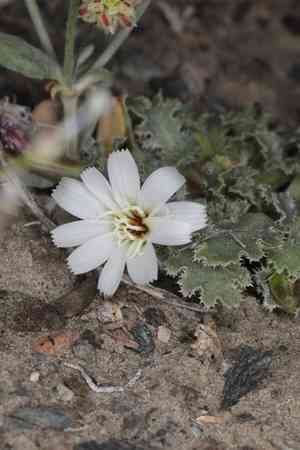
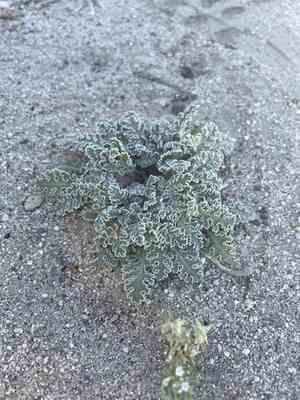
To identify Glyptopleura marginata, look for its distinctive silver-colored leaves that are deeply lobed and covered in dense hairs. Its flowers are white with a margin of frilled rays, which can help in its identification.
Scientific Classification of Carveseed
Phylum
Vascular plants
Class
Dicotyledons
Order
Asterales
Family
Daisy
Genus
Glyptopleura
Species
Carveseed
Planting and Growing of Carveseed
Care Difficulty
Easy
Watering Schedule
Every 2 days
Sunlight Requirements
Full sun
Sunshine Duration
4-6 hours
Ideal Temperature
68-77℉
Soil Type
Potting Mix, Peat Mix
Soil pH
6.5-7.5
Fertilizer Type
Balanced
Pruning Season
Spring, Summer
Pruning Area
Branches, Leaves
Pruning Frequency
2 times a year
Repotting Season
Spring
Pot Type
Plastic, Ceramic
 How to Water Carveseed?
For Glyptopleura marginata, it's vital to ensure the soil is moist but not soggy. You should water until the top inch of soil feels damp to the touch, which generally requires about 250 ml per session, sufficient to reach the root zone without oversaturating.
What are the symptoms of an underwatered Carveseed?
›
What should I do if my Carveseed is not getting enough water?
›
What are the symptoms of an overwatered Carveseed?
›
How to save an overwatered Carveseed?
›
 What Are the Sunlight Requirements for Carveseed?
Glyptopleura marginata benefits from full to partial sun exposure, fostering robust growth and vibrant foliage. Ideal lighting enhances photosynthesis, ensuring optimal health.
Is full sun the best for Glyptopleura marginata?
›
How can Partial sun affect Glyptopleura marginata?
›
What solutions enable optimal lighting?
›
 What Is the Ideal Temperature Range for Carveseed?
The ideal temperature range for Glyptopleura marginata is between 68 and 77 degrees Fahrenheit. This range provides the optimal environment for the plant's physiological processes, ensuring efficient photosynthesis, nutrient uptake, and overall growth. Maintaining temperatures within this range helps the plant to thrive and display its best growth characteristics.
 What Soil is Best for Carveseed?
Why does Glyptopleura marginata require well-draining soil? Well-draining soil prevents water from pooling around the roots, reducing the risk of root rot and ensuring the plant can access oxygen efficiently. This is crucial for healthy growth. Why is a nutrient-rich medium beneficial for Glyptopleura marginata? Nutrient-rich soil provides essential minerals and nutrients required for optimal growth and blooming, ensuring robust and resilient foliage. How do moderately moist conditions contribute to the plant's health? Maintaining moderate moisture levels in the soil ensures that the plant does not suffer from drought stress, promoting steady growth and vibrant foliage.
 How to Fertilize Carveseed?
Glyptopleura marginata benefits from a balanced fertilizer application. When using liquid fertilizer, apply at a rate of 1/2 teaspoon per gallon of water. For slow-release fertilizers, distribute approximately 2 tablespoons around the base of the plant. Ensure the nutrients are evenly dispersed, avoiding direct contact with leaves to prevent burning.
 How to Prune Carveseed?
Inspect the plant carefully and identify any dead, diseased, or damaged leaves and stems. These parts can harbor pests or diseases that might spread to healthy parts of the plant, so it's essential to locate and plan to remove them. When executing cuts, angle your tools at about 45 degrees to the plant's stem for optimal healing. This angle prevents water from gathering on cut surfaces, reducing the chance of bacterial or fungal growth, and promotes faster healing. Focus on trimming to maintain the desired shape and size. For Glyptopleura marginata, a balanced, rounded shape works best. Trim back any overgrown or awkwardly positioned branches to help the plant look aesthetically pleasing and ensure better air circulation. Once pruning is complete, re-examine the plant to ensure you've removed all unwanted parts. Check for any missed damaged sections and ensure the plant maintains a cohesive shape and healthy appearance.
More About Pruning Techniques→
 How to Propagate Carveseed plant?
1
Seeds should be collected from mature Glyptopleura marginata plants during late spring. Ensure that the seeds are dry and free from any signs of disease or damage.
2
Once collected, sow the seeds evenly onto the surface of the seed tray filled with a fine potting mix. Lightly cover them with a thin layer of the mix to prevent them from being washed away during watering.
3
Water the seeds gently using a spray bottle to maintain soil moisture without dislodging the seeds. Keep the tray in a warm, bright location but out of direct sunlight to avoid drying out the soil quickly.
 How to Repot Carveseed plant?
1
Glyptopleura marginata needs repotting typically when you notice roots emerging from the drainage holes or when the plant seems too large for its current pot. Another indicator is the slowdown or cessation of growth, suggesting that the roots have run out of space to expand. Spring or Summer is the best time to perform this task, providing optimal growing conditions for it to recover and flourish.
2
Select a pot that is 2 inches wider in diameter than the current one. This size will provide ample space for root expansion without overwhelming the plant with excess soil, which can lead to water retention and root rot. Ensure the pot has at least one drainage hole to prevent waterlogging and promote healthy air flow around the roots.
3
Opt for a well-draining, sandy soil mix ideally suited for desert plants. This type of soil mimics its natural habitat and helps prevent overwatering, which is a common problem with indoor plants. A good mix allows moisture to reach the roots without causing water to linger, promoting a healthy root system and robust growth.
Learn More About Carveseed Diseases
Anthracnose
Bacterial Leaf Spot
Bacterial Soft Rot
Bacterial Wilt
Chemical Injury
Crown Gall
Cyst Nematode
Damping-off
Downy Mildew
Drought Stress
Fusarium Wilt
Gray Mold
Leaf Curl
Leaf Spot
Mosaic
Nutrient Deficiency
Nutrient Toxicity
Powdery Mildew
Root Rot
Root-knot Nematode
Rusts
Sooty Mold
Spider Mites
Temperature Stress
Thrips Damage
White Mold



