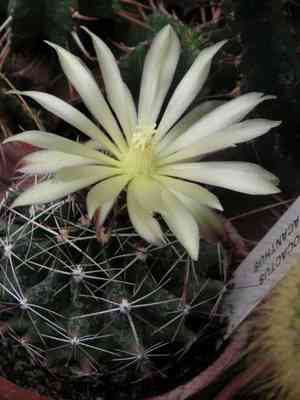
Turk's head (Ferocactus hamatacanthus)
Also known as: Hooked barrel cactus, Turk's head cactus
Ferocactus hamatacanthus, also known as Turk's head cactus, is sometimes called the Mexican fruit cactus. This spiny plant is commonly found in the Chihuahuan Desert, near the Rio Grande, and in regions of northern Mexico and the southwestern United States. Its edible fruits are a notable feature.
In This Article
Attributes of Turk's head
Lifespan
Perennial
Plant Type
Succulent
Plant Height
60 cm
Spread
30 cm
Leaf Color
NA
Flower Size
7 cm to 8 cm
Flower Color
Yellow
Images of Turk's head
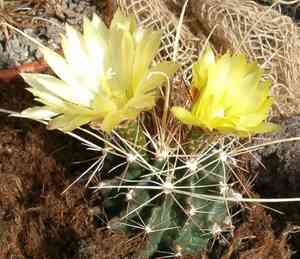
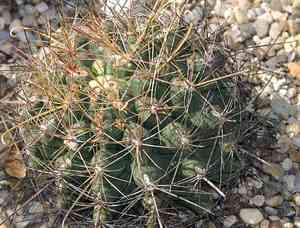
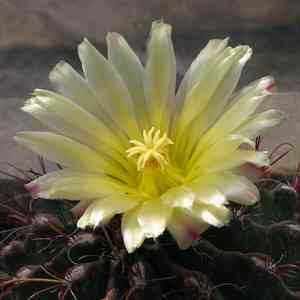
Quickly Identify Turk's head
1
Identify Ferocactus hamatacanthus by its large barrel shape, long hooked central spines, and yellow to orange flowers that bloom at the top of the cactus. The ribs are prominent, and the spines can be red, yellow, or white.
Scientific Classification of Turk's head
Phylum
Vascular plants
Class
Dicotyledons
Order
Caryophyllales
Family
Cactuses
Genus
Ferocactus
Species
Turk's head
Planting and Growing of Turk's head
Care Difficulty
Easy
Watering Schedule
Every day
Sunlight Requirements
Full sun
Sunshine Duration
4-8 hours
Ideal Temperature
65-80℉
Soil Type
Potting Mix, Peat Mix
Soil pH
6.5-7.5
Fertilizer Type
Balanced
Pruning Season
Spring, Summer
Pruning Area
Branches, Leaves
Pruning Frequency
2 times a year
Repotting Season
Spring
Pot Type
Plastic, Ceramic
 How to Water Turk's head?
Ferocactus hamatacanthus requires a balanced watering approach, avoiding extremes of drought and excess moisture. Water with approximately 150 milliliters of water each time, ensuring it reaches the roots without causing waterlogging. The soil should be allowed to nearly dry out between waterings to mimic its natural arid habitat.
What are the symptoms of an underwatered Turk's head?
›
What should I do if my Turk's head is not getting enough water?
›
What are the symptoms of an overwatered Turk's head?
›
How to save an overwatered Turk's head?
›
 What Are the Sunlight Requirements for Turk's head?
Full, direct sunlight is preferred, averaging 8 to 10 hours daily. This lighting condition encourages robust growth, enhances flower production, and maintains the cactus’s structural integrity.
More About Sunlight Requirements Techniques→
Optimal Light Intensity
›
Daily Light Schedule
›
Seasonal Light Adjustment
›
 What Is the Ideal Temperature Range for Turk's head?
Ferocactus hamatacanthus prefers a warm environment with temperatures ranging from 65°F to 80°F. This range ensures active growth and optimum health, providing conditions similar to its native habitat. Adequate sunlight exposure combined with these temperatures will support the cactus's natural photosynthesis process.
 What Soil is Best for Turk's head?
Ferocactus hamatacanthus thrives in well-draining soil, as this prevents waterlogging and root rot, ensuring the roots receive adequate oxygen. This is essential for maintaining the cactus's health and vigor. The soil should be rich in essential minerals to support the cactus's growth. This includes a balance of phosphorus, potassium, and calcium, which promote strong spine development and overall plant vitality. While the cactus prefers mineral-rich soil, a moderate amount of organic matter helps retain just enough moisture without risking waterlogging, thus supporting steady and healthy growth.
 How to Fertilize Turk's head?
For Ferocactus hamatacanthus, use a balanced cactus fertilizer diluted to half strength. Avoid excessive feeding to prevent root damage and fertilizer burn. A concentration of 1/4 teaspoon per gallon of water is typically sufficient.
 How to Prune Turk's head?
Identify any dead, damaged, or discolored spines on the cactus. Carefully snip these spines close to the base using sharp, sterilized scissors, taking care not to damage the healthy tissue. This promotes healthy growth and prevents decay. Locate any areas where new growth seems to be struggling. Prune sparingly around these spots to encourage better light penetration and airflow, which in turn stimulates new, healthy spine growth and ensures the cactus thrives.
 How to Propagate Turk's head plant?
1
To propagate from seeds, first gather mature seeds from the Ferocactus hamatacanthus. Sow them onto a well-draining cactus soil mix in a seed tray. Lightly cover with soil and water gently.
2
Select a healthy segment of the cactus and use a sterilized knife to take a cutting. Allow the cutting to callous over at the cut site for a few days before planting it in soil.
3
When propagating, ensure that the soil is damp but not overly wet. Water cautiously to avoid root rot, especially when using seed propagation.
 How to Repot Turk's head plant?
1
Observe the roots coming out of drainage holes or when the growth visibly slows down. This indicates that your Ferocactus hamatacanthus has outgrown its current pot and requires more space to continue thriving.
2
Choose a pot that is just 1-2 inches wider in diameter than the current one. A terracotta pot is ideal as it allows for air circulation and enhances drainage, reducing the chances of root rot.
3
Opt for a well-draining cactus mix containing components like sand, perlite, and a bit of organic material. This mixture ensures adequate water management and minimizes the risk of overwatering, which can be harmful to the cactus.



