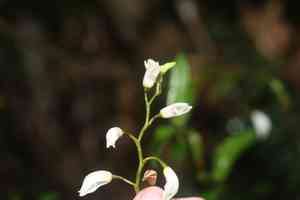
Parrotbeak orchid (Dilomilis montana)
Also known as: Mountain Dilomilis
The parrotbeak orchid is well-suited to high-altitude habitats due to several distinctive features. Its ground-hugging growth form helps it withstand strong winds prevalent in these areas. The orchid's broad, leathery leaves are designed to conserve moisture, vital for survival in often dry, alpine conditions. Moreover, its striking yellow flowers stand out against the rocky surroundings, showcasing the plant's ability to thrive and attract pollinators in a challenging environment. These adaptations collectively enable the parrotbeak orchid to flourish in high-altitude landscapes.
In This Article
Attributes of Parrotbeak orchid
Lifespan
Perennial
Plant Type
Shrub
Plant Height
20-30 cm
Spread
10-20 cm
Leaf Color
Green
Flower Size
1-2 cm
Flower Color
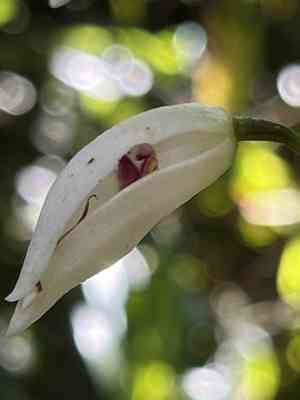
White with purple markings
Images of Parrotbeak orchid
Quickly Identify Parrotbeak orchid
1
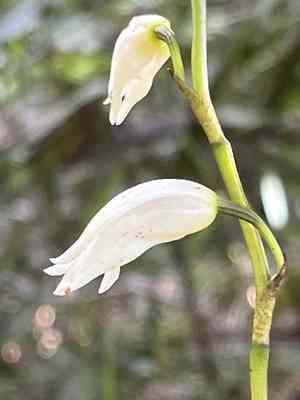
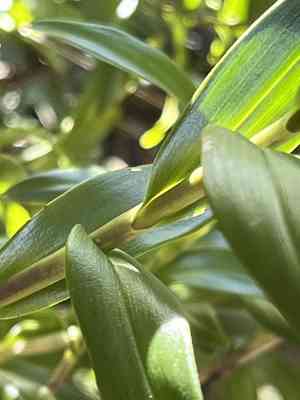
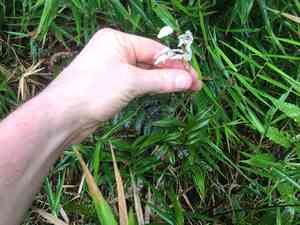
This orchid can be identified by its slender stems, lanceolate leaves, and small, intricate white flowers with purple markings.
Scientific Classification of Parrotbeak orchid
Phylum
Vascular plants
Class
Monocotyledons
Order
Asparagales
Family
Orchid
Genus
Dilomilis
Species
Parrotbeak orchid
Planting and Growing of Parrotbeak orchid
Care Difficulty
Hard
Watering Schedule
Every 2 days
Sunlight Requirements
Partial sun
Sunshine Duration
4-8 hours
Ideal Temperature
60-75℉
Soil Type
Potting Mix, Peat Mix
Soil pH
6.5-7.5
Fertilizer Type
Balanced
Pruning Season
Spring, Summer
Pruning Area
Branches, Leaves
Pruning Frequency
2 times a year
Repotting Season
Spring
Pot Type
Terracotta, Plastic
 How to Water Parrotbeak orchid?
Water Dilomilis montana until you achieve a thorough soak, ensuring that excess water drains through the bottom of the pot. This ensures that the root zone receives adequate moisture without sitting in water, which could cause root rot.
What are the symptoms of an underwatered Parrotbeak orchid?
›
What should I do if my Parrotbeak orchid is not getting enough water?
›
What are the symptoms of an overwatered Parrotbeak orchid?
›
How to save an overwatered Parrotbeak orchid?
›
 What Are the Sunlight Requirements for Parrotbeak orchid?
Dilomilis montana thrives in a partial sun to full shade range, with ideal light promoting healthier and more frequent blooms. Adequate light supports photosynthesis and ensures robust plant vitality.
What is the ideal lighting condition?
›
How can I achieve the ideal lighting?
›
What benefits come from ideal lighting?
›
 What Is the Ideal Temperature Range for Parrotbeak orchid?
The ideal temperature range for Dilomilis montana to thrive is between 60°F and 75°F. Within this range, the plant can perform photosynthesis effectively and maintain optimal growth and development. Keeping temperatures steady is crucial to avoid stress, which can lead to weak growth and potential susceptibility to diseases.
 What Soil is Best for Parrotbeak orchid?
Dilomilis montana thrives best in well-draining soil that prevents waterlogging. This requirement helps protect the roots from rot and encourages healthy growth. The plant benefits from a nutrient-rich soil that supports sustained growth and vibrant flowering. A balanced blend of essential nutrients boosts the plant's health and resistance to pests. While drainage is essential, the soil should also retain some moisture to keep the plant hydrated without becoming waterlogged. This balance is crucial for maintaining the plant's turgor and preventing wilting.
 How to Fertilize Parrotbeak orchid?
For Dilomilis montana, ensuring the right amount of fertilizer is crucial to its growth. Too little nutrient supply can stunt growth, while too much can lead to root burn. This orchid thrives with a balanced application of nutrients; therefore, use a quarter-strength orchid-specific liquid fertilizer during active growth periods. Over-fertilization will result in leaf tip burn, so precision is vital.
 How to Prune Parrotbeak orchid?
Start by identifying any dead or discolored stems. Use sharp, sterilized tools to cut these back to healthy tissue. Focus on maintaining a manageable shape and removing any overcrowded parts of the plant to encourage robust growth and improved air circulation. Carefully examine the flower stems and remove any that appear weak or are detracting from the overall appearance. This will help direct the plant's energy toward developing stronger, more vibrant blooms. Ensure you make angled cuts just above a node to facilitate new growth.
More About Pruning Techniques→
 How to Propagate Parrotbeak orchid plant?
1
Choose healthy and robust plants with no signs of disease. This ensures that the cuttings or seeds will have the best chance of growing into strong plants.
2
Using pruning shears, make a clean cut above a set of leaves on a healthy stem. The cutting should be approximately 4 to 6 inches long, depending on the size of the plant.
3
Sow seeds in a shallow tray filled with moist, well-draining potting mix. Cover lightly with soil, and ensure they are kept moist but not waterlogged.
 How to Repot Parrotbeak orchid plant?
1
Dilomilis montana should be repotted when root growth is excessive and begins to circle the pot. Another sign is when the substrate fails to drain properly due to decomposition. Repotting is ideally done in spring or summer, when the plant is in an active growth phase, enhancing its recovery.
2
Select a pot that is slightly larger than the current one, with good drainage holes. A shallow pot or an orchid basket works well. These options provide better air circulation around roots, reducing the risk of rot. Adequate drainage ensures that the roots remain healthy and promotes robust flowering.
3
Use a well-draining orchid mix, available at most garden centers, typically containing bark or coconut husk. This mix is airy and allows excess water to easily flow through, preventing root rot. The mix mimics the plant's natural epiphytic environment, supporting both roots and blooms.
Learn More About Parrotbeak orchid Diseases
Anthracnose
Bacterial Leaf Spot
Bacterial Soft Rot
Bacterial Wilt
Black Spot
Chemical Injury
Crown Gall
Cyst Nematode
Damping-off
Downy Mildew
Drought Stress
Fusarium Wilt
Gray Mold
Leaf Curl
Leaf Spot
Mosaic
Nutrient Deficiency
Nutrient Toxicity
Powdery Mildew
Root Rot
Root-knot Nematode
Rusts
Sooty Mold
Spider Mites
Temperature Stress
Thrips Damage
White Mold



