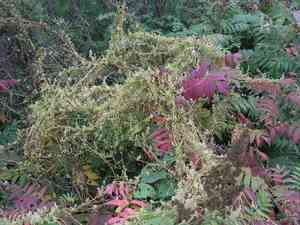
Japanese dodder (Cuscuta japonica)
Also known as: Japanese dodder, devil's hair
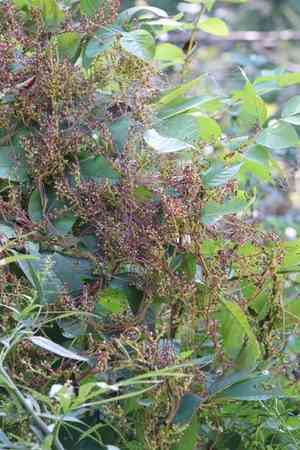
Japanese dodder (Cuscuta japonica) is a parasitic plant notable for its thin, twining stems that are typically yellow or orange due to the absence of chlorophyll. It features small, bell-shaped flowers that are white or light pink. This vine attaches to host plants using specialized structures called haustoria, which extract nutrients from the host.
**Impact on Agricultural Crops**:
1. **Resource Depletion**: Extracts water and nutrients from host plants, leading to stunted growth and reduced crop yields.
2. **Wide Range of Hosts**: Capable of parasitizing a variety of crops including fruits, vegetables, and ornamentals.
3. **Economic Loss**: Decreases both the quantity and quality of produce, leading to significant financial losses for farmers.
4. **Control Challenges**: Difficult to manage due to rapid spread and resilience, increasing costs for labor and chemical treatments.
Overall, Japanese dodder's invasive nature and parasitic lifestyle make it a serious threat to agricultural productivity and economic stability.
Attributes of Japanese dodder
Images of Japanese dodder
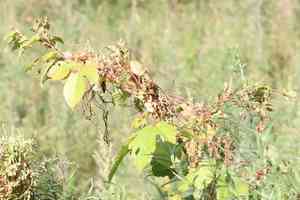
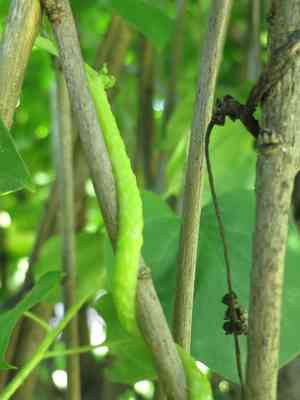
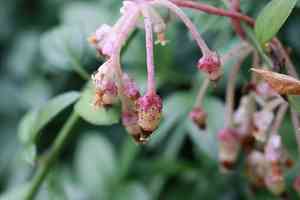
 How to Water Japanese dodder?
  What Are the Sunlight Requirements for Japanese dodder?
  What Is the Ideal Temperature Range for Japanese dodder?
  What Soil is Best for Japanese dodder?
  How to Fertilize Japanese dodder?
  How to Prune Japanese dodder?
  How to Propagate Japanese dodder plant?
 How to Repot Japanese dodder plant?



