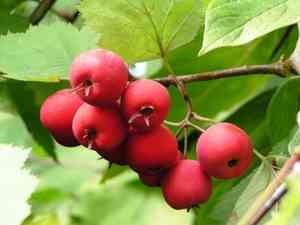
Big-fruit hawthorn (Crataegus macrosperma)
Also known as: Large-seeded hawthorn
Crataegus macrosperma, also known as the bigfruit hawthorn, is indigenous to much of the eastern United States and neighboring regions of Canada. While it is less common at lower elevations in the southern areas, it is frequently mistaken for Crataegus flabellata. Notably, it is among the first hawthorns to flower in the spring.
In This Article
Attributes of Big-fruit hawthorn
Lifespan
Perennial
Plant Type
Tree, Shrub
Plant Height
3.5 m to 22 m
Spread
5 to 8 meters
Leaf Color
Green
Flower Size
1.5 to 2 centimeters
Flower Color
White
Images of Big-fruit hawthorn
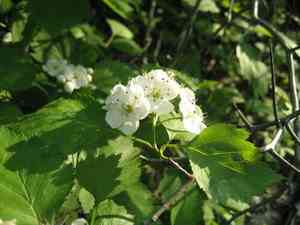
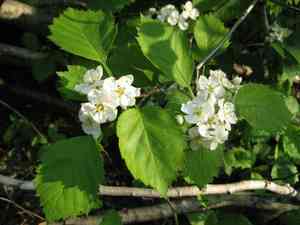

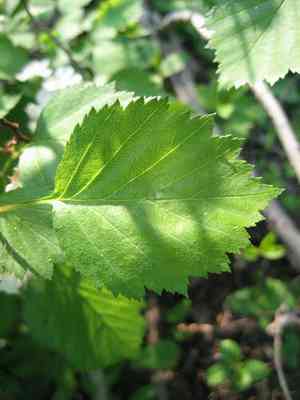
Quickly Identify Big-fruit hawthorn
1
Small red to orange pome fruit (0.4-0.8 inches / 1-2 cm) with smooth skin and firm flesh.
2
Clusters of delicate white flowers with 5 petals, 5-10 stamens, and pink anthers.
3
Oval to ovate leaves (1-3 inches / 2.5-7.6 cm) with serrated margins and visible glands.
4
Golden green stems turning dark brown with thorns, slim but firm, contributing to plant integrity.
5
Distinctive aging bark with fissured scales, transitioning from smooth to ridged, typically grey to brownish.
Scientific Classification of Big-fruit hawthorn
Phylum
Vascular plants
Class
Dicotyledons
Order
Rosales
Family
Rose
Genus
Hawthorns
Species
Big-fruit hawthorn
Planting and Growing of Big-fruit hawthorn
Care Difficulty
Easy
Watering Schedule
Every 2 days
Sunlight Requirements
Full sun
Sunshine Duration
4-8 hours
Ideal Temperature
50-70℉
Soil Type
Potting Mix, Peat Mix
Soil pH
6.5-7.5
Fertilizer Type
Balanced
Pruning Season
Spring, Summer
Pruning Area
Branches, Leaves
Pruning Frequency
2 times a year
Repotting Season
Spring
Pot Type
Terracotta, Plastic
 How to Water Big-fruit hawthorn?
For Crataegus macrosperma, the watering should be thorough yet cautious. Ideally, the soil should be allowed to dry to a depth of about 2 inches between waterings, ensuring the root zone remains moist but not waterlogged. Watering should be deep enough to reach the root system but not so excessive as to cause runoff or water retention issues that could lead to root rot.
What are the symptoms of an underwatered Big-fruit hawthorn?
›
What should I do if my Big-fruit hawthorn is not getting enough water?
›
What are the symptoms of an overwatered Big-fruit hawthorn?
›
How to save an overwatered Big-fruit hawthorn?
›
 What Are the Sunlight Requirements for Big-fruit hawthorn?
Crataegus macrosperma prefers full sun or partial sun exposure for optimal performance. Ideal sunlight conditions enhance flowering and leaf health, resulting in an aesthetically pleasing and robust plant.
Preferred Sun Exposure
›
Solution for Ideal Lighting
›
Benefits of Ideal Sunlight
›
 What Is the Ideal Temperature Range for Big-fruit hawthorn?
The ideal temperature range for cultivating Crataegus macrosperma is between 50°F and 70°F. This range ensures optimal growth and health. Consistent temperatures within this bracket help the plant to thrive by supporting efficient photosynthesis and avoiding stress conditions that could inhibit growth.
 What Soil is Best for Big-fruit hawthorn?
Crataegus macrosperma thrives in nutrient-rich soil that can support its growth and development. The presence of essential nutrients like nitrogen, phosphorus, and potassium in the soil improves its overall health and increases its resistance to diseases. Proper soil drainage is crucial for Crataegus macrosperma to prevent waterlogging, which can lead to root rot. A well-draining soil helps the plant absorb nutrients effectively and supports healthy root development. The soil should retain enough moisture to keep Crataegus macrosperma hydrated without becoming soggy. This ensures consistent water availability, aiding in the plant's growth and photosynthesis.
 How to Fertilize Big-fruit hawthorn?
Crataegus macrosperma generally requires a balanced approach to fertilization. For young plants, a higher nitrogen level can promote strong growth, while mature plants benefit more from a balanced NPK ratio. An application of liquid fertilizer at about a quarter strength every two weeks during the growing season is recommended, while slow-release fertilizers should be applied at a rate of 0.5 pounds per shrub once during early spring, summer, and early fall.
 How to Prune Big-fruit hawthorn?
Begin by examining the tree's branches for any signs of disease or damage. These branches should be pruned first to prevent the spread of pathogens. Also, look for branches that cross each other or grow inward, as these should be removed to improve air circulation and sunlight penetration. Once diseased or problematic branches are removed, you can start shaping the tree. Focus on maintaining a balanced structure by cutting back overgrown limbs to a bud pointing in the desired direction. Aim for a pyramid-like shape with a single main trunk for better structural integrity. After pruning, ensure all cuts are clean and made at a slight angle to prevent water accumulation. Use sharp, sterilized pruning tools to minimize the risk of infection and promote quick healing.
More About Pruning Techniques→
 How to Propagate Big-fruit hawthorn plant?
1
Collect ripe seeds from mature Crataegus macrosperma fruits during the autumn when they naturally fall to the ground. Clean seeds by removing the pulp, then dry them in a cool, well-ventilated area.
2
To break dormancy, seeds require stratification. Place them in a moistened medium like sand and store in a refrigerator for 90-120 days. This simulates winter conditions necessary for germination.
3
During early summer, take semi-softwood cuttings about 10-15 cm in length. Remove leaves from the lower part, apply rooting hormone, and plant in a sterile growing medium with good drainage.
 How to Repot Big-fruit hawthorn plant?
1
Crataegus macrosperma signals the need for repotting when roots start to emerge from the drainage holes, or the plant becomes root-bound. Ideally, repotting should occur during the active growing season in spring or summer, as the plant can establish itself in the new soil quickly.
2
Select a pot that is 1-2 inches larger in diameter than the current one. Ensure it has adequate drainage holes to prevent waterlogging. This helps avoid root rot and promotes healthy growth, providing enough space for the plant to expand its roots comfortably.
3
Use a rich, well-draining soil mix, ideally one that is slightly acidic to neutral. This promotes healthy root growth and provides essential nutrients, allowing the plant to thrive without being waterlogged or nutrient-deficient.



