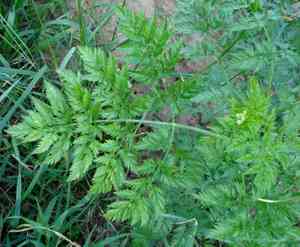
Turnip-root chervil (Chaerophyllum bulbosum)
Also known as: Bulbous chervil, Tuberous chervil
Turnip-root chervil, known for its starchy roots, was historically grown for this characteristic. It has a taproot that stores energy to support the growth of its flowers, which resemble those of cow parsley, in the next season. Its native habitat spans Europe and Western Asia.
In This Article
Attributes of Turnip-root chervil
Lifespan
Biennial, Perennial
Plant Type
Herb
Plant Height
1 m to 2 m
Spread
N/A
Leaf Color
Green
Flower Size
6 mm
Flower Color
White
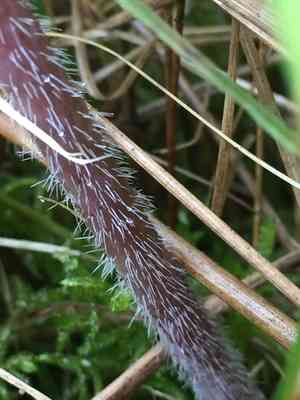
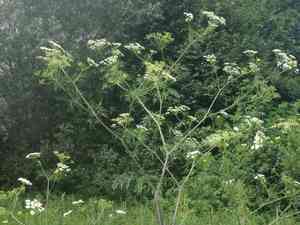
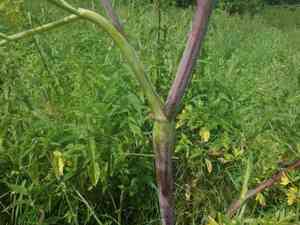
Images of Turnip-root chervil
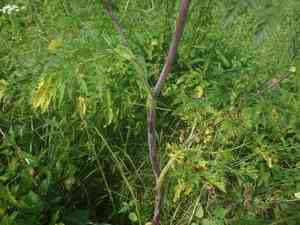
Quickly Identify Turnip-root chervil
1
To identify Chaerophyllum bulbosum, look for its finely divided fern-like leaves, umbels of small white flowers, and distinctive tuberous roots. The plant has a height of around 60-120 cm and forms dense clusters.
Scientific Classification of Turnip-root chervil
Phylum
Vascular plants
Class
Dicotyledons
Order
Apiales
Family
Umbellifers
Genus
Chervil
Species
Turnip-root chervil
Planting and Growing of Turnip-root chervil
Care Difficulty
Easy
Watering Schedule
Every 4 days
Sunlight Requirements
Full sun
Sunshine Duration
6-10 hours
Ideal Temperature
60-70℉
Soil Type
Potting Mix, Peat Mix
Soil pH
6.5-7.5
Fertilizer Type
Balanced
Pruning Season
Spring, Summer
Pruning Area
Branches, Leaves
Pruning Frequency
2 times a year
Repotting Season
Spring
Pot Type
Plastic, Terracotta
 How to Water Turnip-root chervil?
For Chaerophyllum bulbosum, a precise watering quantity is crucial. The ideal amount is about 500 milliliters per watering session. This ensures that the soil is adequately moist without causing waterlogging. It’s crucial to aim for soil that feels damp to the touch approximately two inches deep, rather than saturated. Proper watering should mimic natural rainfall, allowing moisture to thoroughly penetrate the soil.
What are the symptoms of an underwatered Turnip-root chervil?
›
What should I do if my Turnip-root chervil is not getting enough water?
›
What are the symptoms of an overwatered Turnip-root chervil?
›
How to save an overwatered Turnip-root chervil?
›
 What Are the Sunlight Requirements for Turnip-root chervil?
Full sun for 4-6 hours daily ensures Chaerophyllum bulbosum grows lush and well-formed with enhanced photosynthetic efficiency and nutrient absorption.
How to Achieve Ideal Lighting?
›
What Are the Benefits of Ideal Lighting?
›
What Solutions Can Enhance Light Conditions?
›
 What Is the Ideal Temperature Range for Turnip-root chervil?
The ideal temperature range for Chaerophyllum bulbosum is between 60°F and 70°F. Within this range, the plant demonstrates optimal growth, maintaining healthy foliage and robust root development. This temperature range ensures efficient nutrient uptake and overall plant vitality.
 What Soil is Best for Turnip-root chervil?
Chaerophyllum bulbosum thrives best in well-drained soil to prevent root rot, which is crucial for its healthy growth. Well-draining soil ensures water does not pool around roots, leading to optimal moisture levels and nutrient uptake. For optimal growth, Chaerophyllum bulbosum requires a soil rich in organic matter. This nutrient-dense environment enhances the plant's growth by providing essential nutrients and improving soil structure. While well-drained, the soil should still retain adequate moisture to support Chaerophyllum bulbosum. Proper moisture encourages continuous growth and prevents wilting, ensuring the plant receives consistent hydration.
 How to Fertilize Turnip-root chervil?
For Chaerophyllum bulbosum, it is essential to apply fertilizer judiciously. When using liquid fertilizer, apply half of the recommended dose to prevent nutrient overload and salt build-up, which can harm the plant's roots. A light application helps ensure the plant gets its necessary nutrients without overwhelming its system.
 How to Prune Turnip-root chervil?
Choose sharp and clean pruning shears for an efficient cut. Slide the blade underneath the stem at an angle to ensure a clean cut, which helps the plant heal faster and minimizes damage. Make precise cuts at a 45-degree angle above a node or bud to promote new growth. Start by removing larger, obstructive branches before moving on to smaller parts, ensuring you don't cut more than a third of the plant at once.
More About Pruning Techniques→
 How to Propagate Turnip-root chervil plant?
1
Choose a seed-starting potting mix and moisten it with water until it is evenly damp. Fill your seed starting trays with this medium, leaving a bit of space at the top. This prepares the ideal environment for seed germination.
2
Sprinkle Chaerophyllum bulbosum seeds evenly across the surface of the soil in the tray. Lightly cover the seeds with a thin layer of potting mix, ensuring they are not buried too deeply, which could hinder germination.
3
Cover the tray with a plastic lid or plastic wrap to keep the seeds moist. Water the seeds lightly with a spray bottle, ensuring the soil remains consistently moist but not waterlogged, which is crucial for germination.
 How to Repot Turnip-root chervil plant?
1
Chaerophyllum bulbosum should be repotted when you notice its roots pushing against the pot or coming out of the drainage holes at the bottom. Additionally, if the plant is not growing well or if the soil dries out too quickly, it might be time to repot to provide fresh nutrients.
2
When selecting a pot for Chaerophyllum bulbosum, opt for one that is one size larger than the current pot to allow room for root expansion. Ensure the pot has adequate drainage holes to prevent waterlogging, which can lead to root rot. A terracotta pot can be beneficial as it is porous and allows for better air exchange.
3
Choose a well-draining, loamy soil mix rich in organic matter for repotting Chaerophyllum bulbosum. This type of soil provides good drainage while holding enough moisture and nutrients, supporting healthy root growth and overall plant vigor.



