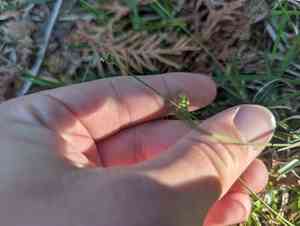
Low northern sedge (Carex concinna)
Also known as: Beauty Sedge
Low northern sedge (Carex garberi) is a perennial plant that prefers wet, calcareous habitats such as fens, marshes, and wet meadows. It features slender, narrow leaves and small, clustered flower spikes, forming low tufts. Typically growing between 20-60 cm tall, its stems are fine-textured and ridged, with a soft green hue. This sedge thrives in full sun to partial shade and is well-suited to cooler climates, enhancing local biodiversity and providing habitat for various fauna.
In This Article
Attributes of Low northern sedge
Lifespan
Perennial
Plant Type
Grass
Plant Height
0 mm to 30 cm
Spread
The crown diameter is not typically measured for sedges.
Leaf Color
Green
Flower Size
Not applicable, as sedge flowers are very small.
Flower Color
Brownish-green
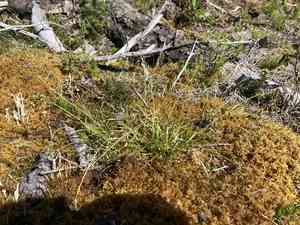
Images of Low northern sedge
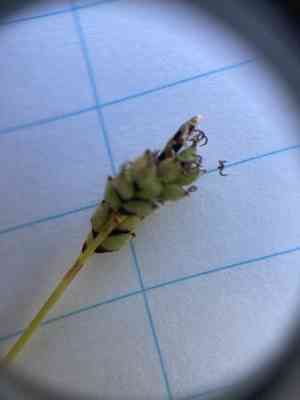
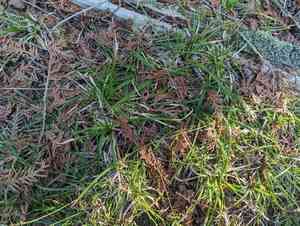
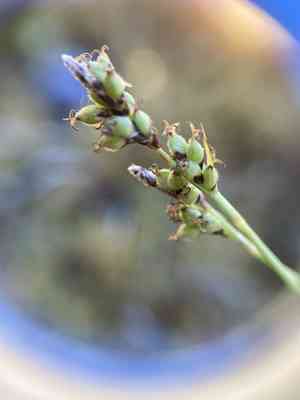
Quickly Identify Low northern sedge
1
Carex concinna can be identified by its sprawling growth habit, narrow grass-like leaves, and triangular stems. The plants produce small, inconspicuous flowers arranged in spikelets.
Scientific Classification of Low northern sedge
Phylum
Vascular plants
Class
Monocotyledons
Order
Poales
Family
Sedge
Genus
True sedges
Species
Low northern sedge
Planting and Growing of Low northern sedge
Care Difficulty
Easy
Watering Schedule
Every 2 days
Sunlight Requirements
Partial sun
Sunshine Duration
4-8 hours
Ideal Temperature
50-68℉
Soil Type
Potting Mix, Peat Mix
Soil pH
6.5-7.5
Fertilizer Type
Balanced
Pruning Season
Spring, Summer
Pruning Area
Branches, Leaves
Pruning Frequency
Once a year
Repotting Season
Spring
Pot Type
Plastic, Ceramic
 How to Water Low northern sedge?
Carex concinna thrives with consistent, moderate watering. Aim to provide about 200 ml per session. Water until the top inch of soil becomes moist, avoiding water pooling to ensure proper root aeration.
What are the symptoms of an underwatered Low northern sedge?
›
What should I do if my Low northern sedge is not getting enough water?
›
What are the symptoms of an overwatered Low northern sedge?
›
How to save an overwatered Low northern sedge?
›
 What Are the Sunlight Requirements for Low northern sedge?
Carex concinna prefers partial sun to full shade, aligning with its native environments. Ideal lighting supports lush, vibrant growth, robust structure, and optimal stress resistance.
What is the best lighting environment for Carex concinna?
›
How can I provide ideal lighting for Carex concinna?
›
What benefits do ideal lighting conditions provide for Carex concinna?
›
 What Is the Ideal Temperature Range for Low northern sedge?
Carex concinna thrives best in environments where the temperature is maintained between 50°F and 68°F. This temperature range provides optimal conditions for growth, ensuring robust development and healthy foliage. When kept within this range, the plant can efficiently perform photosynthesis, maintaining its vibrant green coloration and prolific growth.
 What Soil is Best for Low northern sedge?
Carex concinna thrives in well-drained soil, which prevents water from pooling around its roots. This minimizes the risk of root rot and promotes healthy root development, ensuring the plant's longevity. This plant prefers moderately fertile soils that provide adequate nutrition without being overly rich. Such soil supports sustainable growth, helping the plant maintain its form and foliage without excessive fertilization. While Carex concinna prefers well-drained soil, it also benefits from soils that retain some moisture. This balance ensures the plant is consistently hydrated without being oversaturated, supporting vigorous growth.
 How to Fertilize Low northern sedge?
When applying liquid fertilizer to Carex concinna, use a diluted solution at half strength to ensure the plant receives nutrients without overwhelming it. For slow-release fertilizers, distribute evenly around the base of the plant, sticking to the recommended amounts on the packaging to avoid over-fertilization.
 How to Prune Low northern sedge?
Begin by identifying any brown, yellow, or damaged leaves. These should be the first targets for removal to help the plant focus its energy on healthy growth. For best results, remove unwanted foliage by cutting it at the base where the leaf meets the stalk. This minimizes visible stubs and helps maintain a natural appearance. After removing damaged leaves, trim the outer leaves slightly to shape the plant as desired. This encourages a denser and more aesthetically pleasing form.
More About Pruning Techniques→
 How to Propagate Low northern sedge plant?
1
Collect seeds from mature plants and clean them to remove any debris. Ensure they are dry before storing or planting to prevent mold or rot during storage.
2
Prepare a well-draining potting mix, ideally with a mix of sand and peat. This ensures the seeds or divisions are provided with a conducive growing medium.
3
Carefully dig up the plant and separate mature clumps into smaller sections using a sharp knife, ensuring each section has a healthy root system for successful propagation.
 How to Repot Low northern sedge plant?
1
Carex concinna requires repotting when it becomes root-bound or when growth visibly slows. Watch for roots coming out of the drainage holes or soil that dries out too quickly, indicating the plant has outgrown its current pot.
2
Opt for a pot that is just a size larger than the current one. It's crucial that the pot has adequate drainage holes to prevent waterlogging, which can lead to root rot. A slightly bigger pot allows enough space for root expansion without overwhelming the plant.
3
Use a loamy, well-draining soil mix to ensure proper moisture retention while allowing excess water to escape efficiently. This balance prevents both dehydration and root rot, promoting healthy root and foliar development.
Learn More About Low northern sedge Diseases
Anthracnose
Bacterial Leaf Spot
Bacterial Soft Rot
Bacterial Wilt
Crown Gall
Cyst Nematode
Damping-off
Downy Mildew
Drought Stress
Fusarium Wilt
Gray Mold
Leaf Spot
Mosaic
Nutrient Deficiency
Nutrient Toxicity
Powdery Mildew
Root Rot
Root-knot Nematode
Rusts
Sooty Mold
Spider Mites
Temperature Stress
Thrips Damage
White Mold
Chemical Injury



