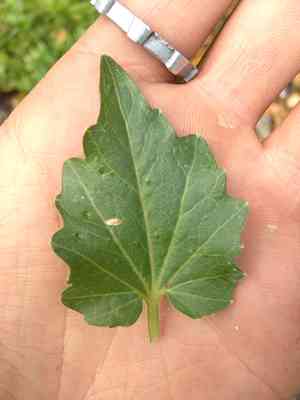
Heartleaf bittercress (Cardamine cordifolia)
Also known as: Heart-leaved bittercress
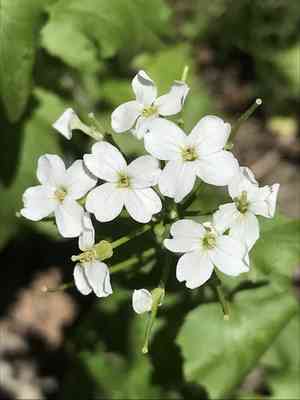
Heartleaf bittercress is a perennial herb notable for its distinctive heart-shaped leaves at the base. It features tiny white or pale pink flowers on thin stems and prospers in moist, shaded woodlands and stream banks. The plant typically forms a low rosette of leaves and is well-suited to cool, damp environments. Its delicate appearance and resilience make it a characteristic plant in these moist, shaded areas.
In This Article
Attributes of Heartleaf bittercress
Lifespan
Perennial
Plant Type
Herb
Plant Height
20 cm to 61 cm
Spread
Not applicable
Leaf Color
Green
Flower Size
0.5-1 cm
Flower Color
White
Images of Heartleaf bittercress
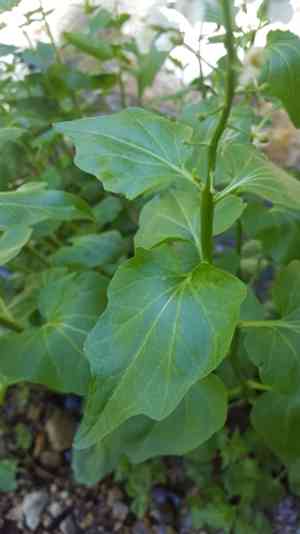
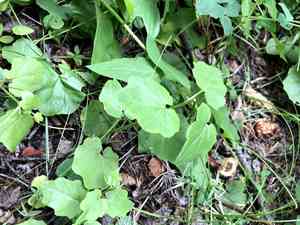
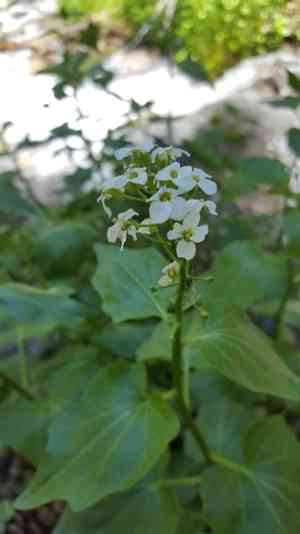
Quickly Identify Heartleaf bittercress
1
The plant can be identified by its heart-shaped leaves, which are compound and have a lacey edge. The flowers are small, white, and form clusters at the top of the stems.
Scientific Classification of Heartleaf bittercress
Phylum
Vascular plants
Class
Dicotyledons
Order
Brassicales
Family
Cruciferae
Genus
Bittercresses
Species
Heartleaf bittercress
Planting and Growing of Heartleaf bittercress
Care Difficulty
Easy
Watering Schedule
Every 4 days
Sunlight Requirements
Partial sun
Sunshine Duration
4-6 hours
Ideal Temperature
55-75℉
Soil Type
Potting Mix, Peat Mix
Soil pH
6.5-7.5
Fertilizer Type
Balanced
Pruning Season
Spring, Summer
Pruning Area
Branches, Leaves
Pruning Frequency
2 times a year
Repotting Season
Spring
Pot Type
Plastic, Ceramic
 How to Water Heartleaf bittercress?
For Cardamine cordifolia, it’s crucial to maintain moist soil at all times. Water sufficiently until the soil feels evenly soggy but avoid waterlogging. About 500 ml should suffice, ensuring the soil remains damp but not puddling water on the surface.
What are the symptoms of an underwatered Heartleaf bittercress?
›
What should I do if my Heartleaf bittercress is not getting enough water?
›
What are the symptoms of an overwatered Heartleaf bittercress?
›
How to save an overwatered Heartleaf bittercress?
›
 What Are the Sunlight Requirements for Heartleaf bittercress?
Cardamine cordifolia thrives under partial sun, benefiting from 4 to 6 hours of filtered sunlight. This ideal lighting promotes lush foliage and continuous blooming, enhancing its natural beauty.
What lighting conditions does Cardamine cordifolia prefer?
›
How can I achieve ideal lighting for Cardamine cordifolia?
›
What benefits does Cardamine cordifolia gain from ideal lighting?
›
 What Is the Ideal Temperature Range for Heartleaf bittercress?
The ideal temperature range for Cardamine cordifolia is between 55°F and 75°F. This range provides the optimal conditions for growth, ensuring the plant can photosynthesize efficiently. The moderate temperatures also help in maintaining soil moisture levels and preventing stress from extreme environmental changes.
 What Soil is Best for Heartleaf bittercress?
Cardamine cordifolia thrives in environments that maintain consistent soil moisture. A soil type that allows for good water retention ensures that the plant retains the necessary hydration for optimal growth, preventing wilting and encouraging lush foliage. While moisture-retentive, the soil must also drain well to avoid waterlogging. Good drainage prevents root rot and maintains airy soil conditions, essential for healthy root development and nutrient absorption. This plant benefits from soil rich in organic matter and essential nutrients. A fertile soil substrate supports vigorous growth, vibrant leaves, and resistance against common pests and diseases.
 How to Fertilize Heartleaf bittercress?
For Cardamine cordifolia, it's important to provide adequate nourishment. Generally, use 1/2 teaspoon of liquid fertilizer mixed in a gallon of water per application. When using slow-release fertilizers, apply approximately 2 tablespoons per square foot, ensuring an even distribution around the plant to avoid root scorch.
 How to Prune Heartleaf bittercress?
Begin by inspecting the plant for any dead or diseased stems and remove them first. Cut back any overly tall or leggy stems to promote bushier growth. Shape the plant by trimming back to a node, cutting at a 45-degree angle to encourage new growth outward rather than inward. Maintain airflow within the plant by not overcrowding the remaining stems. Wear gloves to protect your hands from potential irritation as some people may have sensitive skin reactions. Dispose of the cuttings responsibly to prevent the spread of any disease or pest infestations. Ensure your posture is correct to avoid any discomfort during the process.
More About Pruning Techniques→
 How to Propagate Heartleaf bittercress plant?
1
Gather seeds from mature Cardamine cordifolia plants when they begin to dry and turn brown. Gently shake the seed pods into a container to catch the seeds without damaging them.
2
Prepare a well-draining soil mix, ideally a combination of peat moss, perlite, and sand. This helps in keeping the soil aerated and provides the necessary nutrients for seed germination.
3
In early spring, dig around the base of mature plants and carefully lift them from the ground. Divide the plant into sections, ensuring each has roots and shoots, and replant immediately.
 How to Repot Heartleaf bittercress plant?
1
Cardamine cordifolia signals the need for repotting when roots start creeping out of the drainage holes, or the plant appears unhealthily bound in its current container. This generally happens every two to three years. Observing these signs in spring or summer indicates it's prime time to give your plant more space to flourish.
2
When choosing a pot for your Cardamine cordifolia, opt for one that is 1-2 inches larger in diameter than the current one to offer ample room for root expansion. Materials like clay or ceramic are ideal due to their breathable nature, which helps prevent water stagnation—a crucial factor for a plant favoring moist yet well-draining conditions.
3
Select soil that retains enough moisture without becoming soggy; a blend rich in organic matter is optimal. This type of soil mix supports healthy growth by keeping roots comfortably moist while preventing root rot, comparatively enhancing oxygen flow and nutrient uptake efficiency.
Learn More About Heartleaf bittercress Diseases
Anthracnose
Bacterial Leaf Spot
Bacterial Soft Rot
Bacterial Wilt
Clubroot
Crown Gall
Cyst Nematode
Damping-off
Downy Mildew
Drought Stress
Fusarium Wilt
Gray Mold
Leaf Spot
Mosaic
Nutrient Deficiency
Nutrient Toxicity
Powdery Mildew
Root Rot
Root-knot Nematode
Rusts
Sooty Mold
Spider Mites
Temperature Stress
Thrips Damage
White Mold
Chemical Injury



