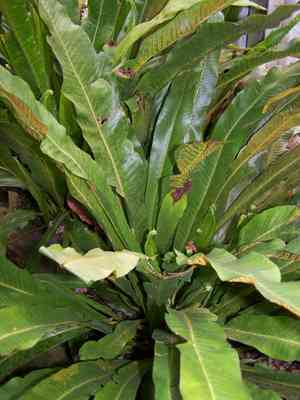
Long strap fern (Campyloneurum phyllitidis)
Also known as: Cabbage Palm Fern
The long strap fern (Campyloneurum phyllitidis) originates from the warm, humid regions of the Americas. Recognized for its elongated, glossy, strap-like leaves, this fern is a favored ornamental plant, admired for its distinctive look since the Victorian times.
In This Article
Attributes of Long strap fern
Lifespan
Perennial
Plant Type
Herb
Plant Height
61 cm
Spread
60 cm
Leaf Color
Green
Flower Size
5 mm
Flower Color
N/A
Images of Long strap fern
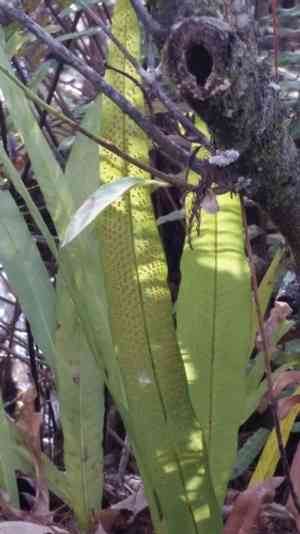
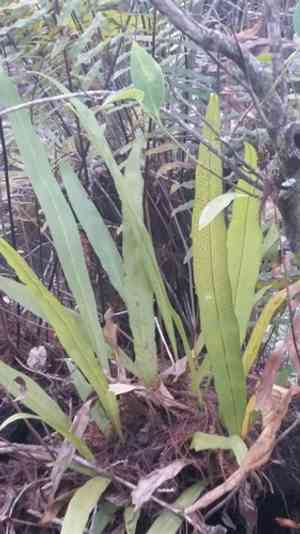
Quickly Identify Long strap fern
1
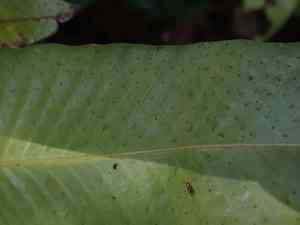
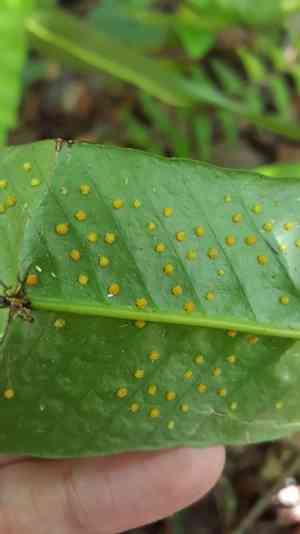
The cabbage palm fern can be identified by its elongated, strap-shaped fronds that are leathery in texture. The fronds are simple and undivided, typically ranging from light to dark green in color, and have a prominent central vein.
Scientific Classification of Long strap fern
Phylum
Vascular plants
Class
Ferns
Order
Polypodiales
Family
Polypody
Genus
Strapfern
Species
Long strap fern
Planting and Growing of Long strap fern
Care Difficulty
Easy
Watering Schedule
Every 2 days
Sunlight Requirements
Partial sun
Sunshine Duration
4-8 hours
Ideal Temperature
65-80℉
Soil Type
Potting Mix, Peat Mix
Soil pH
6.5-7.5
Fertilizer Type
Balanced
Pruning Season
Spring, Summer
Pruning Area
Branches, Leaves
Pruning Frequency
2 times a year
Repotting Season
Spring
Pot Type
Plastic, Ceramic
 How to Water Long strap fern?
Campyloneurum phyllitidis prefers its soil to be moderately moist but not soggy. It’s important to maintain a balance where the upper layer of soil dries out slightly between waterings. Typically, around 200 ml of water per session will suffice to keep the soil at the proper moisture level, without risking root rot.
What are the symptoms of an underwatered Long strap fern?
›
What should I do if my Long strap fern is not getting enough water?
›
What are the symptoms of an overwatered Long strap fern?
›
How to save an overwatered Long strap fern?
›
 What Are the Sunlight Requirements for Long strap fern?
Partial sun, resembling early morning or late afternoon sunlight, is ideal. This range prevents leaf damage and supports steady growth by providing adequate energy for photosynthesis.
More About Sunlight Requirements Techniques→
Optimal Light Intensity
›
Natural Habitat Simulation
›
Seasonal Adjustments
›
 What Is the Ideal Temperature Range for Long strap fern?
For optimal growth, Campyloneurum phyllitidis thrives best in temperatures between 65°F and 80°F. This range provides the perfect balance for enzymatic activities and metabolic processes, ensuring robust growth and healthy foliage. Maintaining this temperature consistently mimics its natural habitat, allowing it to flourish.
 What Soil is Best for Long strap fern?
Campyloneurum phyllitidis thrives in well-drained soil, which allows for adequate aeration and prevents root rot by ensuring excess water is not trapped around the roots. This helps the plant's roots receive optimal oxygen and nutrients. While it prefers well-drained soil, maintaining a certain level of moisture is crucial for Campyloneurum phyllitidis. The soil should be able to hold some moisture to mimic its natural humid habitat, providing the plant with consistent hydration. A soil rich in organic matter is beneficial for Campyloneurum phyllitidis, as it enhances soil fertility and structure. The decaying organic materials supply essential nutrients to the plant, promoting lush and robust growth.
 How to Fertilize Long strap fern?
For Campyloneurum phyllitidis, it's recommended to use a balanced fertilizer diluted to half strength. These plants require minimal fertilization, as excessive nutrients can harm their growth. A diluted solution ensures the plant receives enough nutrients without being overwhelmed, promoting healthy and gradual growth.
 How to Prune Long strap fern?
Begin by identifying any faded, yellow, or otherwise discolored leaves on your Campyloneurum phyllitidis. These leaves can detract from the plant's vibrant appearance and may be a source of energy drain. Prune them carefully at their base. Carefully trim back sections where the fronds have become unusually dense or overgrown. This improves air circulation among the leaves, which can prevent fungal issues and promote healthier growth. If your plant is growing unevenly, consider shaping it by trimming longer fronds to match the overall growth pattern. This can enhance the visual symmetry and balance of your plant, keeping it aesthetically pleasing.
More About Pruning Techniques→
 How to Propagate Long strap fern plant?
1
Start by selecting a healthy parent plant. Carefully remove the plant from its pot and gently remove excess soil to expose the rhizomes.
2
Use a sharp knife to segment the rhizomes, ensuring each section has roots and shoots. Plant these sections into prepared pots with a suitable, well-draining potting mix.
3
Select healthy tissue from the plant, sterilize it, and place it into a sterile medium to grow. Maintain a sterile environment throughout the process to encourage successful growth.
 How to Repot Long strap fern plant?
1
Campyloneurum phyllitidis signals it's time for repotting when you notice roots growing out of the drainage holes or the soil dries out more quickly than usual. Another indicator is stunted or slowed growth, suggesting that the plant is root-bound and needs more room to flourish.
2
Select a pot that's one size larger than the current one with adequate drainage holes. A pot that's too large can retain excessive moisture, leading to root rot. Opt for materials like terracotta or ceramic that promote air circulation and prevent root suffocation.
3
A well-drained, organic-rich soil mix with a balance of peat, perlite, and compost is ideal. This type of soil ensures that the roots have access to the necessary nutrients while preventing water-logging, which is crucial for healthy plant growth.



