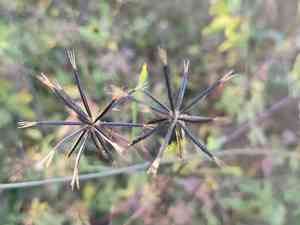
Spanish needles (Bidens bipinnata)
Also known as: Bipinnate Beggar-Ticks, Spanish Needles Beggar-Ticks, Spanish blackjack, Cuckolds
The dandelion (Taraxacum officinale) is a widely recognized flowering plant closely related to daisies. Native to Europe and Asia, dandelions have spread globally and thrive in various environmental conditions. Known for their resilience, dandelions can easily adapt to different habitats and are commonly found in lawns, gardens, and along roadsides.
In This Article
Attributes of Spanish needles
Lifespan
Annual, Perennial
Plant Type
Herb
Plant Height
1.5 m
Spread
60 cm
Leaf Color
Green
Flower Size
6 mm to 1 cm
Flower Color
Yellow White
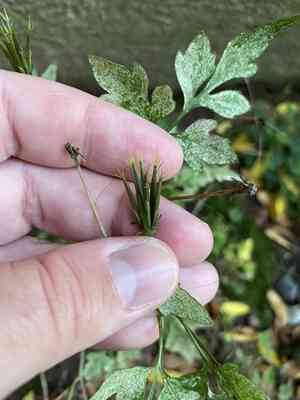
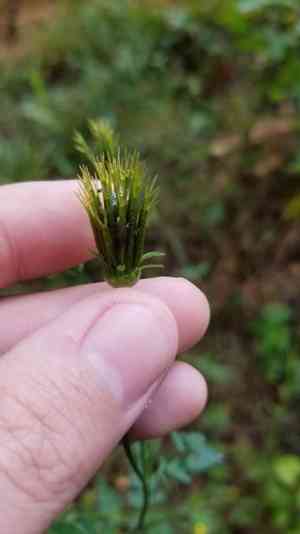
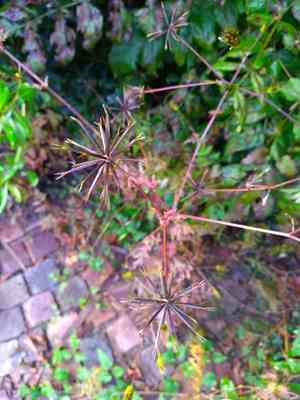
Images of Spanish needles
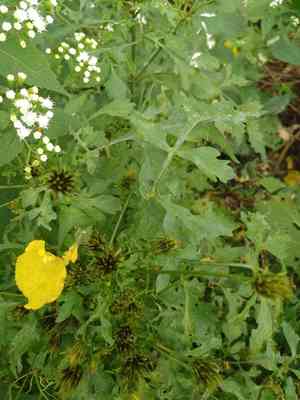
Quickly Identify Spanish needles
1
Recognizable by its bipinnate leaves and small yellow flowers that turn into barbed seed heads capable of clinging to clothing and fur.
Scientific Classification of Spanish needles
Phylum
Vascular plants
Class
Dicotyledons
Order
Asterales
Family
Daisy
Genus
Beggarticks
Species
Spanish needles
Planting and Growing of Spanish needles
Care Difficulty
Easy
Watering Schedule
Every 4 days
Sunlight Requirements
Full sun
Sunshine Duration
4-8 hours
Ideal Temperature
70-85℉
Soil Type
Potting Mix, Peat Mix
Soil pH
6.5-7.5
Fertilizer Type
Balanced
Pruning Season
Spring, Summer
Pruning Area
Branches, Leaves
Pruning Frequency
2 times a year
Repotting Season
Spring
Pot Type
Plastic, Ceramic
 How to Water Spanish needles?
When watering Bidens bipinnata, ensure the soil is moistened but not waterlogged. Aim to give the plant approximately 250 ml of water per session. This amount should suffice to reach the deeper roots without causing root rot. It's crucial to check that the top inch of the soil is dry before the next watering session.
What are the symptoms of an underwatered Spanish needles?
›
What should I do if my Spanish needles is not getting enough water?
›
What are the symptoms of an overwatered Spanish needles?
›
How to save an overwatered Spanish needles?
›
 What Are the Sunlight Requirements for Spanish needles?
Bidens bipinnata thrives in environments offering 'Partial sun, Full sun'. This range ensures optimal photosynthesis, maximizing growth and flowering without the risks associated with heat stress.
How does Bidens bipinnata thrive best?
›
What solutions help achieve the ideal light conditions?
›
What are the benefits of optimal light for Bidens bipinnata?
›
 What Is the Ideal Temperature Range for Spanish needles?
The ideal temperature range for Bidens bipinnata cultivation is between 70°F and 85°F. This range ensures optimal growth and allows the plant to thrive without experiencing temperature stress.
 What Soil is Best for Spanish needles?
Bidens bipinnata thrives in well-draining soil to prevent root rot. This characteristic ensures that water doesn't stagnate around the roots, promoting healthy growth. This plant prefers moderately fertile soil, which provides the necessary nutrients without being too rich, thereby supporting its modest nutrient needs effectively. Consistent moisture in the soil is beneficial for Bidens bipinnata, helping it absorb nutrients efficiently and maintain lush growth throughout its lifecycle.
 How to Fertilize Spanish needles?
For Bidens bipinnata, it is ideal to apply a balanced liquid fertilizer at a dilution of 1:4 (fertilizer:water) when watering twice a month. This ensures the plant receives nutrients without overwhelming its delicate tissue structure. For solid fertilizers, distribute a light layer of granular, slow-release fertilizer twice a year, integrating it well with the topsoil to support sustained growth.
 How to Prune Spanish needles?
Frequent inspections for dead or damaged stems can help maintain the plant’s health. Regular checks enable timely intervention, preventing potential spread of disease and ensuring the plant remains robust. Make clean cuts at a 45-degree angle about 1/4 inch above a node facing outward. This technique encourages outward growth and prevents water from settling on the cut, reducing the chance of rot or disease. After pruning, gather all debris and dispose of it away from the garden area. This practice prevents any potential spread of diseases from removed plant material back to healthy plants.
 How to Propagate Spanish needles plant?
1
Fill your seed tray with potting soil. Ensure it is well-aerated and moist but not overly wet. Tamp down lightly to create a level surface for sowing.
2
Evenly distribute the Bidens bipinnata seeds on the soil surface. Lightly cover them with a thin layer of soil or vermiculite, as they require light to germinate.
3
Gently water the seeds using a fine mister to avoid disturbing them. Maintain consistent moisture without making the soil soggy, as this is critical for germination success.
 How to Repot Spanish needles plant?
1
Repotting Bidens bipinnata is best when you observe stunted growth, roots protruding from the drainage holes, or depleted soil quality. These are clear signals that the plant needs more space and nutrients. Opt for repotting during early spring or summer to allow the plant ample time to adjust and thrive.
2
Selecting the right pot for Bidens bipinnata is crucial. Choose a pot that is about 2 inches larger in diameter than the current one. This ensures ample space for root growth and prevents root-bound conditions. Ensure the pot has sufficient drainage holes to prevent overwatering and root rot, promoting healthy root development.
3
Choose a well-draining and nutrient-rich soil mix for Bidens bipinnata. This type of soil prevents waterlogging, which can lead to root rot. The nutrient content supports healthy growth and vibrant foliage. Adding perlite or sand can enhance drainage capabilities, allowing roots to breathe and grow soundly.
Learn More About Spanish needles Diseases
Anthracnose
Bacterial Leaf Spot
Bacterial Soft Rot
Bacterial Wilt
Chemical Injury
Damping-off
Downy Mildew
Drought Stress
Fusarium Wilt
Gray Mold
Leaf Spot
Mosaic
Nutrient Deficiency
Nutrient Toxicity
Powdery Mildew
Root Rot
Root-knot Nematode
Rusts
Sooty Mold
Spider Mites
Temperature Stress
Thrips Damage
White Mold



