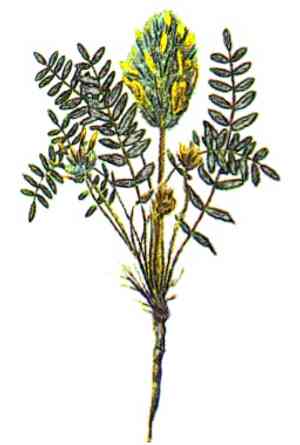
Russian milkvetch (Astragalus falcatus)
Also known as: Russian-sickle
Russian milkvetch (Astragalus adsurgens) is notable for its pinnate leaves composed of fine leaflets and its clusters of small, purple or pinkish flowers. This perennial herb typically grows to a height of 30-70 cm and produces seedpods that are a hallmark of the legume family. It prefers habitats such as grasslands, open woodlands, and steppes, thriving particularly in well-drained, dry soils. The plant forms dense clumps and is well-adapted to temperate regions, contributing to soil fertility through nitrogen fixation while attracting various pollinators.
In This Article
Attributes of Russian milkvetch
Lifespan
Perennial
Plant Type
Herb
Plant Height
20-50 cm
Spread
N/A
Leaf Color
Green
Flower Size
1-1.5 cm
Flower Color
Yellow, Cream
Images of Russian milkvetch
Quickly Identify Russian milkvetch
1
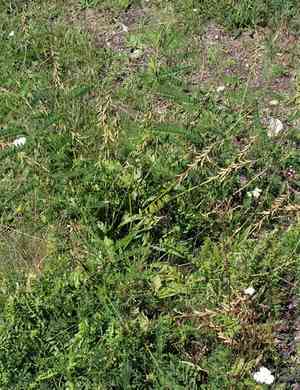
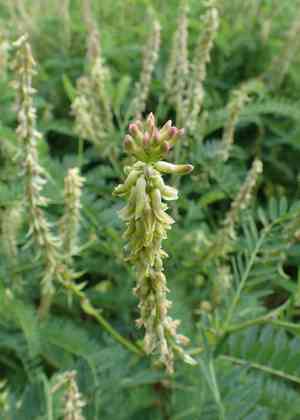
Astragalus falcatus can be identified by its pinnate leaves with numerous small leaflets, yellow to creamy flowers arranged in dense racemes, and curved, pod-like fruits. The plant often grows in dry, rocky soils and can be recognized by its bushy habit and long stems.
Scientific Classification of Russian milkvetch
Phylum
Vascular plants
Class
Dicotyledons
Order
Fabales
Family
Legume
Genus
Milkvetch
Species
Russian milkvetch
Planting and Growing of Russian milkvetch
Care Difficulty
Moderate
Watering Schedule
Every day
Sunlight Requirements
Full sun
Sunshine Duration
6-12 hours
Ideal Temperature
60-75℉
Soil Type
Potting Mix, Peat Mix
Soil pH
6.5-7.5
Fertilizer Type
Balanced
Pruning Season
Spring, Summer
Pruning Area
Branches, Leaves
Pruning Frequency
2 times a year
Repotting Season
Spring
Pot Type
Terracotta, Plastic
 How to Water Russian milkvetch?
Astragalus falcatus requires moderate watering. The watering should be thorough enough to moisten the entire root system, ensuring that water reaches the base of the pot without causing excessive pooling. Draining is crucial to prevent waterlogging.
What are the symptoms of an underwatered Russian milkvetch?
›
What should I do if my Russian milkvetch is not getting enough water?
›
What are the symptoms of an overwatered Russian milkvetch?
›
How to save an overwatered Russian milkvetch?
›
 What Are the Sunlight Requirements for Russian milkvetch?
This plant thrives in full sun exposure, ideally for 6 to 8 hours a day, ensuring robust growth and vibrant foliage by maximizing photosynthesis and nutrient absorption.
Where should I place Astragalus falcatus?
›
How do I manage lighting during seasonal changes?
›
What is the best setup for maximizing sunlight?
›
 What Is the Ideal Temperature Range for Russian milkvetch?
The ideal temperature range for Astragalus falcatus lies between 60°F and 75°F. In such conditions, the plant can thrive and exhibit healthy growth. Temperature outside this range can stress the plant, possibly slowing its growth or leading to other physiological issues if prolonged.
 What Soil is Best for Russian milkvetch?
Astragalus falcatus thrives in well-draining soil to prevent waterlogging, which can lead to root rot. It's crucial for the soil to allow excess water to flow away easily. This plant requires nutrient-rich soil to support its growth. Ensuring the soil contains organic matter boosts plant health, leading to lush foliage and vibrant blooms. Incorporating sand into the soil mix improves aeration, promoting healthy root development. This plays a crucial role in the plant's ability to absorb nutrients effectively.
 How to Fertilize Russian milkvetch?
Astragalus falcatus, with its preference for well-drained soil, requires a moderate amount of fertilizer. For liquid fertilizer, dilute it to half-strength recommended on the package. For slow-release or solid fertilizers, about 200 grams per plant annually should suffice. This amount ensures that the plant receives enough nutrients without overwhelming its sensitive root system.
 How to Prune Russian milkvetch?
Start by locating any dead or damaged branches on your Astragalus falcatus. Removing these will direct the plant’s energy toward healthier growth and prevent disease spread. Trim around the edges to maintain a compact and aesthetically pleasing shape. Focus on keeping a balanced form to enhance the natural structure of the plant. To encourage new growth, cut back some of the old stems, especially those that look less vigorous. This stimulates the plant to produce fresh, vibrant shoots.
More About Pruning Techniques→
 How to Propagate Russian milkvetch plant?
1
Collect mature seeds from the dried pods of Astragalus falcatus carefully. Ensure that the seeds are fully ripe for optimal germination.
2
Select healthy, disease-free stems and take cuttings using sterilized tools. Aim for a length of about 10-15 cm, with a few leaves at the top.
3
Divide mature plants with a clean, sharp tool, ensuring each division has a good amount of roots attached. This encourages healthy regrowth in new locations.
 How to Repot Russian milkvetch plant?
1
Look for signs such as roots emerging from drainage holes, slow growth, or a top-heavy appearance. These indicate it's time for a larger pot or fresh soil. Spring and autumn are ideal as they minimize transplant shock.
2
Select a pot that is 1-2 inches larger in diameter than the current one, with adequate drainage holes. This ensures space for root expansion while preventing waterlogged conditions, promoting healthier plant growth.
3
Opt for a well-draining sandy loam mix to replicate the plant's natural habitat, facilitating proper water drainage and aeration. This prevents root rot and provides a stable growth medium.
Learn More About Russian milkvetch Diseases
Anthracnose
Bacterial Leaf Spot
Bacterial Wilt
Cyst Nematode
Damping-off
Downy Mildew
Drought Stress
Fusarium Wilt
Gray Mold
Leaf Spot
Mosaic
Nutrient Deficiency
Nutrient Toxicity
Powdery Mildew
Root Rot
Root-knot Nematode
Rusts
Sooty Mold
Spider Mites
Temperature Stress
Thrips Damage
White Mold
Chemical Injury



