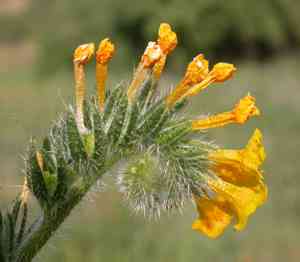
Menzies fiddleneck (Amsinckia menziesii)
Also known as: Rancher's fiddleneck, Smallflower Fiddleneck, Harvest fiddleneck
Menzies' fiddleneck (Amsinckia menziesii) is an annual herb reaching up to 1.2 meters in height. Its distinctive flower stem curls at the top, resembling a fiddlehead. As it decomposes, it enriches the soil naturally. This wildflower is known to draw butterflies, bees, and birds.
Attributes of Menzies fiddleneck
Images of Menzies fiddleneck
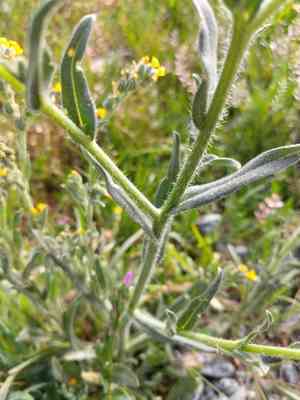
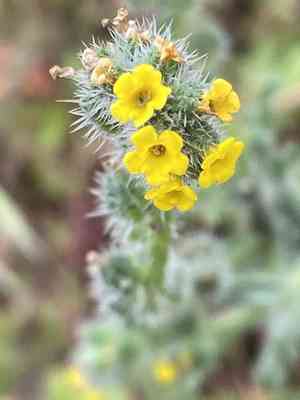
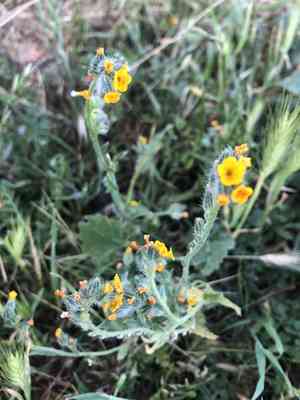
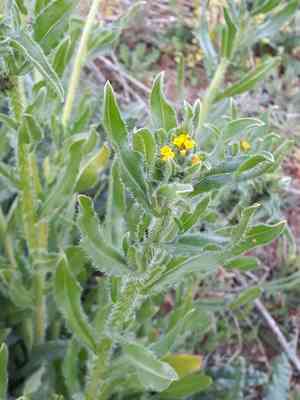
Quickly Identify Menzies fiddleneck
Scientific Classification of Menzies fiddleneck
Planting and Growing of Menzies fiddleneck
 How to Water Menzies fiddleneck?
 What Are the Sunlight Requirements for Menzies fiddleneck?
 What Is the Ideal Temperature Range for Menzies fiddleneck?
 What Soil is Best for Menzies fiddleneck?
 How to Fertilize Menzies fiddleneck?
 How to Prune Menzies fiddleneck?
 How to Propagate Menzies fiddleneck plant?
 How to Repot Menzies fiddleneck plant?
Toxicity of Menzies fiddleneck
Is Menzies fiddleneck toxic to humans?
Menzies fiddleneck exhibits a moderate degree of toxicity and has the potential to instigate allergic reactions in humans. The entire plant is poisonous, and exposure can result from both touch and ingestion. Contact with the plant may lead to skin reactions, while consuming it, especially in significant amounts, can trigger more serious effects due to the presence of pyrrolizidine alkaloids. These harmful compounds can cause liver damage, which may present as jaundice, abdominal pain, and ascites. Additionally, neurological symptoms such as ataxia and lethargy are possible, along with gastrointestinal issues like nausea, vomiting, and diarrhea. The danger of poisoning from Menzies fiddleneck highlights the need for vigilance to avoid unintentional ingestion and skin exposure.
Is Menzies fiddleneck toxic to cat?
Menzies fiddleneck is recognized for having moderate toxicity levels in feline species. Cats may suffer from poisoning due to contact with the plant's surface or through unintentional ingestion. The entire plant possesses toxic properties, as it contains pyrrolizidine alkaloids that can lead to physical discomfort and illness when a cat comes into contact with or ingests it. In cases of poisoning, affected cats may display a variety of symptoms that suggest possible liver damage or other internal health concerns. It is essential for cat owners to vigilantly observe their pets for any signs of distress and to obtain immediate veterinary assistance to guarantee proper treatment and to reduce the risk of severe health complications.
Is Menzies fiddleneck toxic to dog?
Menzies fiddleneck is recognized for having a moderate toxicity level in dogs. This plant can pose risks through several avenues, including direct skin contact or inadvertent ingestion. If a dog comes into contact with or consumes any part of the menzies fiddleneck, which is entirely toxic, it could face poisoning hazards. The toxicity is attributed to the pyrrolizidine alkaloids contained within the plant, known to trigger various health complications in dogs. Poisoning symptoms may encompass but are not confined to liver damage, neurological issues, and gastrointestinal disturbances. Therefore, it is essential for dog owners to remain alert and mitigate their pets' exposure to areas where menzies fiddleneck is present. Should a dog show signs of poisoning after encountering menzies fiddleneck, it is crucial to promptly seek veterinary assistance to secure the best possible prognosis for the affected pet.


