The Hidden Danger in Your Home? Unmasking the Toxicity of the Menzies fiddleneck Plant.
1
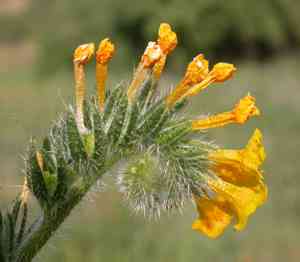
Menzies fiddleneck is extremely poisonous and can induce significant harm via both contact and consumption.
2
The pyrrolizidine alkaloids present in menzies fiddleneck are capable of causing hepatic injury, neurological manifestations, and digestive system upset.
3
Felines and canines are susceptible to the harmful effects of menzies fiddleneck, potentially leading to severe health complications upon exposure.
Is Menzies fiddleneck toxic to humans?
Menzies fiddleneck exhibits moderate toxicity and can trigger allergic responses in people. The whole plant is poisonous, and harm can result from both touch and consumption. Skin contact with the plant might cause dermatological reactions, while eating it, especially in large amounts, can lead to more serious symptoms due to pyrrolizidine alkaloids. These harmful compounds can damage the liver, showing up as jaundice, stomach pain, and fluid buildup. Brain-related issues like poor coordination and sluggishness may also appear, along with digestive upset, including sickness, throwing up, and loose stools. The danger of menzies fiddleneck poisoning highlights the need for care to avoid accidental eating and skin exposure.
Is Menzies fiddleneck toxic to cat?
Menzies fiddleneck is rated as moderately harmful to felines. Cats can get sick from menzies fiddleneck via skin exposure or accidental eating. The whole plant is poisonous, containing pyrrolizidine alkaloids that can cause physical discomfort and illness if a cat is exposed. If poisoned, cats might show various signs suggesting possible liver damage or other internal problems. It's vital for cat owners to watch their pets for any signs of trouble and to get immediate vet help to ensure proper treatment and lessen the chance of serious health issues.
Is Menzies fiddleneck toxic to dog?
Menzies fiddleneck is thought to have a moderate toxicity level for canines. Exposure to this plant can happen in different ways, such as direct contact or accidental eating. When a dog touches or consumes any part of menzies fiddleneck, since the entire plant is toxic, they might be at risk of poisoning. The pyrrolizidine alkaloids in menzies fiddleneck are known to cause health problems in dogs. Signs of poisoning can include, but are not limited to, liver damage, nervous system issues, and digestive problems. It's essential for dog owners to be watchful and stop their pets from getting into areas where menzies fiddleneck grows. If a dog shows signs of poisoning after being exposed to menzies fiddleneck, it's crucial to get immediate veterinary care to ensure the best possible outcome for the affected animal.


