
New zealand bur (Acaena anserinifolia)
Also known as: Pirri-pirri bur, Bronze piri-piri-bur, Bidgee-widgee
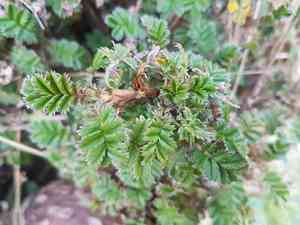
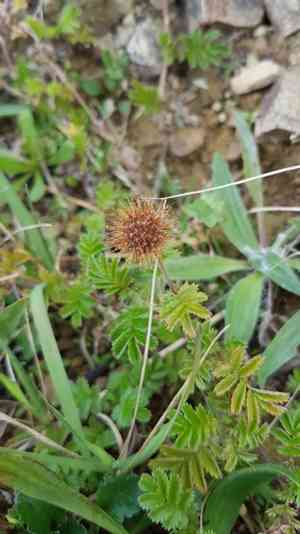
The New Zealand bur is a low-growing perennial herb noted for its delicate, feather-like leaves, which resemble the plumage of a waterfowl. This ground-covering plant flourishes in open, rocky environments and adapts well to nutrient-poor soils. It typically has reddish stems. During its blooming period, the New Zealand bur produces small, inconspicuous flowers, which are followed by distinctive, spiky seed heads that latch onto animals for seed dispersal.
In This Article
Attributes of New zealand bur
Lifespan
Perennial
Plant Type
Herb
Plant Height
10-20 cm
Spread
30-50 cm
Leaf Color
Silvery-grey
Flower Size
0.5-1 cm
Flower Color
White or light green
Images of New zealand bur
Quickly Identify New zealand bur
1
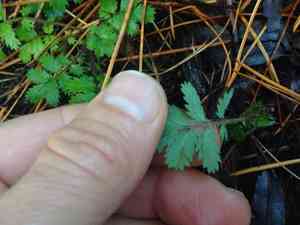
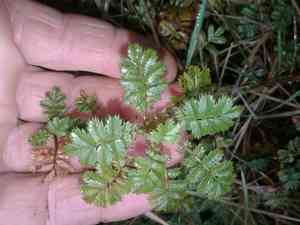
Acaena anserinifolia can be identified by its silvery-grey, pinnate leaves which resemble goosefoot. The leaves are hairy and have a soft texture. The plant produces small, burr-like fruit that can stick to clothing or fur.
Scientific Classification of New zealand bur
Phylum
Vascular plants
Class
Dicotyledons
Order
Rosales
Family
Rose
Genus
Acaena
Species
New zealand bur
Planting and Growing of New zealand bur
Care Difficulty
Moderate
Watering Schedule
Every 3 days
Sunlight Requirements
Full sun
Sunshine Duration
4-8 hours
Ideal Temperature
60-75℉
Soil Type
Potting Mix, Peat Mix
Soil pH
6.5-7.5
Fertilizer Type
Balanced
Pruning Season
Spring, Summer
Pruning Area
Branches, Leaves
Pruning Frequency
2 times a year
Repotting Season
Spring
Pot Type
Plastic, Ceramic
 How to Water New zealand bur?
For Acaena anserinifolia, it's essential to strike the right balance with watering. This plant requires around 250ml of water per session, ensuring that the soil is damp but not waterlogged. A good rule of thumb is to water deeply until you notice moisture emerging from the pot’s drainage holes. This indicates that the roots have received sufficient hydration without causing water to pool at the bottom.
What are the symptoms of an underwatered New zealand bur?
›
What should I do if my New zealand bur is not getting enough water?
›
What are the symptoms of an overwatered New zealand bur?
›
How to save an overwatered New zealand bur?
›
 What Are the Sunlight Requirements for New zealand bur?
Preferred in full sun to partial sun areas, Acaena anserinifolia benefits greatly from these conditions as they enhance its growth and foliage vibrancy, essential for ornamental display.
How much sun does Acaena anserinifolia need?
›
What happens if it doesn't get enough light?
›
What are the best practices to provide ideal lighting?
›
 What Is the Ideal Temperature Range for New zealand bur?
For optimal growth of Acaena anserinifolia, the ideal temperature range is between 60°F and 75°F. This range provides the conditions necessary for robust growth and flowering, allowing the plant to thrive with minimal stress from environmental extremes. A consistent environment within this range helps ensure nutrient uptake and photosynthesis proceed efficiently.
 What Soil is Best for New zealand bur?
Acaena anserinifolia thrives in well-drained soil. This helps to prevent root rot and allows for proper moisture balance, essential for healthy growth. This plant prefers nutrient-rich soil, which provides essential minerals and nutrients, ensuring robust growth and vibrant foliage. Though well-drained, the soil should retain some moisture to support Acaena anserinifolia during dry spells, contributing to consistent growth.
 How to Fertilize New zealand bur?
Acaena anserinifolia requires a moderate approach to fertilization. For liquid fertilizer, apply it at the recommended concentration to cover all plants thoroughly without causing runoff. Solid fertilizers should be applied lightly, ensuring not to exceed 50 grams per square meter, as over-fertilization can harm root systems.
 How to Prune New zealand bur?
Start by removing any dead or diseased branches. These should be cut back to a healthy part of the plant. This not only improves appearance but also reduces the risk of disease spread. A clean cut encourages new growth in that area. Next, focus on shaping the plant by trimming any overgrown or unruly stems. Aim to create a balanced shape that is pleasing to the eye. Make sure you step back occasionally to assess the shape and growth direction, ensuring a symmetrical appearance. To promote thicker foliage, trim back stems just above a leaf node. This will encourage branching and fuller growth. Regular trimming will help keep the plant looking lush and dense, which is particularly desirable in ornamental settings.
More About Pruning Techniques→
 How to Propagate New zealand bur plant?
1
Gather seeds from a mature Acaena anserinifolia plant. Ensure the seeds are completely dry before storing or planting. This step is crucial as seeds collected too early may not germinate.
2
Select a healthy stem from the parent plant and take a cutting of about 10 cm. Remove lower leaves, leaving only a few on top. This reduces water loss and encourages quicker rooting.
3
Divide mature plants by carefully separating the roots. Each division should have a healthy portion of roots and shoots. Plant these divisions immediately in fresh soil to ensure they establish well.
 How to Repot New zealand bur plant?
1
Repot when the roots start circling inside the pot or peeking out from drainage holes. Ideally, this is done in early Spring or during Summer when the plant enters its growing phase. Fresh soil after repotting invigorates the plant, promoting healthy growth.
2
Select a container one or two sizes larger with good drainage. Ceramic pots are ideal for their weight and preventing tipping. A slightly larger size provides room for root development but isn't excessive to avoid water retention, which could lead to root rot.
3
Opt for a well-draining mix like loamy soil, combined with some perlite or sand to enhance aeration and drainage. This type of soil prevents waterlogging while ensuring enough moisture is available for root uptake, promoting robust plant health.
Learn More About New zealand bur Diseases
Anthracnose
Bacterial Leaf Spot
Bacterial Soft Rot
Crown Gall
Cyst Nematode
Damping-off
Downy Mildew
Drought Stress
Fusarium Wilt
Gray Mold
Leaf Curl
Leaf Spot
Mosaic
Nutrient Deficiency
Nutrient Toxicity
Powdery Mildew
Root Rot
Root-knot Nematode
Rusts
Sooty Mold
Spider Mites
Temperature Stress
Thrips Damage
White Mold
Chemical Injury



