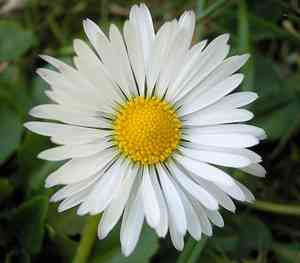
Rayless alkali aster (Symphyotrichum ciliatum)
Also known as: Fringed Blue Aster, Fringed Aster
The Rayless alkali aster is a small perennial herb known for its tiny, petal-less cream or pinkish-white flowers. It thrives in saline or alkaline settings, such as salt flats, brackish temperate meadows, and areas with poor drainage. Additionally, it can be found along the edges of salted roadways.
In This Article
Attributes of Rayless alkali aster
Lifespan
Annual
Plant Type
Herb
Plant Height
15 cm to 61 cm
Spread
Not typically noted for crown diameter
Leaf Color
Green
Flower Size
2-3 cm
Flower Color
White Yellow
Images of Rayless alkali aster
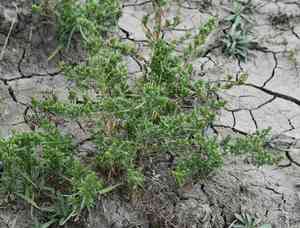
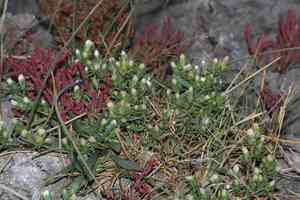
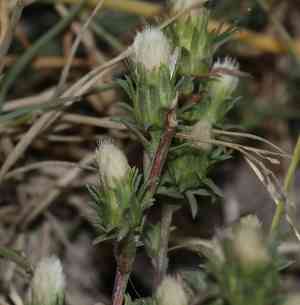
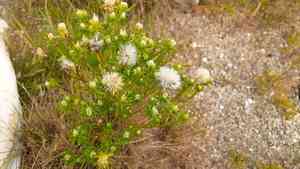
Quickly Identify Rayless alkali aster
1
The plant can be identified by its narrow, lance-shaped leaves that have fringed or ciliated margins. The flowers are typically blue to lavender with yellow centers.
Scientific Classification of Rayless alkali aster
Phylum
Vascular plants
Class
Dicotyledons
Order
Asterales
Family
Daisy
Genus
Asters
Species
Rayless alkali aster
Planting and Growing of Rayless alkali aster
Care Difficulty
Easy
Watering Schedule
Every 2 days
Sunlight Requirements
Full sun
Sunshine Duration
6-10 hours
Ideal Temperature
60-75℉
Soil Type
Potting Mix, Peat Mix
Soil pH
6-7.5
Fertilizer Type
Balanced
Pruning Season
Spring, Summer
Pruning Area
Branches, Leaves
Pruning Frequency
2 times a year
Repotting Season
Spring
Pot Type
Plastic, Ceramic
 How to Water Rayless alkali aster?
For Symphyotrichum ciliatum, water thoroughly until the soil is saturated, allowing excess water to drain. Ensure the soil is evenly moist without becoming waterlogged, ideally using around 500 ml of water per watering.
What are the symptoms of an underwatered Rayless alkali aster?
›
What should I do if my Rayless alkali aster is not getting enough water?
›
What are the symptoms of an overwatered Rayless alkali aster?
›
How to save an overwatered Rayless alkali aster?
›
 What Are the Sunlight Requirements for Rayless alkali aster?
Symphyotrichum ciliatum thrives with a light range of full sun to partial sun. Ideal light encourages vibrant bloom production and promotes lush, healthy foliage, vital for its aesthetic and ecological value.
More About Sunlight Requirements Techniques→
What is the ideal light level for Symphyotrichum ciliatum?
›
How to ensure Symphyotrichum ciliatum receives ideal lighting?
›
What are the benefits of providing ideal lighting for Symphyotrichum ciliatum?
›
 What Is the Ideal Temperature Range for Rayless alkali aster?
The ideal temperature range for growing Symphyotrichum ciliatum is between 60°F and 75°F. This range allows the plant to thrive, ensuring optimal growth and flowering. Maintaining consistent temperatures within this range helps support the plant's metabolic processes and prevents stress.
 What Soil is Best for Rayless alkali aster?
Symphyotrichum ciliatum thrives in well-draining soil. This helps prevent root rot and ensures that the roots receive adequate oxygen. Providing such soil conditions is vital for maintaining healthy growth and vibrant blooms. This plant prefers soils with moderate nutrient content. Highly fertile soil can lead to excessive foliage at the expense of flowers. Therefore, a balanced approach to soil fertility supports its flowering potential. While needing well-draining properties, the soil should also retain some moisture. This balance ensures the plant does not dry out too quickly, supporting overall plant vigor and continuous blooming.
 How to Fertilize Rayless alkali aster?
For Symphyotrichum ciliatum, it's ideal to use a balanced liquid fertilizer, typically labeled as NPK 10-10-10, mixed at half the recommended strength. Apply 100-150 ml per plant to prevent over-fertilization, especially during its growing season.
 How to Prune Rayless alkali aster?
Begin by inspecting the plant for any dead, damaged, or crossing branches. Cut these back to their point of origin on the stem to maintain a tidy and healthy plant structure. Trim back any long or leggy stems to encourage fuller growth. Aim for a shape that allows light to reach all parts of the plant, promoting even development and abundant flowering.
More About Pruning Techniques→
 How to Propagate Rayless alkali aster plant?
1
Harvest seeds from mature plants in the late autumn or early winter. Allow the seed heads to dry on the plant, then shake them gently into a paper bag. Store collected seeds in a cool, dry place until ready to plant.
2
Prepare a seed-starting mix or use a well-draining potting soil. Make sure the soil is moist but not waterlogged. If dividing, amend existing garden soil with organic matter to improve drainage and nutrient content.
3
Sow seeds on the surface of the soil and lightly cover them with a thin layer of soil or vermiculite. For division, plant divided sections at the same depth they were previously growing and water well. Place in a location with indirect sunlight.
 How to Repot Rayless alkali aster plant?
1
Signs that Symphyotrichum ciliatum needs repotting include roots growing out of drainage holes, slowed growth despite optimal conditions, or the plant becoming top-heavy and unstable. Spring is ideal as the plant is about to enter its growth phase.
2
Select a pot that is 1-2 inches larger in diameter than the current one. This prevents overwatering by not providing excessive space for root growth, helping maintain moisture balance. Opting for material like terracotta can enhance breathability.
3
Use a light, well-draining soil mix composed of peat, coarse sand, and perlite. This combination ensures optimal aeration and drainage to prevent root rot, essential for the health of Symphyotrichum ciliatum.
Learn More About Rayless alkali aster Diseases
Anthracnose
Bacterial Leaf Spot
Bacterial Wilt
Cyst Nematode
Damping-off
Downy Mildew
Drought Stress
Fusarium Wilt
Gray Mold
Leaf Spot
Mosaic
Nutrient Deficiency
Nutrient Toxicity
Powdery Mildew
Root Rot
Root-knot Nematode
Rusts
Sooty Mold
Spider Mites
Temperature Stress
Thrips Damage
White Mold
Chemical Injury



