How to Transplant Rayless alkali aster?
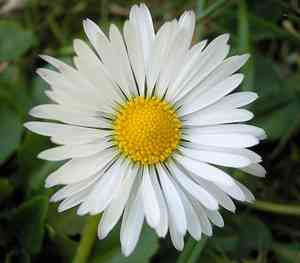
For rayless alkali aster, transplanting is most effective as winter's cold recedes but prior to summer's full intensity. Choose a bright location with soil that drains efficiently. Careful handling is crucial to safeguard its fragile root system during the move.
What Preparations are Needed Before Transplanting Rayless Alkali Aster?
What is the Ideal Time for Transplanting Rayless Alkali Aster?
Relocate rayless alkali aster between mid-March and late May, leveraging prime growing conditions. This period benefits from cooler, damp soil, promoting root development for strong summer growth.
How Much Space Should You Leave Between Rayless Alkali Aster Plants?
When preparing to re-home your rayless alkali aster, ensure ample room for each plant to thrive. Target a comfortable spacing of about 18-24 inches (45-60 cm) between them. This breathing room is essential for your rayless alkali aster's success!
What is the Best Soil Mix for Rayless Alkali Aster Transplanting?
Your rayless alkali aster will flourish in well-draining soil rich in organic material. Prior to transplanting, incorporate a balanced, slow-release fertilizer to provide rayless alkali aster with a nutritional head start. This will encourage vigorous initial growth!
Where Should You Relocate Your Rayless Alkali Aster?
Select a sunny location for your rayless alkali aster as it thrives in full sun. A spot receiving several hours of direct sunlight will be perfect for these plants to absorb the rays and display their full splendor!
What Equipments Should You Prepare Before Transplantation Rayless Alkali Aster?
Gardening Gloves
To safeguard your hands while handling soil and plants.
Hand Trowel
For excavating small holes and moving earth.
Watering Can
To irrigate the plant post-transplant.
Garden Spade or Shovel
To carefully extract the plant if removing from the ground.
Pruning Shears
To trim any damaged roots or foliage as needed.
Wheelbarrow or Plant Dolly
To move the plant and soil without strain.
Ruler or Measuring Tape
To ensure correct spacing between new planting sites.
How Do You Remove Rayless Alkali Aster from the Soil?
How Do You Remove Rayless Alkali Aster from the Soil?
From Ground: Start by moistening the rayless alkali aster plant to facilitate its removal. Carefully dig around the plant with a shovel or spade to create a boundary. Gradually deepen the excavation, maintaining a safe distance from the root ball to prevent harm. Once you've reached beneath the root ball, gently lift the plant out.From Pot: Water the rayless alkali aster plant, then invert the pot and tap its sides to loosen the soil. Gently pull the plant from its base, supporting the root ball as it emerges. If the plant is stuck, use a hand trowel to separate the soil from the pot.From Seedling Tray: Dampen the soil surrounding the seedlings. Use a spoon or dibber to carefully lift each seedling from the tray, supporting its roots and soil with your fingers. Handle the seedlings with care to avoid injury.
Step-by-Step Guide for Transplanting Rayless Alkali Aster
Acclimatization
Gradually introduce your rayless alkali aster to outdoor conditions if it originated indoors. Begin by placing it outside for a few hours daily, progressively extending the duration over a week.
Hole Preparation
Excavate a hole using a hand trowel that is twice as wide and as deep as the root ball to allow roots ample room to spread.
Root Untangling
Examine the root ball, and if roots are tightly packed or circling, gently separate them with your fingers to encourage outward growth.
Placement
Position your rayless alkali aster in the prepared hole, ensuring it sits at the same depth as it did in its previous container. Confirm the plant is upright and centered.
Soil Backfill
Cover the roots with soil, carefully filling in around your rayless alkali aster and gently tamping to eliminate air pockets without overly compacting the soil.
Initial Watering
Water your rayless alkali aster generously immediately after transplanting to help settle the soil and hydrate the roots.
How Do You Care For Rayless Alkali Aster After Transplanting?
Initial Support
Provide staking for your rayless alkali aster if needed, especially if it shows signs of weakness or is exposed to strong winds.
Monitoring
Inspect the plant daily for indications of stress such as wilting or discolored leaves, and adjust care as required.
Regular Watering
For the initial weeks, water your rayless alkali aster frequently to maintain consistent moisture levels, then adapt to regular watering based on weather conditions.
Pest Control
Watch for pests, and apply suitable treatments if necessary, opting for organic methods if preferred.
Mulching
Apply a layer of organic mulch around the base to help retain moisture and suppress weeds without touching the plant's stem.
Troubleshooting Common Issues with Rayless Alkali Aster Transplantation.
When is the best time to transplant rayless alkali aster?
The optimal transplanting period is during early to late spring for root establishment before summer.
How much space does rayless alkali aster need when transplanting?
Aim for adequate spacing between plants, approximately 18-24 inches (45-60 cm) apart.
What's the ideal soil for transplanting rayless alkali aster?
Preferably, well-draining soil enriched with organic matter is best suited for rayless alkali aster.
Does rayless alkali aster need a lot of sunlight after transplanting?
Yes, rayless alkali aster thrives in a location that receives full sunlight for robust growth.
What should I do if rayless alkali aster wilts after transplanting?
Ensure consistent moisture without waterlogging and shield from intense sun until it recovers.
How deep should I plant rayless alkali aster?
The root ball should be level with the soil surface, promoting healthy root spread.
Can rayless alkali aster be transplanted in pots?
Absolutely, just ensure pots offer sufficient room for growth and adequate drainage holes.
How to water rayless alkali aster after transplanting?
Water generously immediately after transplanting, then maintain moderate moisture as the plant establishes.
What if rayless alkali aster's leaves turn yellow after transplanting?
Yellow leaves can indicate overwatering. Allow the soil to dry slightly between watering sessions.
How to protect rayless alkali aster from transplant shock?
Gradually acclimate rayless alkali aster to outdoor conditions and minimize root disturbance during transplanting.



