How to Prune Rayless alkali aster?
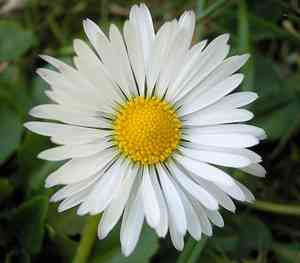
This enduring plant flourishes in challenging alkaline ground, frequently without prominent petal-like florets. For rayless alkali aster, trimming ought to concentrate on removing faded blossoms to stimulate additional blooming and sustain vitality. The most effective time for pruning spans from spring through autumn, aligning with its period of active development. Furthermore, reducing the foliage post-flowering can foster a neat growth pattern. Consistent trimming also aids in disease prevention by enhancing air movement throughout the specimen. Cultivators gain from more vigorous development and prolonged flowering durations due to meticulous pruning practices.
What Are the Benefits of Pruning Rayless Alkali Aster?
What Are the Benefits of Pruning Rayless Alkali Aster?
Trimming rayless alkali aster promotes robust development and helps maintain its desired form, leading to a healthier and more visually appealing specimen.
What Is the Best Time for Pruning Rayless Alkali Aster?
What Is the Best Time for Pruning Rayless Alkali Aster?
Pruning in late spring ensures the removal of any winter damage before rayless alkali aster begins its active growth phase, fostering healthier development. Early summer is ideal for shaping the plant or guiding growth after the initial spring surge. Autumn is suitable for cutting back dead or spent stems post-flowering, preparing rayless alkali aster for winter and stimulating vigorous growth for the next season. These periods align with rayless alkali aster's natural dormant or active cycles, ensuring pruning does not impede its growth or flowering.
What Tools Do I Need to Prune Rayless Alkali Aster?
Bypass Pruners
For precise cuts on live stems and small branches of rayless alkali aster, these pruners operate like scissors, with two curved blades that pass each other to create a clean cut. This is crucial for maintaining plant health and minimizing harm.
Garden Shears
When shaping rayless alkali aster or cutting multiple thin stems, garden shears offer a larger cutting surface and enable quick, even trimming of the plant. They are especially useful for deadheading and shaping the plant for denser growth.
Pruning Saw
For older, woody stems of rayless alkali aster that are too thick for hand pruners, a pruning saw makes clean cuts on branches exceeding 1.5 inches in diameter. The saw's teeth can manage dense wood without tearing or damaging the plant.
Pole Pruner
If rayless alkali aster is tall and reaching heights that are difficult to manage, a pole pruner allows gardeners to trim without needing to climb or use a ladder. This tool extends reach and provides leverage.
Gloves
While not a cutting tool, gloves are essential for protecting the gardener's hands from thorns, rough stems, and potential skin irritants when pruning rayless alkali aster.
How to Prune Rayless Alkali Aster
Clean and Sharpen Tools
Ensure pruning tools are clean and sharp to prevent infection and make precise cuts on rayless alkali aster.
Sanitize Tools
Before beginning, disinfect pruning tools with a solution of one part bleach to nine parts water to prevent disease spread.
Identify Withered Leaves
Carefully inspect rayless alkali aster to locate withered leaves, which are typically dry, brown, and may be curled or drooping.
Cut Withered Leaves
Using sanitized pruning shears, snip withered leaves at their base where they meet the stem, taking care not to harm nearby healthy tissue.
Discard Removed Leaves
Collect and dispose of all removed leaves away from rayless alkali aster to reduce the risk of disease and pest infestation.
Common Pruning Mistakes with Rayless Alkali Aster
Over-pruning
Removing too much growth from rayless alkali aster at once can stress the plant, leading to reduced vigor and blooming potential. Aim to remove only what's necessary.
Improper cuts
Incorrect cutting techniques can damage rayless alkali aster's stems, potentially leading to disease or infestation. Always use sharp tools and make clean cuts at the appropriate angle.
Neglect of shape
Failing to consider rayless alkali aster's natural shape when pruning may result in an unbalanced or unnatural appearance. Always prune with the plant's overall form in mind.
Discarding healthy growth
Cutting away healthy branches or foliage without reason can hinder rayless alkali aster's development. Focus on removing only dead, damaged, or diseased growth.
Ignoring plant health
Attempting to prune rayless alkali aster when it is stressed or unhealthy can exacerbate issues. Assess plant health before proceeding with pruning activities.
Common Pruning Tips for Rayless Alkali Aster
Selective thinning
Prune rayless alkali aster by selectively thinning out overcrowded areas. This encourages air circulation and light penetration, promoting healthier growth.
Maintain structure
Focus on preserving the main framework of rayless alkali aster, removing only secondary stems that compete with the primary structure.
Deadheading
Regularly remove spent flowers from rayless alkali aster to encourage further blooming and prevent the plant from wasting energy on seed production.
Renovation pruning
For older specimens of rayless alkali aster that show signs of decline, perform renovation pruning to rejuvenate the plant. Remove older stems to promote new growth.
Cut to a node
When removing stems or deadheading rayless alkali aster, always cut just above a node where a leaf meets the stem. This promotes quicker healing and new growth.



