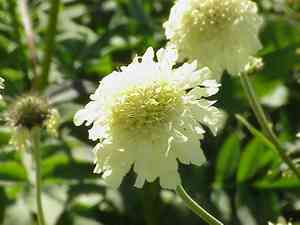
Pink snowberry (Symphoricarpos microphyllus)
Also known as: Round-leaved Snowberry, Littleleaf Snowberry
The Snowberry (Symphoricarpos spp.) is a compact, low-growing shrub distinguished by its numerous small, oval leaves that adorn its twiggy branches. It produces clusters of bell-shaped flowers, which range in color from pink to white, and these blooms eventually turn into distinctive pearly white berries in the fall. Well-suited for woodland environments, Snowberry provides excellent ground cover and serves as a valuable food source for wildlife, enhancing its role in the ecosystem.
In This Article
Attributes of Pink snowberry
Lifespan
Perennial
Plant Type
Shrub
Plant Height
1 to 2 meters
Spread
1 to 1.5 meters
Leaf Color
Green
Flower Size
0.5 to 1 centimeter
Flower Color
Pink, White
Images of Pink snowberry

Quickly Identify Pink snowberry
1
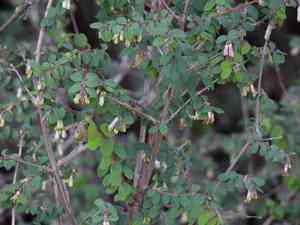
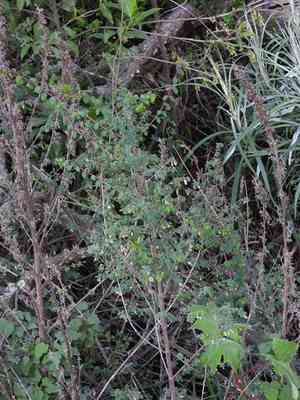
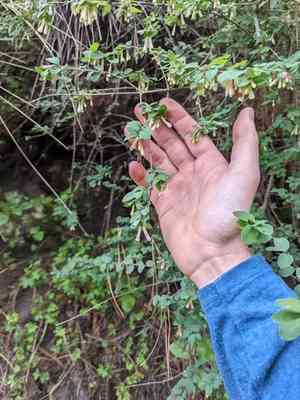
To identify Symphoricarpos microphyllus, look for a deciduous shrub with small, rounded leaves and opposite leaf arrangement. The plant produces small pink or white tubular flowers, which are followed by clusters of round, white or pink berries. The stems are usually slender and can form dense thickets.
Scientific Classification of Pink snowberry
Phylum
Vascular plants
Class
Dicotyledons
Order
Dipsacales
Family
Honeysuckle
Genus
Snowberry
Species
Pink snowberry
Planting and Growing of Pink snowberry
Care Difficulty
Easy
Watering Schedule
Every 2 days
Sunlight Requirements
Full sun
Sunshine Duration
6-8 hours
Ideal Temperature
60-75℉
Soil Type
Potting Mix, Peat Mix
Soil pH
6.5-7.5
Fertilizer Type
Balanced
Pruning Season
Spring, Summer
Pruning Area
Branches, Leaves
Pruning Frequency
2 times a year
Repotting Season
Spring
Pot Type
Plastic, Ceramic
 How to Water Pink snowberry?
Symphoricarpos microphyllus requires a balanced watering approach. Aim for around 250 milliliters per watering session. Ensure the soil is evenly moist but not waterlogged. The soil should dry out slightly between waterings, which helps in keeping the plant healthy and prevents root rot.
What are the symptoms of an underwatered Pink snowberry?
›
What should I do if my Pink snowberry is not getting enough water?
›
What are the symptoms of an overwatered Pink snowberry?
›
How to save an overwatered Pink snowberry?
›
 What Are the Sunlight Requirements for Pink snowberry?
Symphoricarpos microphyllus thrives in partial sun conditions, benefiting from an environment where it receives bright, indirect light for several hours a day, thereby enhancing its growth and vigor.
How do I ensure optimal lighting for Symphoricarpos microphyllus?
›
What are the practical measures to attain this light condition?
›
What are the benefits of providing optimal sunlight?
›
 What Is the Ideal Temperature Range for Pink snowberry?
The ideal temperature range for growing Symphoricarpos microphyllus is between 60°F and 75°F. This range ensures optimal metabolic and physiological functions of the plant, contributing to healthy growth and development. Within this temperature range, the plant can efficiently carry out photosynthesis and nutrient assimilation, ultimately leading to a robust and thriving shrub.
 What Soil is Best for Pink snowberry?
Symphoricarpos microphyllus thrives in soil that retains adequate moisture. It ensures that the plant remains adequately hydrated during dry spells, promoting lush growth. The plant prefers well-drained soil, preventing root rot that can occur with poor drainage. This characteristic keeps the root system healthy and robust. Moderately fertile soil provides the necessary nutrients for optimal growth. It prevents over-fertilization, which can harm the plant, ensuring balanced nourishment.
 How to Fertilize Pink snowberry?
When fertilizing Symphoricarpos microphyllus, it is crucial not to overdo it. Use a diluted liquid fertilizer, at half the recommended strength for other shrubs, to prevent nutrient burn. Approximately 2 tablespoons per gallon of water should suffice, applied to the soil around the base of the plant.
 How to Prune Pink snowberry?
Begin by observing the plant to identify any dead, diseased, or damaged branches. These should be the first to be removed to prevent the spread of disease and improve overall plant health. Look for areas where branches are overcrowded, as this can limit air circulation and sunlight exposure. Carefully trim these areas to promote better air flow and light penetration, which can enhance the plant's growth. After removing unhealthy branches and thinning dense spots, focus on shaping Symphoricarpos microphyllus. Trim any long or wayward branches to create a balanced, aesthetically pleasing shape that aligns with your landscaping goals.
More About Pruning Techniques→
 How to Propagate Pink snowberry plant?
1
Harvest seeds from mature Symphoricarpos microphyllus berries when they are fully ripe. Clean the seeds thoroughly to remove any pulp residue, which can inhibit germination.
2
Select healthy stems from the parent plant, ideally during late spring, and cut 4-6 inch sections. Remove any leaves from the lower half of the cuttings to reduce moisture loss.
3
Carefully dig up the plant to expose the root system. Divide the plant into several sections, ensuring each division has sufficient roots attached. Replant the divisions promptly.
 How to Repot Pink snowberry plant?
1
Look for signs such as slowed growth, roots growing out of drainage holes, or soil compacting. These signals indicate it's time to repot Symphoricarpos microphyllus, ensuring it thrives with more space and fresh nutrients.
2
Select a pot slightly larger than the current one with proper drainage holes. This allows better root expansion and helps avoid waterlogging, ensuring your plant's roots have the ideal environment to grow healthily.
3
Opt for a well-draining potting mix that retains moisture without becoming soggy. This type of soil ensures adequate aeration, aiding root health and helping Symphoricarpos microphyllus to flourish.
Toxicity
Ingestion of berries
WARNING
The judgment on toxicity and danger is for reference only. We DO NOT GUARANTEE any accuracy of such judgment. Therefore, you SHALL NOT rely on such judgment. It is IMPORTANT TO SEEK PROFESSIONAL ADVICE in advance when necessary.



