How to Propagate Pink snowberry?
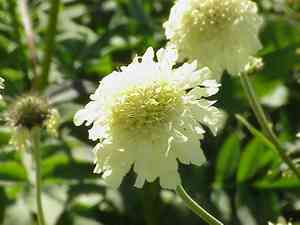
Symphoricarpos doorenbosii is a resilient, leaf-shedding shrub characterized by its diminutive, oval-shaped foliage and berries ranging from pink to white. It flourishes in adequately drained soil and conditions from partial to complete sunlight. Optimal propagation involves utilizing cuttings, specifically stem sections approximately 10-15 cm long, each possessing 2-3 nodes. Insert these into damp soil, preserving moisture with a plastic covering until the root system establishes. Employ a rooting stimulant to enhance the probability of success.
Optimal Period for Pink Snowberry Propagation
Propagation Method
Cutting
Propagation Period
Spring,Summer
Essential Tools for Pink Snowberry Propagation
Pruning Shears
Pruning shears are vital for obtaining precise, clean cuts from pink snowberry. Their sharp blades ensure minimal damage to both the parent plant and the cutting, fostering quicker recovery and robust initial development.
Rooting Hormone
Rooting hormone is crucial for propagating pink snowberry via cuttings. It stimulates root formation, ensuring the new plant develops stronger, faster roots, thereby increasing successful propagation rates.
Propagation Trays
Propagation trays offer a structured and controlled setting for pink snowberry cuttings to root. They guarantee proper spacing and consistency, which is key for monitoring and preserving the cuttings' well-being.
Sterilized Potting Mix
A sterile potting mix is essential to minimize the risk of fungal diseases and pests during the initial rooting phases. A well-aerated, nutrient-rich mix specifically for pink snowberry provides the necessary support for root growth.
Humidity Dome
Humidity domes assist in maintaining elevated humidity levels around the cuttings, which is critical for pink snowberry during the early rooting period, preventing desiccation and promoting quicker root development.
Heat Mat
Heat mats supply bottom warmth to propagation trays, encouraging faster root growth for pink snowberry. Consistent warmth is especially beneficial for promoting more rapid and uniform rooting of the cuttings.
Spray Bottle
A spray bottle is needed for misting pink snowberry cuttings to maintain adequate moisture without over-watering. Gentle misting ensures leaves stay hydrated while roots are forming.
Clean, Sharp Knife
A clean, sharp knife is necessary for making precise incisions when preparing pink snowberry cuttings. Properly executed cuts prevent crushing or damaging the stem, which can impede successful propagation.
How to Propagate Pink Snowberry?
Propagation Type
Moderately Difficult
Caring for Your Newly Propagated Pink Snowberry
Caring for Your Newly Propagated Pink Snowberry
Place the newly propagated pink snowberry plants in an area with partial shade to filtered light. Water consistently, allowing the top inch of soil to dry between watering sessions to prevent root rot. Gradually introduce the plants to more direct sunlight over several weeks. Fertilize sparingly with a balanced, water-soluble fertilizer during the growing season to encourage healthy development. Monitor for aphids and other pests, treating as needed with appropriate insecticidal soap or horticultural oil.
Common Mistakes to Avoid When Propagating Pink Snowberry
Incorrect soil moisture
Excessive or insufficient watering can lead to root rot or drying out, resulting in poor propagation success.
Inadequate light conditions
Providing either too much direct sunlight or insufficient illumination can stress the plant and hinder its development.
Improper cutting technique
Using dull tools or making incorrect cuts can harm plant tissue, increasing the chance of infection and rooting failure.
Neglecting humidity levels
Ignoring the requirement for a moist environment can lead to dry cuttings that fail to develop roots.
Using contaminated tools or media
Unsanitized tools or soil can introduce pathogens and pests, leading to health problems or propagation failure.
Tips For Propagating Pink Snowberry
Maintain optimal soil moisture
Keep the soil consistently damp but not waterlogged to encourage healthy root development.
Provide indirect light
Position the cuttings in a spot with bright, indirect sunlight to avoid stress from direct rays.
Use sharp, sanitized tools
Ensure that cutting instruments are sharp and disinfected to make clean cuts and prevent disease transmission.
Create a humid environment
Cover the cuttings with a plastic dome or bag to maintain high humidity levels, aiding in root formation.
Employ sterile propagation media
Use sterile potting mix or media to prevent the introduction of pathogens and ensure a healthy start for the cuttings.



