How to Prune Pink snowberry?
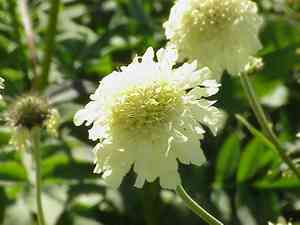
Symphoricarpos doorenbosii, recognized for its characteristic groupings of pink fruit, necessitates trimming in the early spring prior to the emergence of new shoots. Essential methods involve excising deceased or compromised wood, reducing crowded limbs to foster better air movement, and sculpting for an attractive form. Precise timing guarantees vigorous development and boosts blooming. Advantages encompass more resilient plants and improved visual charm. Always employ sanitized, keen implements to prevent the spread of pathogens.
Advantages of Trimming Pink Snowberry
Advantages of Trimming Pink Snowberry
Trimming pink snowberry promotes robust development, maintains its form, manages its size, boosts blooming, and lowers pest and disease risks by enhancing air circulation and eliminating dead or diseased wood.
Optimal Time for Pruning Pink Snowberry
Optimal Time for Pruning Pink Snowberry
Pruning pink snowberry in early spring is ideal as this aligns with the plant's dormant phase, just before new growth begins. Pruning at this time encourages healthy new growth once the plant emerges from dormancy. Furthermore, pruning prior to the flowering period ensures the plant's energy is directed towards producing abundant blossoms, enhancing both its health and visual appeal.
Necessary Tools for Pruning Pink Snowberry
Hand Pruners (Secateurs)
These are perfect for precise cuts on small branches, ensuring clean cuts to prevent harm.
Loppers
Useful for cutting thicker branches that exceed the capacity of hand pruners, offering greater leverage.
Pruning Saw
Essential for removing larger, woody branches that cannot be cut with hand pruners or loppers.
Hedge Shears
Helpful for shaping and trimming the plant for a neat look, especially if grown as a hedge.
How to Prune Pink Snowberry
Assess
Carefully inspect pink snowberry to identify diseased leaves, withered leaves, dead branches, and diseased branches. This is vital for accurate pruning and to ensure you focus on the necessary areas.
Tools
Prepare and sanitize sharp pruning tools such as pruners or loppers. This helps prevent the spread of disease within pink snowberry.
Remove Diseased Leaves
Carefully snip off any diseased leaves from pink snowberry using sterilized tools. Cut as close to the leaf base as possible without harming the healthy foliage remaining.
Remove Withered Leaves
Trim the withered leaves, ensuring you cut back to healthy, green tissue or just above a bud if applicable. This encourages healthy new growth.
Remove Dead and Diseased Branches
Cut dead and diseased branches back to the main stem or to a healthy side branch. Make cuts at a slight angle to prevent water accumulation, which can further damage pink snowberry.
Common Pruning Errors with Pink Snowberry
Excessive Pruning
One of the most common errors is removing too much foliage. Over-pruning can stress pink snowberry and impede its growth, reducing its ability to produce flowers and berries.
Incorrect Cuts
Making improperly angled cuts can harm pink snowberry's stems, leading to disease and impaired healing. Cuts should be clean and made at a 45-degree angle.
Neglecting Deadwood
Ignoring dead or damaged branches can encourage pest infestation and disease. Itâs important to remove these to maintain the plant's health.
Pruning at the Wrong Nodes
Pruning too far from or too close to the nodes can inhibit new growth. Ensure cuts are made just above a node to encourage proper regrowth.
Ignoring the Plant's Natural Shape
Pruning without considering pink snowberry's natural growth habit can result in a misshapen, unattractive plant. Itâs crucial to respect its innate structure while pruning.
General Pruning Advice for Pink Snowberry
Use Sharp Tools
Always use sharp, clean pruning shears to make precise cuts and prevent the spread of disease.
Start with the 3 D's
Focus on removing dead, diseased, and damaged wood first. This basic rule ensures the plant stays healthy and looks tidy.
Thin Out Crowded Branches
If branches are too dense, thin them out to improve air circulation and light penetration. This practice helps prevent fungal infections and encourages even growth.
Make Deliberate Cuts
Each cut should serve a purpose, whether it's to remove a problematic branch or to shape the plant. Avoid random or excessive pruning.
Consider the Plant's Growth Stage
Moderate pruning for younger plants to help them establish a strong framework. For mature plants, focus on maintaining shape and removing old growth.



