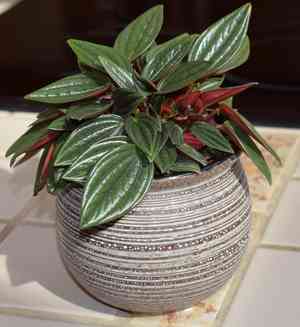
Trailing jade (Peperomia rotundifolia)
Also known as: Creeping buttons, Yerba linda, Camphor vine
Peperomia rotundifolia, commonly referred to as Trailing Jade, is also known by other names such as Jade Necklace, Creeping Buttons, and Round-leaf Peperomia. Originating from the tropical rainforests of South America, this plant thrives in high humidity conditions. As a popular houseplant, it's important to avoid overwatering to ensure healthy growth.
In This Article
Attributes of Trailing jade
Lifespan
Perennial
Plant Type
Herb, Vine
Plant Height
25 cm to 30 cm
Spread
20 cm
Leaf Color
Green
Flower Size
Not prominent (tiny spikes)
Flower Color
White Green
Images of Trailing jade
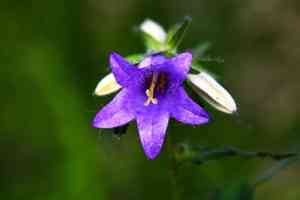
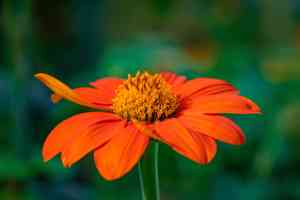
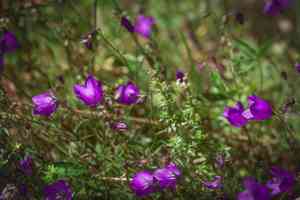
Quickly Identify Trailing jade
1
Abundant round leaves about 1 inch (2.5 cm) in diameter, almost perfectly circular.
2
Deep green foliage with a matte surface and slight succulence for resilience.
3
Cascading stems that can extend several feet in length, elegant trailing growth habit.
Scientific Classification of Trailing jade
Phylum
Vascular plants
Class
Dicotyledons
Order
Piperales
Family
Pepper
Genus
Radiator plants
Species
Trailing jade
Planting and Growing of Trailing jade
Care Difficulty
Easy
Watering Schedule
Every 4 days
Sunlight Requirements
Partial sun
Sunshine Duration
6-10 hours
Ideal Temperature
65-75℉
Soil Type
Potting Mix, Peat Mix
Soil pH
6.5-7.5
Fertilizer Type
Balanced
Pruning Season
Spring, Summer
Pruning Area
Branches, Leaves
Pruning Frequency
2 times a year
Repotting Season
Spring
Pot Type
Plastic, Ceramic
 How to Water Trailing jade?
When watering Peperomia rotundifolia, ensure that the soil is sufficiently moistened without being waterlogged. It's essential to allow the top inch of soil to dry out completely before adding water again. This practice helps to prevent root rot, a common issue with this plant.
More About Watering Techniques→
What are the symptoms of an underwatered Trailing jade?
›
What should I do if my Trailing jade is not getting enough water?
›
What are the symptoms of an overwatered Trailing jade?
›
How to save an overwatered Trailing jade?
›
 What Are the Sunlight Requirements for Trailing jade?
Peperomia rotundifolia prospers in partial sunlight conditions, ideally 2 to 4 hours of diffuse light daily. This range ensures thriving foliage and vibrant leaves, as it mirrors its adaptation to shaded environments under forest canopies.
More About Sunlight Requirements Techniques→
What type of lighting does Peperomia rotundifolia prefer?
›
How can I ensure Peperomia rotundifolia receives ideal lighting?
›
What are the benefits of ideal lighting for Peperomia rotundifolia?
›
 What Is the Ideal Temperature Range for Trailing jade?
Peperomia rotundifolia thrives in an ideal temperature range of 65 to 75 °F. This range allows the plant to perform its physiological processes effectively, promoting healthy growth and vibrant foliage. Maintaining a stable temperature within this range promotes optimal moisture retention and nutrient uptake.
 What Soil is Best for Trailing jade?
Peperomia rotundifolia thrives in soil that drains well, preventing waterlogging. This is crucial as excess water can lead to root rot. Adequate drainage ensures the roots have access to oxygen while maintaining optimal hydration. The plant benefits from a nutrient-rich substrate that supports healthy growth and foliage. Fertile soil provides the essential nutrients that promote the lush, green appearance Peperomia rotundifolia is known for. A layer that retains some moisture without staying waterlogged is ideal. This characteristic helps maintain consistent moisture levels, which is vital for stable plant growth and leaf sustainability.
More About Soil→
 How to Fertilize Trailing jade?
For Peperomia rotundifolia, it's crucial to use a balanced fertilizer diluted to half its recommended strength. Over-fertilizing can harm the plant, so ensure you only use a small amount, just enough to support healthy foliage without burning the roots.
More About Fertilizing Techniques→
 How to Prune Trailing jade?
Start by assessing your plant thoroughly to decide what parts need pruning. Focus on removing old, yellow, or damaged leaves to promote new growth. Trim any overly long stems back to a leaf node to maintain shape. After cutting, check for any pests or signs of disease, and use a diluted neem oil spray to treat and protect if necessary. After pruning, let the plant recover in a warm, bright spot without direct sunlight to avoid shock. Water sparingly, allowing the soil to dry out between waterings, as overly moist soil can hamper the healing process.
More About Pruning Techniques→
 How to Propagate Trailing jade plant?
1
Choose healthy, mature stems from the Peperomia rotundifolia plant. The stems should be firm and free from disease or pest damage to ensure successful propagation.
2
Using sharp scissors or pruning shears, make a clean cut just below a node on the selected stem. Each cutting should be at least 3-4 inches long with a few leaves attached.
3
Dip the cut end of each stem in rooting hormone, if desired, and plant it in a well-draining potting mix. Water lightly, ensuring that the soil is moist but not waterlogged.
 How to Repot Trailing jade plant?
1
Indicators that Peperomia rotundifolia needs repotting include roots growing out of the drainage holes or the soil drying out rapidly. These signs typically mean the plant has outgrown its current pot, and repotting will provide more space for healthy growth and prevent root rot.
2
Select a pot that is only slightly larger than the current one, with adequate drainage holes. This prevents waterlogging, which Peperomias are sensitive to. Terracotta pots are excellent as they allow the soil to dry out between waterings, mimicking the plant's natural environment.
3
Opt for a well-draining potting mix, such as a blend of peat, perlite, and pine bark. This composition ensures that excess water is expelled, preventing root rot and providing the plant with the air circulation it needs for healthy development.



