How to Prune Trailing jade?
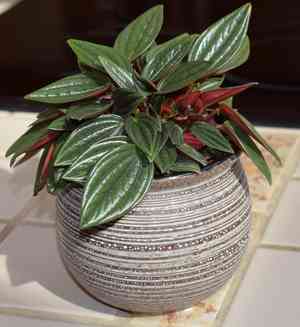
A tropical perennial recognized for its circular, succulent leaves and flowing stems, trailing jade thrives with little upkeep. Essential trimming methods include shortening elongated stems to encourage a fuller appearance and eliminating discolored or compromised leaves to preserve visual appeal and plant well-being. The perfect time for pruning extends from spring through autumn, coinciding with trailing jade's period of active development. Pruning during this interval maximizes recuperation and expansion. Consistent trimming benefits trailing jade by fostering a more compact and robust specimen, thereby elevating its decorative value.
What Are the Benefits of Pruning Trailing Jade?
What Are the Benefits of Pruning Trailing Jade?
Trimming trailing jade promotes more robust development as the plant redirects energy to new leaves. It also helps maintain a desired compact form, thereby enhancing the plant's visual appeal.
What Is the Best Time for Pruning Trailing Jade?
What Is the Best Time for Pruning Trailing Jade?
Pruning trailing jade during spring and early summer aligns with its active growth period, allowing for rapid recovery and new shoot development. The increased light and warmth of these seasons support vigorous growth, ensuring pruning results in a denser, bushier plant. Pruning in late fall is not ideal for trailing jade, as it enters a slower growth phase, and recovery from cuts may be hindered as the plant prepares for dormancy in cooler months. Avoid winter pruning to prevent stress on trailing jade during its resting period.
What Tools Do I Need to Prune Trailing Jade?
Precision Pruners
Given trailing jade's delicate structure and small leaves, precision pruners or micro-tip snips are perfect for making clean cuts without harming the plant.
Clean, Sharp Scissors
For enthusiasts without specialized equipment, clean, sharp scissors can be suitable for trailing jade's soft stems, allowing for accurate trimming without crushing plant tissues.
Gloves
Gardening gloves can protect the user's hands from potential irritation when handling trailing jade, even though it is not known to cause skin irritation.
Disinfectant
Using a disinfectant to sanitize cutting tools before and after pruning trailing jade helps prevent the spread of diseases.
How to Prune Trailing Jade
Sterilize Tools
Before pruning trailing jade, sanitize your pruning tools with rubbing alcohol or a bleach solution to prevent disease transmission.
Inspect Plant
Carefully examine trailing jade for the specified parts: diseased leaves, withered leaves, dead branches, and diseased branches. Look for signs of discoloration, spots, or unusual textures.
Cut Diseased And Withered Leaves
Using your sterilized tools, gently snip off any diseased or withered leaves at their base where they meet the stem or branch. Make clean cuts to avoid damaging trailing jade.
Remove Dead And Diseased Branches
For dead and diseased branches on trailing jade, make cuts just above a healthy leaf or node using sterilized sharp scissors or pruning shears. Be careful not to harm healthy parts.
Dispose Of Trimmed Parts
Discard all removed parts, including diseased leaves and branches, in the trash and not in a compost pile to prevent the spread of pathogens.
Common Pruning Mistakes with Trailing Jade
Over-Pruning
Cutting back too much of trailing jade's foliage can shock the plant and impede its growth.
Using Dull Tools
Pruning with dull blades can cause damage and uneven cuts, which may lead to disease and poor plant health.
Ignoring Plant Health
Pruning trailing jade when it is unhealthy or stressed might worsen issues instead of encouraging growth.
Pruning Too Frequently
Trailing jade does not require frequent pruning; doing so may result in weak or stunted growth.
Disregarding Hygiene
Not sterilizing pruning tools between cuts can spread pests and diseases to trailing jade.
Neglecting Shape
Random or excessive cutting without considering the natural shape of trailing jade can lead to an unbalanced appearance.
Leaving Stubs
Cutting stems of trailing jade too far from a node leaves stubs that can rot and invite disease.
Common Pruning Tips for Trailing Jade
Sharp Tools
Use sharp and clean pruning shears for clean cuts that heal quickly, minimizing stress on trailing jade.
Healthy Foliage
Focus on removing only dead or yellowing leaves to maintain the health and aesthetic of trailing jade.
Promote Branching
Prune just above a leaf node to encourage trailing jade to branch out, resulting in a fuller plant.
Consider Growth Direction
When pruning trailing jade, cuts should be made to direct new growth in the desired direction.
Disinfect Tools
Regularly disinfect pruning tools with isopropyl alcohol to prevent the spread of disease to trailing jade.
Pruning For Propagation
Trailing jade cuttings taken during pruning can be rooted in water or soil to propagate new plants.
Balanced Trimming
Evenly trim trailing jade to ensure balanced growth and avoid a lopsided appearance.



