Boost Growth: How and When to Repot Your Trailing jade Plant
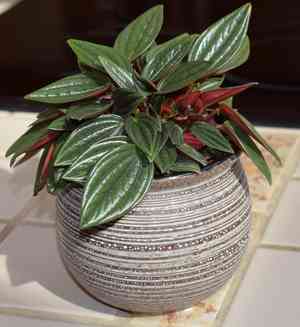
1
The best time to repot Trailing jade is in the early spring.
2
Select a container with a diameter 2.5-5 cm (1-2 inches) wider than its present pot.
3
Following repotting, provide a moderate amount of water and position your plant in filtered light.
Why Replant Your Trailing jade?
Understanding the advantages of transplanting for plant vitality
Transplanting your Trailing jade is vital for maintaining its health and encouraging vigorous growth. Over time, the potting medium can become dense, losing its capacity to drain effectively and supply essential nutrients. Replanting guarantees your plant receives fresh soil that can better hold moisture while also providing improved aeration. Furthermore, as Trailing jade expands, its roots demand more room. By transplanting, you allow the roots more space to spread, preventing them from becoming root-bound and entangled, which can hinder the plantâs development.
Indicators suggesting it's time to rehouse your Trailing jade
Several signs indicate it might be time to rehouse your Trailing jade. Firstly, if you observe roots emerging from the drainage holes, it signifies the plant has outgrown its current container. Secondly, if the plant appears top-heavy or the soil dries out rapidly after watering, these suggest the roots require more space. Another key indicator is if your Trailing jade has been in the same pot for over a year; the soil may be depleted of nutrients even if the plant seems healthy. Rehousing will provide a new, nutrient-rich environment for your plant to flourish.
Selecting the Appropriate Container and Substrate
What to seek in a new container: dimensions, material, and drainage
When choosing a new container for your Trailing jade, its dimensions are a crucial factor. Ideally, select a pot that is 2.5-5 cm (1-2 inches) larger in diameter than the current one. This offers ample room for growth without overwhelming the plant. The container's material also matters; consider using terracotta or ceramic pots which facilitate better moisture regulation. Ensure the new pot has sufficient drainage holes to prevent water from accumulating at the bottom, which can lead to root rot. Proper drainage is essential for keeping your Trailing jade healthy.
Choosing the optimal soil mixture for Trailing jade
The soil mixture you select is as important as the container. Trailing jade prefers a well-draining soil that can retain some moisture but doesn't remain waterlogged. A succulent or cactus soil blend is generally suitable, as these mixtures typically contain sand or perlite to enhance drainage. You can also create your own mix by combining regular potting soil with sand or perlite at a 2:1 ratio. This ensures the roots have the correct balance of moisture and air, crucial for healthy development.
Detailed Guide to Replanting Trailing jade
Preparing your workspace and gathering necessary implements
Before you begin replanting, it's vital to set up a clean, organized workspace. Collect all required tools including a new pot, fresh soil mix, gloves, and possibly a small trowel. Lay down newspapers or a plastic sheet to catch any spills and protect your working surface. Having everything within reach will make the process smoother and more efficient.
Steps to safely extract Trailing jade from its current container
To safely remove your Trailing jade from its current container, begin by gently loosening the soil around the edges with your fingers or a small trowel. Tilt the pot sideways while supporting the plant with your other hand. Carefully lift the plant by its base, avoiding pulling directly on the stems, as they can be delicate. If the roots are particularly stubborn, you might need to tap the sides of the pot or gently squeeze it to release the plant.
How to position and secure the plant in its new dwelling
Once your Trailing jade is free from the old pot, examine the roots. Trim any that are damaged or excessively long. Place a layer of fresh soil at the bottom of the new pot. Position the plant in the center, holding it steady, and fill in around the roots with more soil. Lightly press the soil down to eliminate air pockets, but avoid compacting it too much. Ensure the plant is at the same depth it was in the old pot, with the base slightly above the soil line.
Post-transplant care advice: irrigation and placement after replanting
After replanting, water the Trailing jade until the water drains out from the bottom. This helps to settle the soil around the roots. Place the plant in a spot with indirect sunlight, avoiding direct harsh light which can stress the plant. Itâs normal for the plant to show some signs of stress, such as wilting or drooping leaves, but it should recover within a week or so. Water moderately during this period and avoid fertilizing for at least a month to allow the plant to adjust to its new environment.
Addressing Common Replanting Difficulties
Managing root damage during transplanting
Accidental root damage can occur during transplanting, but itâs important not to panic. Trim any broken or damaged roots cleanly with sterilized scissors to prevent infection. Allow the plant to dry out for a day if the damage is extensive, before replanting. This pause in watering helps the cuts to seal off and reduces the risk of rot.
Recognizing and handling post-transplant shock in Trailing jade
Post-transplant shock is common in plants, and Trailing jade is no exception. Signs include drooping leaves, wilting, or slowed growth. To help your plant recover, ensure itâs kept in a stable environment with indirect light and regular, moderate watering. Avoid moving the plant around too much as stability helps reduce stress. Patience is key; within a couple of weeks, your Trailing jade should bounce back and start thriving in its new pot.



