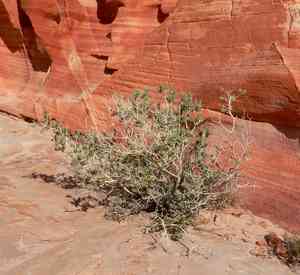
Utah mortonia (Mortonia utahensis)
Also known as: Blackbrush
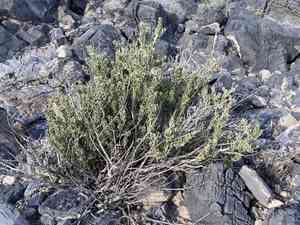
The plant has branching stems that are white to gray and covered with rough hairs. Its leaves are thick, curling, and concave, with an oval shape that can be either pointed or rounded at the tip, measuring up to around 1.5 cm in length. The flowers form a narrow panicle, featuring many blooms with five greenish, rough-textured sepals and five thin, white petals just a few millimeters long. The fruit consists of a cluster of small nutlets.
In This Article
Attributes of Utah mortonia
Lifespan
Perennial
Plant Type
Shrub
Plant Height
0.5-1.5 meters
Spread
1-2 meters
Leaf Color
Green
Flower Size
0.5-1 centimeter
Flower Color
White Yellow Green
Images of Utah mortonia
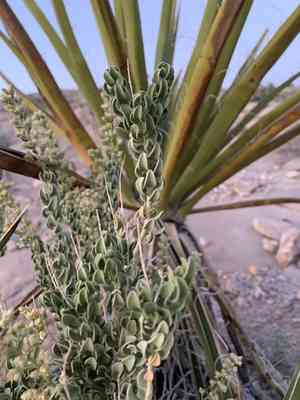
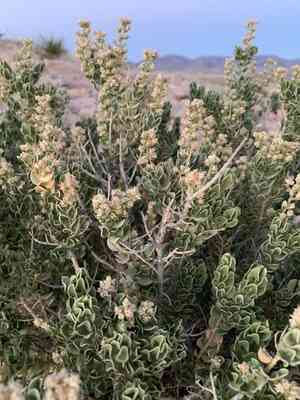
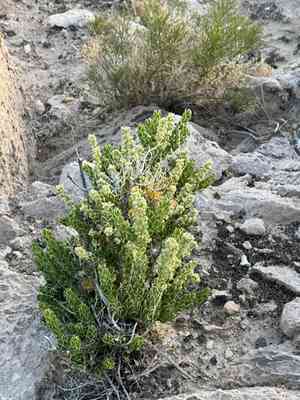
Quickly Identify Utah mortonia
1
Identify Mortonia utahensis by its spiny leaves, small white flowers in spring, and ability to thrive in rocky, arid environments. Its evergreen foliage and spiny structure are distinguishing features.
Scientific Classification of Utah mortonia
Phylum
Vascular plants
Class
Dicotyledons
Order
Celastrales
Family
Bittersweet
Genus
Sand paper bush
Species
Utah mortonia
Planting and Growing of Utah mortonia
Care Difficulty
Moderate
Watering Schedule
Every 2 days
Sunlight Requirements
Full sun
Sunshine Duration
6-12 hours
Ideal Temperature
60-75℉
Soil Type
Potting Mix, Peat Mix
Soil pH
6.5-7.5
Fertilizer Type
Balanced
Pruning Season
Spring, Summer
Pruning Area
Branches, Leaves
Pruning Frequency
2 times a year
Repotting Season
Spring
Pot Type
Plastic, Ceramic
 How to Water Utah mortonia?
Mortonia utahensis requires a moderate amount of water to thrive. Each watering session should deliver approximately 200 milliliters of water. It's essential to ensure the root system is adequately hydrated but avoid waterlogging. Allow the soil to dry out substantially between waterings, keeping it slightly moist, which mimics its natural desert habitat.
What are the symptoms of an underwatered Utah mortonia?
›
What should I do if my Utah mortonia is not getting enough water?
›
What are the symptoms of an overwatered Utah mortonia?
›
How to save an overwatered Utah mortonia?
›
 What Are the Sunlight Requirements for Utah mortonia?
Mortonia utahensis thrives in full sun or partial sun conditions, receiving about 4 to 6 hours of sunlight daily. Adequate sunlight ensures optimal growth, enhanced flowering, and strengthens its defense against diseases.
How to achieve ideal sunlight for Mortonia utahensis?
›
What are the signs of receiving ideal sunlight?
›
What solutions ensure the plant receives ideal light?
›
 What Is the Ideal Temperature Range for Utah mortonia?
The ideal temperature range for Mortonia utahensis is between 60°F and 75°F. This range provides the best conditions for photosynthesis, growth, and reproduction. Within this range, the plant can absorb necessary nutrients efficiently, maximizing its health and vitality.
 What Soil is Best for Utah mortonia?
Mortonia utahensis thrives best in well-drained soil, as it prevents root rot and ensures the plant has access to essential nutrients. This soil requirement is crucial for avoiding waterlogged conditions that could be detrimental to the plant's health. This plant is adapted to grow in nutrient-poor soils, typical of its native habitats. Such conditions prevent excessive growth and maintain the plant's natural form, contributing to its resilience in arid environments. Mortonia utahensis does well in soil with low organic matter, where excessive nutrients can lead to unwanted growth patterns. This requirement helps maintain the species' unique characteristics by mimicking its natural growing conditions.
 How to Fertilize Utah mortonia?
For Mortonia utahensis, a moderate approach to fertilization is essential. Apply liquid fertilizer at half the strength recommended for typical houseplants. This ensures steady growth without overwhelming the plant, given its natural adaptable nature in nutrient-scarce environments.
 How to Prune Utah mortonia?
Before starting, ensure you have sharp pruning shears or a small pruning saw. Using clean, sterilized tools helps prevent the spread of disease, safeguarding the plant's long-term health and vitality. Inspect the plant for any brown, brittle, or lifeless branches. Removing these at their base encourages healthier growth and prevents the plant from expending unnecessary energy on non-viable sections. To maintain a balanced structure, prune back overgrown branches selectively, following the plant’s natural shape. Avoid cutting more than a third of the plant's overall foliage at a time to prevent stress. After pruning, clear away any cuttings from around the base of the plant. This prevents fungal growth and pest infestation, ensuring the environment remains clean and conducive to healthy plant development.
More About Pruning Techniques→
 How to Propagate Utah mortonia plant?
1
Collect seeds from mature Mortonia utahensis plants during the autumn and store them in a dry, cool place. Ensure they are viable by checking for any signs of damage or pests before planting.
2
Select healthy, non-flowering stems for cuttings during early spring. Cut below a node using clean pruning shears and remove any leaves from the lower half to prevent rot.
3
Plant seeds in seed trays using a well-draining soil mix. Place cuttings in a similar medium, ensuring good contact with the soil. Water sparingly and maintain consistent humidity.
 How to Repot Utah mortonia plant?
1
Repotting Mortonia utahensis is necessary when you notice its roots peeking out of the drainage holes or its growth stunted despite proper care. The ideal time is during its growing seasons in spring or autumn to minimize stress.
2
Select a pot that is 1-2 inches larger than the current one to allow room for growth. Ensure it has drainage holes to prevent waterlogging, which can be detrimental to this desert plant. The right pot helps maintain optimal moisture levels.
3
Use a well-draining cactus mix to mimic its natural arid environment. This is essential as it prevents root rot by allowing excess water to drain quickly, thus keeping the roots healthy and thriving.
Learn More About Utah mortonia Diseases
Anthracnose
Bacterial Leaf Spot
Bacterial Wilt
Chemical Injury
Crown Gall
Damping-off
Downy Mildew
Drought Stress
Fusarium Wilt
Gray Mold
Leaf Curl
Leaf Spot
Mosaic
Nutrient Deficiency
Nutrient Toxicity
Powdery Mildew
Root Rot
Root-knot Nematode
Rusts
Sooty Mold
Spider Mites
Temperature Stress
Thrips Damage
White Mold



