How to Prune Utah mortonia?
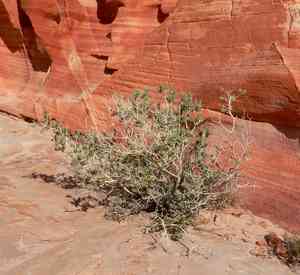
For utah mortonia, a hardy shrub characterized by its unique tough foliage, trimming ought to concentrate on eliminating deceased or compromised limbs to preserve its well-being. The optimal period is from late winter to early spring, right before the emergence of new shoots. Exercise restraint when pruning, as utah mortonia exhibits a gradual growth pace, and judicious trimming fosters vigorous expansion. Pruning not only stimulates development but also refines the plant's inherent form and deters ailments.
What Are the Benefits of Pruning Utah Mortonia?
What Are the Benefits of Pruning Utah Mortonia?
Trimming utah mortonia encourages robust development and helps maintain its desired shape. Regular trimming promotes healthy branching and can enhance its structural integrity, ensuring utah mortonia remains an appealing landscape feature.
What Is the Best Time for Pruning Utah Mortonia?
What Is the Best Time for Pruning Utah Mortonia?
Trimming utah mortonia during late winter or early spring is advantageous due to the plant's dormant state in colder months. This timing prevents undue stress on utah mortonia and allows for the removal of dead or damaged parts before new growth commences with warmer weather. Pruning at this stage also ensures the plant's energy is directed towards healthy growth in the spring. Additionally, since utah mortonia is not in its active growth or flowering phase during late winter and early spring, pruning will not impede its bloom or fruit production.
What Tools Do I Need to Prune Utah Mortonia?
Hand Pruners
Perfect for making precise cuts on utah mortonia's small to medium-sized branches. Utilize bypass pruners for a clean cut that fosters healthy regrowth.
Loppers
For branches that are somewhat thicker and beyond the reach of hand pruners, loppers provide the extra leverage needed to prune utah mortonia with greater accuracy and less effort.
Pruning Saw
If utah mortonia has developed thick woody stems, a pruning saw can be employed for branches too large for hand pruners or loppers.
Pruning Shears
These are ideal for shaping utah mortonia and trimming off small, unwanted twigs or foliage with minimal harm to the plant.
Gloves
Wearing durable gloves will safeguard your hands from thorns or rough branches while pruning utah mortonia.
How to Prune Utah Mortonia
Clean
Ensure all pruning tools are clean and sharp to prevent disease spread and to make clean cuts on utah mortonia. This will facilitate quick recovery of trimmed areas and reduce infection risk. Use a solution of one part bleach to nine parts water to sterilize tools between uses, especially when cutting diseased material.
Remove Diseased Leaves
Carefully inspect utah mortonia for diseased leaves. Gently remove them by snipping close to the stem using bypass pruners. Do not pull leaves off, as this can create small wounds susceptible to infection. Dispose of diseased leaves properly to prevent disease spread.
Trim Withered Leaves
Identify withered or yellowing leaves that are no longer beneficial for utah mortonia. Cut these leaves back to their base or the nearest healthy part of the plant, ensuring not to damage adjacent foliage or buds. This helps direct utah mortonia's energy towards new growth.
Prune Dead Branches
Locate dead branches by looking for those that are brittle and snap easily or have a dry, brown appearance externally. Using a pruning saw or loppers, make a clean cut at a slight angle about a quarter inch above a bud or branching point on utah mortonia, making sure not to tear bark or leave stubs which can invite pests or decay.
Cut Diseased Branches
When cutting diseased branches on utah mortonia, ensure to prune several inches into healthy wood to prevent the disease from spreading. Make your cuts at a 45-degree angle to promote water runoff and healing. Sanitize pruning tools immediately after cutting diseased branches to avoid contaminating other parts of the plant or nearby plants.
Common Pruning Mistakes with Utah Mortonia
Over pruning
Removing too much foliage from utah mortonia at once can stress the plant, hinder its growth and diminish flowering.
Improper tools
Using dull or unclean tools can damage the stems of utah mortonia, leading to ragged cuts that are susceptible to disease.
Cut position
Incorrect cut placement can result in damage to the main stems or can encourage the growth of weak, improperly placed shoots.
Removing buds
Accidentally pruning off flower buds can reduce the flowering potential of utah mortonia.
Pruning living tissue
Excessive removal of living tissue without leaving enough for photosynthesis can weaken utah mortonia.
Neglecting dead growth
Failing to remove dead or diseased growth can sap the vitality of utah mortonia and lead to pest and disease issues.
Common Pruning Tips for Utah Mortonia
Selective pruning
Carefully select which branches to prune by considering the general shape and health of utah mortonia, aiming to enhance its natural form.
Sharp clean tools
Ensure pruning tools are sharp and clean to make precise cuts that heal quickly, thereby minimizing stress to utah mortonia.
Cut angle
When cutting branches on utah mortonia, use an angle that allows water to run off the cut surface, reducing the risk of disease.
Bud direction
Prune just above a bud facing the outside of the plant to encourage outward growth and prevent congestion at the center of utah mortonia.
Staged pruning
Gradually prune utah mortonia over several seasons if extensive cuts are necessary, allowing the plant to recover between pruning sessions.
Health inspection
Regularly inspect utah mortonia for signs of disease or pests and prune affected areas promptly to maintain plant health.



