How to Transplant Utah mortonia?
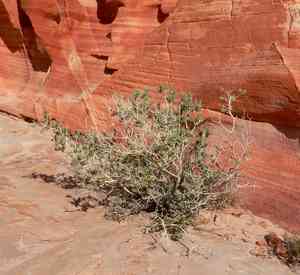
For utah mortonia, the ideal transplanting window spans from the mild warmth following spring to the onset of early summer, guaranteeing vigorous development. Choose a bright location featuring soil that drains effectively, and safeguard the root system during the move for optimal settling.
Preparations Required Before Relocating Utah Mortonia?
When is the Best Time to Move Utah Mortonia?
The ideal period for transplanting utah mortonia is when daylight hours lengthen and temperatures are agreeable â typically from late spring extending into early summer. During this timeframe, mild weather aids root establishment without the severe conditions of peak summer. Moving utah mortonia at this point allows roots to adapt and flourish, developing a strong system before colder months. This timing minimizes stress on utah mortonia, ensuring a smooth transition to its new spot, promoting vigorous growth and beauty in your garden.
What is the Recommended Spacing Between Utah Mortonia Plants?
Greetings, gardening enthusiast! Ready to provide your utah mortonia with a fresh start? Let's ensure they have ample room to thrive. Aim for approximately 12-15 inches (30-38 cm) between each plant. This will allow their roots sufficient space to expand and strengthen.
What is the Optimal Soil Blend for Utah Mortonia Transplantation?
To give your utah mortonia the best beginning, prepare a well-draining soil mixture enhanced with a touch of magicâor rather, a balanced, slow-release fertilizer! Your utah mortonia will flourish in a rich, loamy soil, which will keep them content and healthy.
Where Should You Replant Your Utah Mortonia?
Finding the perfect sunny location for your utah mortonia is akin to selecting the prime seat in a movie theater. Choose a spot where they will receive full sunlight or partial shadeâwhere the interplay of light and shadow will occur throughout the day. This will provide the ideal illumination for your utah mortonia to enjoy!
What Tools Should You Prepare Before Transplanting Utah Mortonia?
Gardening Gloves
To safeguard your hands while handling soil and the plant.
Shovel or Spade
For digging and lifting the root ball from its original spot and for excavating the new planting hole.
Pruning Shears
To trim any dead or excess growth as needed prior to transplanting.
Watering Can or Hose
For hydrating the utah mortonia before removal and for providing sufficient moisture after transplanting.
Wheelbarrow or Garden Cart
To safely transport the utah mortonia from its initial location to the new planting site without harming the root ball.
Trowel
For more precise tasks or for relocating smaller plants.
Rooting Hormone (optional)
To stimulate root development in the new environment, beneficial but not essential.
How Do You Extract Utah Mortonia from the Soil?
How Do You Extract Utah Mortonia from the Soil?
From Ground: Thoroughly water the utah mortonia to facilitate soil removal. Using a shovel or spade, create a wide circle around the plant, digging deep enough to encompass as much of the root ball as possible. Gently tilt the plant to one side and slide the shovel underneath to lift it out, ensuring the root ball remains intact.From Pot: Hydrate the utah mortonia to ensure the root ball is moist. Turn the pot horizontally, support the plant with one hand, and gently tap the bottom and sides of the pot to loosen it. Carefully slide the utah mortonia out, trying not to excessively disturb the roots.From Seedling Tray: Moisten the utah mortonia before transplanting. Use a trowel or your fingers to gently ease the seedling out of the tray, taking care not to damage the delicate roots. Lift the entire root system with as much soil as possible.
Step-by-Step Guide for Relocating Utah Mortonia
Preparation
Confirm that the new site is adequately prepared beforehand and that the timing for transplanting is suitable for the utah mortonia, avoiding extreme temperatures.
Excavating the New Hole
Using the shovel or spade, dig a hole as deep as the root ball and twice its width to allow for root expansion. Loosen the soil surrounding the hole.
Plant Positioning
Place the utah mortonia's root ball into the new hole, ensuring it is neither too deep nor too shallow. The top of the root ball should be level with the surrounding ground.
Re-filling the Hole
Carefully backfill the soil around the root ball, gently compacting it to eliminate air pockets without making it too dense.
Rehydration
Water the area sufficiently to settle the soil around the roots and to help mitigate transplant shock.
How Do You Care For Utah Mortonia After Relocation?
Immediate Care
Water the utah mortonia generously immediately after transplanting to aid recovery from any root disturbance.
Monitoring
Observe the plant's health, watching for indications of stress such as wilting, leaf discoloration, or stunted growth.
Mulching
Apply mulch around the base of utah mortonia to retain soil moisture and regulate temperature, but keep it away from the stem to prevent rot.
Troubleshooting Common Issues with Utah Mortonia Transplantation.
What's the best time of year to transplant utah mortonia?
The optimal period to transplant utah mortonia is when the sun warmly graces the earth, typically late spring into the vibrant hues of early summer.
How far apart should I space utah mortonia when planting?
For utah mortonia to flourish, allow for ample room of approximately 12-15 inches (30-38 cm) between each plant.
What should I do if my utah mortonia wilts after transplanting?
If utah mortonia appears droopy, ensure it receives gentle hydration and shield it from intense sun until its roots are more established.
How deep should the hole be when transplanting utah mortonia?
Dig a welcoming bed for utah mortonia just deep enough so it can sit at the same level it occupied in its previous pot or location.
What kind of soil is best for transplanting utah mortonia?
Place utah mortonia into soil that is well-draining and rich in nutrients, much like a comfortable, breathable bed for its roots.
Why are the leaves of my transplanted utah mortonia turning yellow?
Yellowing often signals overwatering or inadequate drainage; ensure utah mortonia's home is not waterlogged.
How often should I water utah mortonia after transplanting?
Quench utah mortonia's thirst moderately after transplanting; both insufficient and excessive watering can be detrimental.
How do I protect utah mortonia from transplant shock?
Ease utah mortonia into its new spot with gentle care, avoiding extreme temperatures and using soil similar to its former environment.
Can I use fertilizer immediately after transplanting utah mortonia?
Allow utah mortonia to settle in, about 4-6 weeks, before introducing it to fertilizer applications.
My utah mortonia looks stunted post-transplant, what can I do?
Provide consistent care - appropriate sun, water, and patience - and utah mortonia should soon reach for the sky.



