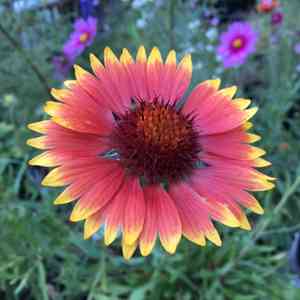
Puffballs (Marshallia caespitosa)
Also known as: None known
Puffballs are favored by gardeners due to their distinctive spherical shape and ease of cultivation. These hardy fungi are drought-tolerant and deer-resistant, making them low-maintenance additions to gardens. Puffballs thrive in various soil conditions and are suitable for xeriscaping, rock gardens, and pollinator gardens. They also contribute to the garden ecosystem by releasing spores in a visually striking manner when mature, often indicating healthy soil.
In This Article
Attributes of Puffballs
Lifespan
Perennial
Plant Type
Herb
Plant Height
30 cm to 46 cm
Spread
30 cm
Leaf Color
Green
Flower Size
2 cm to 3 cm
Flower Color
White Pink Purple
Images of Puffballs
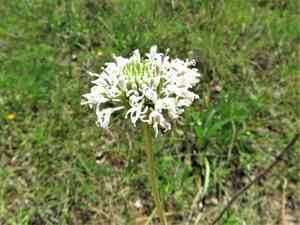
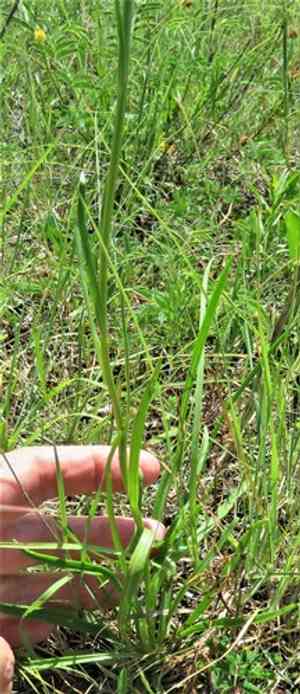
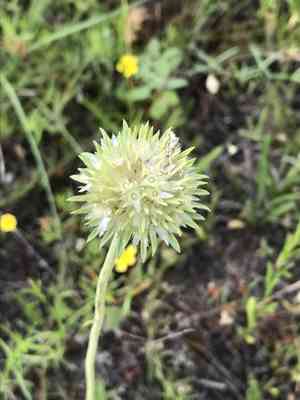
Quickly Identify Puffballs
1
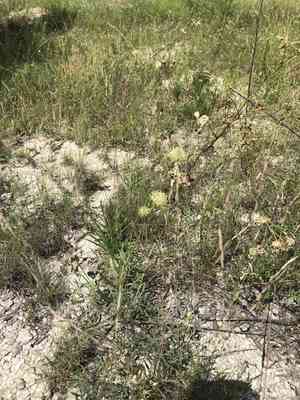
Marshallia caespitosa can be identified by its basal rosette of leaves, tufted growth form, and distinctive flowering heads. The flowers appear in dense clusters and have a tubular structure with lobed petals, typically pink or lavender in color.
Scientific Classification of Puffballs
Phylum
Vascular plants
Class
Dicotyledons
Order
Asterales
Family
Daisy
Genus
Barbara's buttons
Species
Puffballs
Planting and Growing of Puffballs
Care Difficulty
Easy
Watering Schedule
Every 2 days
Sunlight Requirements
Full sun
Sunshine Duration
6-10 hours
Ideal Temperature
60-75℉
Soil Type
Potting Mix, Peat Mix
Soil pH
6.5-7.5
Fertilizer Type
Balanced
Pruning Season
Spring, Summer
Pruning Area
Branches, Leaves
Pruning Frequency
2 times a year
Repotting Season
Spring
Pot Type
Plastic, Ceramic
 How to Water Puffballs?
Marshallia caespitosa thrives when the soil is evenly moist but not waterlogged. Aim to water it with around 250 ml, which is sufficient to thoroughly soak the root zone without causing excess moisture buildup. Adjust based on the weather or indoor conditions, ensuring the top inch of soil dries out between waterings.
What are the symptoms of an underwatered Puffballs?
›
What should I do if my Puffballs is not getting enough water?
›
What are the symptoms of an overwatered Puffballs?
›
How to save an overwatered Puffballs?
›
 What Are the Sunlight Requirements for Puffballs?
Marshallia caespitosa thrives in full to partial sun, ideally 6 to 8 hours daily. The right light exposure maximizes flowering potential, ensuring lush, abundant blooms, and maintains optimal plant health, vigor, and symmetry.
More About Sunlight Requirements Techniques→
Is full sun necessary?
›
What happens if it's placed in deep shade?
›
Can it tolerate partial shade in hot climates?
›
 What Is the Ideal Temperature Range for Puffballs?
For optimal growth, Marshallia caespitosa thrives best in moderate climates. The ideal temperature range is between 60°F to 75°F. This range provides a perfect environment for photosynthesis and nutrient absorption, ensuring healthy foliage and vibrant blooms. Temperatures within this range mimic the plant's natural habitat, promoting robust growth and longevity.
 What Soil is Best for Puffballs?
Marshallia caespitosa thrives in well-drained soils as it prevents root rot by allowing excess water to escape. This setup ensures the roots get adequate air circulation, promoting healthier growth and vibrant blooms. Moderate soil fertility is ideal for Marshallia caespitosa as it provides sufficient nutrients without overwhelming plants. This balance supports strong growth and robust flowering without the risk of nutrient burn. Marshallia caespitosa benefits from soil that retains some moisture, reducing the need for frequent watering. This characteristic helps maintain consistent hydration levels, essential for the plant's overall stability and vitality.
 How to Fertilize Puffballs?
Marshallia caespitosa thrives with moderate fertilization. For liquid fertilizers, apply a solution diluted to half the recommended strength for flowering plants. For slow-release granular fertilizers, use about one tablespoon per plant for the entire growing season.
 How to Prune Puffballs?
Use a pair of sharp, clean gardening shears or scissors to ensure a clean cut. Make sure your tools are sanitized to prevent the spread of disease. Begin by removing any dead or damaged stems. Cut back one-third of the plant to shape it and encourage bushier growth. Make cuts near a leaf node to promote new shoots.
More About Pruning Techniques→
 How to Propagate Puffballs plant?
1
Harvest seeds from mature Marshallia caespitosa plants in autumn when seed heads are dry. Store them in a cool, dry place until spring. Stratification is not required for this species.
2
In early spring, carefully dig up the plant clumps. Use a sharp knife to divide the root ball into smaller sections, ensuring each section has a healthy root system and foliage.
3
Re-plant the divided sections immediately into prepared soil. Ensure the crown of the plant sits at soil level. Water thoroughly after planting to help establish roots.
 How to Repot Puffballs plant?
1
Marshallia caespitosa shows signs of needing repotting when its roots begin to circle around the pot or emerge through drainage holes. This perennial benefits from a refresh when the soil clumps or drainage diminishes, typically every two years.
2
Choose a pot that is one to two inches larger in diameter than the current pot. Opt for clay or terracotta pots to enhance aeration and improve soil drying times, which prevents potential root rot in Marshallia caespitosa.
3
Select a well-draining, loamy soil mix. This type of soil ensures adequate water retention with excellent drainage, fostering healthy root systems and minimizing waterlogging risks for Marshallia caespitosa.
Learn More About Puffballs Diseases
Anthracnose
Bacterial Leaf Spot
Bacterial Soft Rot
Bacterial Wilt
Black Spot
Chemical Injury
Crown Gall
Cyst Nematode
Damping-off
Downy Mildew
Drought Stress
Fusarium Wilt
Gray Mold
Leaf Spot
Mosaic
Nutrient Deficiency
Nutrient Toxicity
Powdery Mildew
Root Rot
Root-knot Nematode
Rusts
Sooty Mold
Spider Mites
Temperature Stress
Thrips Damage
White Mold



