How to Prune Puffballs?
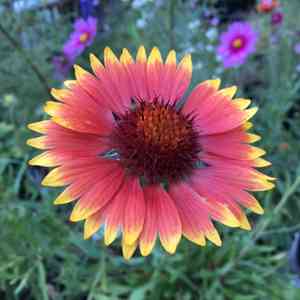
This perennial herb is distinguished by its grouped blossoms resembling pom-poms. For puffballs, trimming is most effective from spring through early autumn. Snip off faded blooms to stimulate further flowering and preserve a tidy look. During fall, clear away deceased leaves following the initial frost to foster robust development. Trimming puffballs can boost the plant's strength and avert excessive density, ensuring superior air movement and diminished susceptibility to illness.
Advantages of Trimming Puffballs
Advantages of Trimming Puffballs
Trimming puffballs promotes more abundant blooms, revitalizes growth, and helps maintain its desired shape. Removing faded flowers and shaping the foliage ensures a neat look and optimal plant health.
Optimal Time for Trimming Puffballs
Optimal Time for Trimming Puffballs
Trimming puffballs in spring is ideal, occurring before the growth season begins, allowing puffballs to direct energy to new growth and maintain a strong form. Early summer trimming is beneficial for puffballs as it can enhance flowering by removing spent blooms and stimulating new growth. Late fall trimming is best for puffballs after the blooming period has ended and before severe winter weather, which can help prevent damage and disease. These periods ensure that puffballs retains vigor, optimal health, and an attractive shape without disrupting its natural flowering cycle.
Tools Required for Trimming Puffballs
Hand Pruners
These are perfect for cutting through the thinner stems of puffballs without causing significant harm to the plant.
Pruning Shears
For precise shaping and maintaining the compact structure of puffballs, pruning shears provide clean cuts to encourage healthy regrowth.
Gloves
Wearing gloves protects against any potential skin irritants from the plant and ensures a safer trimming process.
Garden Scissors
For finer, more delicate trimming work around the flowers of puffballs, garden scissors can be used to snip off dead or fading blossoms.
How to Trim Puffballs
Sanitize Tools
Before starting, sanitize trimming tools to prevent transmitting diseases to puffballs. Use a solution of 1 part bleach to 9 parts water to sterilize the equipment.
Remove Faded Flowers
Trim off puffballs's faded flowers at their base using sharp, sterilized shears. This will encourage new growth and maintain a compact, healthy form.
Cut Diseased Leaves
Identify and remove any diseased leaves from puffballs. Make your cuts close to the base of the plant, ensuring you do not harm healthy adjoining foliage. Dispose of infected material properly.
Trim Withered Leaves
Carefully prune away withered leaves from puffballs to stimulate growth and improve air circulation. Use caution to avoid damaging new buds or stems.
Clean Up
After trimming puffballs, clean the area of all trimmed debris to minimize the chance of pest infestation or disease. Compost healthy plant material but dispose of diseased parts securely.
Common Trimming Errors with Puffballs
Excessive Trimming
Removing too much foliage can stress puffballs and lead to poor growth or reduced flowering.
Incorrect Technique
Using dull or improper tools can damage the stems of puffballs, leading to diseases.
Neglecting Deadheads
Puffballs, like many other perennials, benefits from removing spent blooms, but forgetting to deadhead can result in wasted energy on seed production rather than growth.
Ignoring Plant Structure
Random cuts without understanding the growth pattern of puffballs can lead to an unnatural appearance and potential harm to the plant.
General Trimming Advice for Puffballs
Sharp Tools
Use clean, sharp pruning shears to make clean cuts on puffballs that will heal more quickly and minimize disease risk.
Selective Thinning
Instead of shearing, selectively thin out older stems to provide better air circulation and light penetration for puffballs.
Rejuvenation
Periodically remove a third of the oldest stems to ground level, stimulating puffballs to produce new, vigorous growth.
Post-Flowering Pruning
Prune puffballs soon after the flowering period finishes to shape the plant and encourage a tidy growth habit.



