Enhancing Your Garden Design with the Puffballs Plant: A Landscaping Guide
1
Selecting an appropriate site for Puffballs is vital for its development.
2
Puffballs can act as an impressive centerpiece in any outdoor space.
3
Consistent care for Puffballs guarantees enduring attractiveness and vitality.
Introducing Puffballs in Garden Design
Overview of Puffballs and its visual appeal
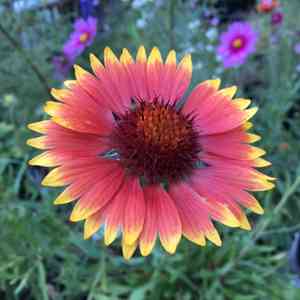
Envision a garden graced with lovely perennial blossoms that impart both charm and vibrancyâthis is the allure Puffballs can provide. Renowned for its delightful, puffball-like flowers, Puffballs brings a distinctive and playful element to any garden space. Its blooms, typically appearing in gentle pink and white hues, make it an attractive option for gardeners aiming to craft a tranquil, picturesque landscape. This plantâs aesthetic charm stems not only from its flowers but also from its rich green foliage, which adds textural interest even when not in bloom.
The role of Puffballs in generating visual interest in gardens
One way Puffballs distinguishes itself in a garden is through its capacity to generate visual interest. The plantâs fluffy, spherical blooms offer an architectural quality that can alleviate the uniformity of more conventional garden layouts. Whether incorporated into a naturalistic garden style or a more structured landscape, Puffballs can elevate the overall visual dynamic of your garden. Its whimsical appearance can soften the rigid lines of stone pathways or offer a vibrant contrast against darker foliage. Thus, Puffballs introduces an element of surprise and delight that can make your garden memorable.
Selecting the Ideal Spot for Puffballs
Assessing light and shade requirements for Puffballs
When determining the optimal location for planting Puffballs in your garden, consider its light and shade preferences. Puffballs generally thrives in full sun to partial shade conditions. Ensuring the plant receives at least 6 hours of sunlight daily will encourage vigorous growth and abundant blooms. However, in regions with intense afternoon sun, providing partial shade can prevent the plant from experiencing stress. Bear in mind that insufficient light can result in leggy growth and fewer flowers, making sunlight assessment crucial for optimal gardening outcomes.
Considering soil types and drainage needs
Puffballs prefers well-drained soils, making good drainage a vital factor in choosing its planting site. Sandy or loamy soils are perfect, as they allow water to permeate effectively, preventing roots from sitting in waterlogged conditions that could lead to rot. If your garden soil tends to retain moisture, consider amending it with organic matter like compost to enhance its structure and drainage capacity. Additionally, raised beds or sloped areas can also offer suitable environments for Puffballs to flourish.
Integrating Puffballs into Your Garden Design
Design tips for utilizing Puffballs as a focal point
Employing Puffballs as a focal point in your garden design can significantly enhance its aesthetic appeal. To achieve this, plant Puffballs in groupings or drifts where their blooms can collectively make a statement. Surrounding them with lower-growing plants ensures that attention remains on the striking puffball flowers. Furthermore, consider planting Puffballs in containers placed strategically in your garden; this allows you to relocate them to highlight different areas throughout the season. Combining Puffballs with reflective surfaces, such as mirrors or water features, can also accentuate its beauty, adding layers of visual interest.
Companion plants: What pairs best with Puffballs
Companion planting not only improves the visual harmony of your garden but also fosters healthier growth for all species involved. Pairing Puffballs with plants that share similar growing requirements ensures compatibility and reduces competition for resources. Excellent companions for Puffballs include ornamental grasses, lavender, and yarrow. These plants complement Puffballsâs texture and colors, creating a balanced and cohesive garden design. Moreover, selecting plants with staggered bloom times can ensure continuous color and interest in your garden throughout the growing season.
Maintaining Puffballs for Enduring Beauty
Basic guidelines for keeping Puffballs thriving
To keep Puffballs thriving, consistent maintenance practices are essential. Watering regularly, especially during dry periods, is crucial, but avoid overwatering to prevent root rot. Mulching around the plant's base can help retain moisture and regulate soil temperature. Periodic deadheading, or removing spent blooms, encourages the plant to produce more flowers and extend its blooming period. Fertilizing with a balanced, slow-release fertilizer in the spring can provide necessary nutrients for healthy growth. Monitoring for pests and diseases and addressing issues promptly also helps in maintaining the plantâs vigor.
Seasonal care advice for optimal growth
Seasonal care plays a crucial role in the long-term success of Puffballs in your garden. In the spring, a thorough clearing of debris around the plants prevents pest infestations and prepares Puffballs for the new growing season. Applying a layer of compost or organic fertilizer can give the plants a nutrient boost after winter dormancy. During the summer, ensure consistent watering and consider additional mulching to conserve moisture. In the fall, cutting back the stems after the first frost prepares the plant for winter and reduces the chance of disease. Adding a winter mulch layer can protect the roots from freezing temperatures, ensuring Puffballs returns healthy in the spring.
Creative Ways to Display Puffballs in Landscaping
Innovative arrangement styles for impact
Showcasing Puffballs creatively in your garden can maximize its visual impact. Consider using Puffballs in themed gardens, such as cottage gardens, where its whimsical blooms fit perfectly. Arranging Puffballs in geometric patterns or color blocks can create striking effects, especially when viewed from above. Planting Puffballs alongside tall, structural plants can highlight its rounded form, creating a beautiful juxtaposition. Another idea is to mix Puffballs with plants of varying heights and textures, constructing layers that draw the eye and give depth to garden beds.
Using Puffballs to enhance garden paths and borders
Garden paths and borders are ideal locations to make the most of Puffballs's aesthetic qualities. Lining pathways with Puffballs can guide visitors through your garden, offering bursts of color and texture along their journey. This creates a visually pleasing transition between different garden areas. For borders, Puffballs can serve as an excellent edge, softening the boundaries of planting beds while adding charm and interest. Paired with evergreen shrubs or hedges, Puffballs can break the monotony with its delightful blooms, making your garden paths and borders stand out year-round.



