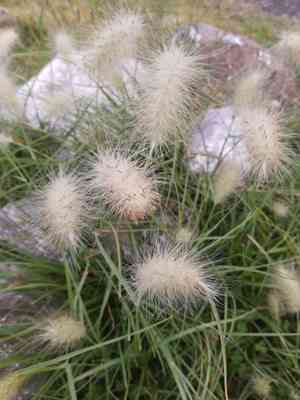
Feathertop (Cenchrus longisetus)
Also known as: Fountain Grass
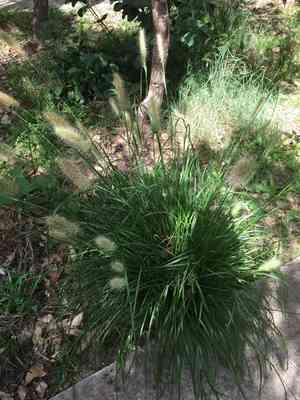
While feathertop is typically an annual ornamental grass in cooler regions, it tends to become invasive in warmer climates. Its name comes from its flowers, which resemble feather dusters when viewed from afar.
In This Article
Attributes of Feathertop
Lifespan
Perennial
Plant Type
Herb
Plant Height
30 cm to 38 cm
Spread
60 cm
Leaf Color
Green to gray-green
Flower Size
2 cm
Flower Color
Yellow Green Brown
Images of Feathertop
Quickly Identify Feathertop
1
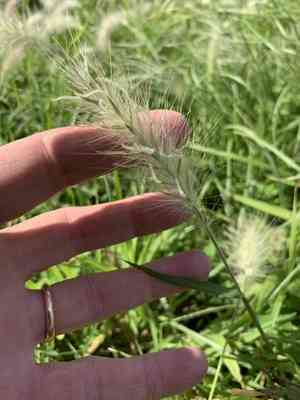
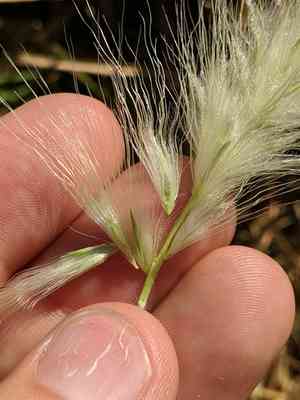
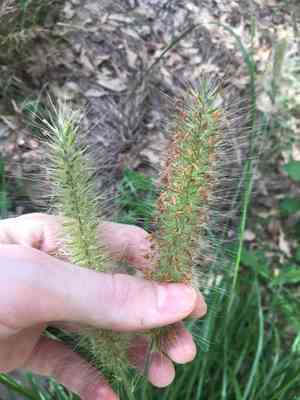
Identify Cenchrus longisetus by its long, arching plumes that have a soft, feathery appearance. The leaves are narrow and linear, green to gray-green in color, and the inflorescences can vary from pinkish-purple to buff.
Scientific Classification of Feathertop
Phylum
Vascular plants
Class
Monocotyledons
Order
Poales
Family
Grass
Genus
Buffelgrasses
Species
Feathertop
Planting and Growing of Feathertop
Care Difficulty
Easy
Watering Schedule
Every 2 days
Sunlight Requirements
Full sun
Sunshine Duration
6-10 hours
Ideal Temperature
68-86℉
Soil Type
Potting Mix, Peat Mix
Soil pH
6-7.5
Fertilizer Type
Balanced
Pruning Season
Spring, Summer
Pruning Area
Branches, Leaves
Pruning Frequency
2 times a year
Repotting Season
Spring
Pot Type
Plastic, Ceramic
 How to Water Feathertop?
The optimal watering amount for Cenchrus longisetus is around 500 ml per session. This plant prefers its soil to be consistently moist, but not soggy. Aim to water until the top few inches of the soil feel damp but avoid letting water pool at the base. This keeps the roots hydrated without risking root rot.
What are the symptoms of an underwatered Feathertop?
›
What should I do if my Feathertop is not getting enough water?
›
What are the symptoms of an overwatered Feathertop?
›
How to save an overwatered Feathertop?
›
 What Are the Sunlight Requirements for Feathertop?
Cenchrus longisetus thrives best in a semi-sun to full-sun environment. Adequate light results in vibrant, healthy growth, fostering strong roots and a dense leaf structure.
More About Sunlight Requirements Techniques→
How much sunlight does Cenchrus longisetus prefer?
›
What solution ensures perfect lighting for Cenchrus longisetus?
›
Benefits of ideal lighting conditions for Cenchrus longisetus?
›
 What Is the Ideal Temperature Range for Feathertop?
The ideal temperature range for growing Cenchrus longisetus is between 68°F to 86°F. Maintaining this range ensures optimal growth and health as it closely simulates its native habitat conditions.
 What Soil is Best for Feathertop?
Cenchrus longisetus thrives in well-drained soil that prevents waterlogging. This type of soil helps prevent root rot by ensuring excess water moves away quickly, thus maintaining healthy root systems and encouraging robust growth. While overly fertile soil is not necessary, a moderately fertile ground supports Cenchrus longisetus by providing it with the essential nutrients needed for growth and flowering. Regular soil with organic matter is typically adequate. Loose soil with good aeration capabilities is essential, allowing air to circulate around the root zones. This improves root oxygenation, enhancing nutrient uptake and promoting vigorous development of the plant.
 How to Fertilize Feathertop?
For Cenchrus longisetus, it is important to use a balanced fertilizer, such as a 10-10-10 or 14-14-14 N-P-K ratio. Apply a rate of 1 pound per 100 square feet for solid fertilizers. Ensure not to exceed this amount to avoid potential root burn.
 How to Prune Feathertop?
Before you start pruning, gather essential tools such as sharp garden shears, gloves, and possibly a face mask to prevent inhaling fine particles. Ensure your tools are clean to avoid plant diseases. Begin by removing any dead or damaged shoots to promote healthy growth. Focus on thinning out congested areas to improve air circulation. Trim back the overgrown stalks to maintain desired shape and size. After pruning, dispose of the cuttings properly, as they can become invasive. Water the plant well to help it recover and check for any signs of stress in the following days, adjusting care as needed.
More About Pruning Techniques→
 How to Propagate Feathertop plant?
1
Begin by filling a seed tray with a quality seed-starting mix. Sow the seeds evenly and cover them lightly with soil. Keep the tray in a warm, bright location, ensuring the soil remains moist but not waterlogged until germination occurs.
2
For division, water the plant thoroughly the day before. Use a garden fork to lift the plant, then carefully divide the root ball into sections. Each division should have a good amount of roots and some shoots to ensure successful propagation.
3
Once the seedlings are large enough to handle, transplant them into individual pots or a prepared garden bed. Ensure they are spaced adequately to promote healthy growth and acclimate them gradually to outdoor conditions.
 How to Repot Feathertop plant?
1
Cenchrus longisetus signals it's time to repot when its growth slows significantly, roots start crowding the pot, or water drains more slowly. Ideally, repotting should be done during its growth seasons of spring and summer when the plant can adapt more readily to new conditions.
2
Select a pot that is 1-2 inches larger in diameter than the current one. A pot with good drainage holes is essential to prevent waterlogged soil, which can lead to root rot. The material, whether clay or plastic, should suit your environment's temperature and humidity conditions.
3
Opt for well-draining sandy soil combined with organic matter. This mix enhances root aeration while retaining adequate moisture, crucial for the healthy growth of Cenchrus longisetus. It mimics its natural environment, promoting robust and lush foliage.
Toxicity
Ingestion
WARNING
The judgment on toxicity and danger is for reference only. We DO NOT GUARANTEE any accuracy of such judgment. Therefore, you SHALL NOT rely on such judgment. It is IMPORTANT TO SEEK PROFESSIONAL ADVICE in advance when necessary.



