How to Prune Feathertop?
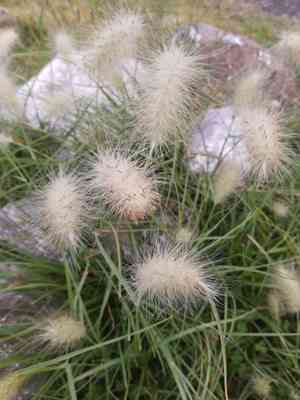
This elegant decorative grass, feathertop, flourishes with trimming in early spring or late winter to preserve its form and stimulate robust development. Reduce the prior year's leaves to several inches above the soil using sharp cutting tools, ensuring not to harm emerging sprouts. Consistent elimination of aged stalks improves air movement and the plant's well-being. Performing pruning before the onset of new growth is crucial for fostering a dense, plume-like appearance throughout the growing period.
What Are the Benefits of Pruning Feathertop?
What Are the Benefits of Pruning Feathertop?
Trimming feathertop promotes robust development and helps maintain its desired shape, leading to a more attractive appearance. Careful reduction can result in denser foliage and a more controlled size, ensuring feathertop thrives healthily.
What Is the Best Time for Pruning Feathertop?
What Is the Best Time for Pruning Feathertop?
Pruning feathertop in late winter and early spring is advantageous as it coincides with its dormant period, just before new growth emerges. Trimming at this time minimizes stress on feathertop and encourages vigorous growth as the season begins. Additionally, the absence of leaves allows for better visibility when making cuts, ensuring precision and promoting superior wound healing. Pruning before the spring growth spurt means cuts are exposed for a brief time before new growth seals them, reducing disease risk. Gardeners should avoid pruning feathertop in late summer or fall, as cuts made then can stimulate new growth that may not harden before winter, potentially leading to frost damage.
What Tools Do I Need to Prune Feathertop?
Hand Pruners
Perfect for cutting through fine to medium stems and leaves of feathertop, offering precise cuts and easy navigation through dense grass clumps.
Grass Shears
These are useful for shaping and trimming the edges of feathertop without harming the plant, allowing for neat contouring of its ornamental grass plumes.
String Trimmer
For larger areas or tougher, mature clumps of feathertop, a string trimmer can quickly remove unwanted growth while remaining gentle enough not to damage the plant.
How to Prune Feathertop
Sanitization
Before pruning feathertop, ensure all cutting tools are disinfected to prevent disease spread. Use a bleach or rubbing alcohol solution to thoroughly clean the blades.
Identification
Carefully inspect feathertop to locate diseased and withered leaves. Look for leaves with unusual spots, discoloration, or those that have completely dried out.
Removal
Using sharp pruning shears, carefully cut away diseased and withered leaves from feathertop at the base where the leaf stem meets the main plant stem. Ensure clean cuts to avoid damaging the plant.
Disposal
Properly dispose of removed leaves by placing them in a sealed bag and removing them from the garden area to prevent any potential spread of disease to other plants.
Care
After pruning, water feathertop sufficiently and monitor its health. Clean up any remaining plant debris around feathertop to maintain a tidy growing environment.
Common Pruning Mistakes with Feathertop
Over-pruning
Removing too much foliage from feathertop at once can stress the plant, potentially leading to reduced vigor and sparse growth.
Improper cuts
Making cuts too close to the main stem or leaving stubs too long can lead to diseases and hinder quick healing.
Tearing branches
Forceful removal of branches can cause tears that damage feathertop's bark and create entry points for pests.
Pruning during growth
Trimming feathertop while it is actively growing can divert energy from development and disrupt flowering.
Dirty tools
Using tools that are not clean and sanitized may introduce diseases to the fresh cuts on feathertop, affecting its health.
Ignoring plant structure
Failing to consider the natural form of feathertop may lead to an unbalanced appearance and disrupt its growth pattern.
Common Pruning Tips for Feathertop
Selective pruning
Focus on removing dead or damaged foliage to maintain feathertop's health without significantly altering its natural form.
Clean tools
Use sanitized and sharp tools to make precise cuts that heal quickly, reducing the risk of disease.
Angled cuts
Cut branches at a 45-degree angle to prevent water accumulation and promote quick healing.
Step back and assess
Regularly step back to assess feathertop's shape during pruning to maintain a balanced structure.
Thin out
Thin out crowded areas to ensure adequate light and air circulation, which can prevent fungal diseases and encourage robust growth in feathertop.
Refreshing cuts
If feathertop becomes overgrown, stagger more extensive pruning over a few seasons to allow it to recover without shock.



