How to Transplant Feathertop?
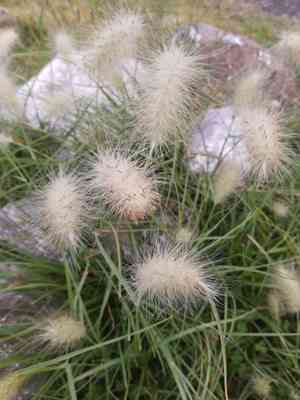
The optimal period for relocating feathertop is from the beginning to the end of spring, a time of renewed development. Select a bright spot with soil that drains effectively. The cooler, damp environment of this season aids in root development, establishing a strong base for feathertop's vigorous growth.
What Preparations are Needed Before Transplanting Feathertop?
What is the Ideal Time for Transplanting Feathertop?
The prime window for relocating feathertop spans from early spring's onset to the brink of summer's warmth. This period aligns with feathertop's natural growth cycle, leveraging mild temperatures and increased daylight to foster root development prior to summer's heat. Moving feathertop during this timeframe optimizes its recovery and growth, ensuring a smooth transition to its new spot. By selecting this opportune moment, you provide feathertop a head start in establishing a strong root system, vital for enduring summer conditions. Embrace this period for a successful transplant, enhancing feathertop's resilience and vitality.
How Much Space Should You Leave Between Feathertop Plants?
Allow your feathertops ample room to thrive by positioning them 6-8 inches (15-20 cm) apart. This spacing guarantees sufficient area for growth and minimizes competition for nutrients and sunlight.
What is the Best Soil Mix for Feathertop Transplanting?
For your feathertop, prepare a well-draining soil blend rich in organic matter, supplemented with a balanced, slow-release fertilizer to give them an excellent start. Aim for a pH that is neutral to slightly acidic to ensure your feathertops flourish.
Where Should You Relocate Your Feathertop?
Select a sunny location where your feathertops can receive at least 6 hours of daily sunlight. A spot with some afternoon partial shade would be ideal to shield them during the day's hottest hours.
What Equipments Should You Prepare Before Transplantation Feathertop?
Gardening Gloves
To safeguard your hands while handling soil and plants.
Garden Trowel
For excavating smaller feathertop plants or preparing holes for relocation.
Shovel or Spade
To dig around and beneath the feathertop plant's root ball in its current position.
Watering Can or Hose
For hydrating the feathertop plant both before and after its move.
Pruners
To remove any dead or damaged plant parts prior to transplanting.
Wheelbarrow or Garden Cart
To move the feathertop plant and soil without harming the root ball.
Root Pruning Shears
For making clean cuts to the plant's roots if necessary.
Mulch
To aid in moisture retention and regulate soil temperature around the newly transplanted feathertop.
How Do You Remove Feathertop from the Soil?
How Do You Remove Feathertop from the Soil?
From Ground: First, moisten the feathertop plant's soil by watering it. Next, use a shovel or spade to dig a wide trench around the plant, ensuring the root ball remains intact. Carefully work the spade beneath the root ball to lift the plant from its original spot.From Pot: Water the feathertop thoroughly. Turn the pot on its side, grasp the plant by its base, and gently tap the pot's bottom to loosen it. Carefully slide the plant out and examine the root ball.From Seedling Tray: Water the seedlings well. Use a garden trowel or a spoon to gently extract each feathertop seedling from its compartment, taking care not to harm the delicate roots.
Step-by-Step Guide for Transplanting Feathertop
Preparation
Thoroughly water your feathertop before transplanting to ensure the plant is hydrated and the soil is damp.
Excavation
Using the appropriate tool, carefully dig around the feathertop to create a substantial root ball. Dig deep enough to encompass most of the plant's roots.
Lift the Plant
Gently slide your tool under the root ball, lifting the feathertop from the soil while preserving its root structure.
Root Pruning
Inspect the root ball and use root pruning shears to trim any excessively long or damaged roots.
Transport
Place the feathertop in a wheelbarrow or garden cart to move it to the new location without disturbing the root ball.
Planting Hole
Dig a hole in the new location that is twice as wide and as deep as the root ball. Center the feathertop in the hole.
Positioning
Adjust the feathertop so it stands upright and is at the same depth as it was previously. Backfill around the plant with soil, gently firming it down.
Watering
Water the transplanted feathertop generously to settle the soil around the roots and eliminate any air pockets.
Mulching
Apply a layer of mulch around the feathertop to help retain moisture, prevent weed competition, and regulate soil temperature.
How Do You Care For Feathertop After Transplanting?
Consistent Moisture
Keep the soil around the feathertop consistently moist, but not waterlogged, especially during the initial weeks post-transplant.
Pruning
Trim any additional dead or damaged foliage after transplanting to help the feathertop direct its energy towards root establishment.
Mulch
Maintain a layer of mulch to insulate the plant's root zone and conserve moisture.
Monitoring
Observe the feathertop for indications of transplant shock, such as wilting leaves, which might signal a need for more or less water or potential adjustments.
Staking
If the feathertop is tall or in a windy area, provide staking or support to prevent it from leaning or being dislodged.
Troubleshooting Common Issues with Feathertop Transplantation.
Whatâs the best time to transplant feathertop?
Relocate feathertop during the pleasant period of early to late spring, when the soil is warm and receptive.
What spacing is optimal for feathertop after transplanting?
Space feathertop approximately 6-8 inches (15-20 cm) apart to allow adequate room for growth and air circulation.
How deep should I plant feathertop during transplantation?
Plant feathertop at a depth similar to its previous container, ensuring its roots are comfortably settled.
Why does my feathertop wilt after transplanting?
Feathertop may be experiencing shock. Ensure adequate soil moisture, initially avoid full sun, and allow it time to recover.
Should I prune feathertop when transplanting?
Light pruning of damaged or excessively long roots can promote healthier growth after transplanting.
How much should I water feathertop post-transplant?
Water generously immediately after transplanting, then maintain consistent moisture without overwatering.
Why aren't my feathertop thriving after transplant?
Check for appropriate sunlight, watering, and well-draining soil. A mild fertilizer might be beneficial.
How do I prepare the soil for transplanting feathertop?
Enrich the soil with compost or a balanced fertilizer before planting to provide nutrients for feathertop.
Can feathertop be transplanted in containers?
Yes, feathertop adapts well to containers. Ensure the container is appropriately sized and has drainage holes.
Should I protect feathertop after transplanting?
A layer of mulch can help keep roots moist and protected as feathertop acclimates to its new environment.



