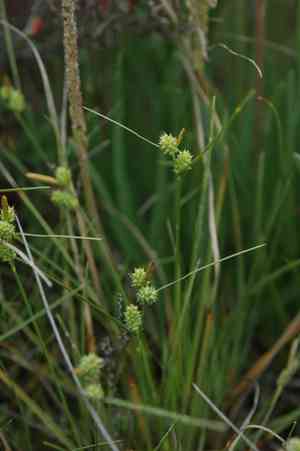
Long-bracted sedge (Carex extensa)
Also known as: Saltmarsh sedge
Carex extensa, commonly referred to as long-bracted sedge, is native to regions including Europe, North Africa, and the Middle East.
In This Article
Attributes of Long-bracted sedge
Lifespan
Perennial
Plant Type
Grass
Plant Height
20-50 cm
Spread
N/A
Leaf Color
Green
Flower Size
N/A
Flower Color
Not prominently colored; usually greenish
Images of Long-bracted sedge
Quickly Identify Long-bracted sedge
1
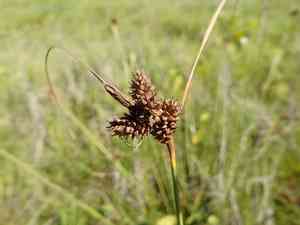
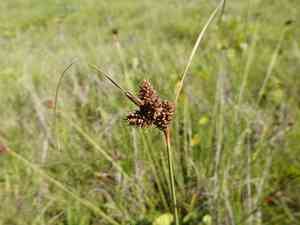
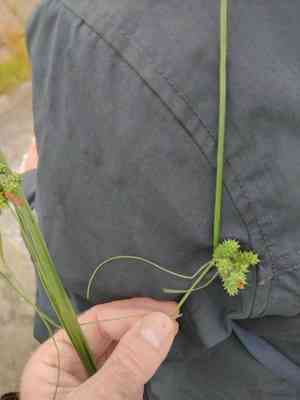
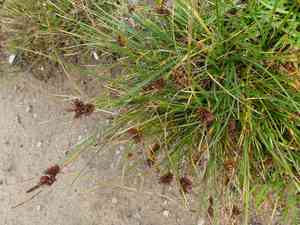
Carex extensa can be identified by its long bracts that extend beyond the spikes, its triangular stems, and its preference for saline environments.
Scientific Classification of Long-bracted sedge
Phylum
Vascular plants
Class
Monocotyledons
Order
Poales
Family
Sedge
Genus
True sedges
Species
Long-bracted sedge
Planting and Growing of Long-bracted sedge
Care Difficulty
Moderate
Watering Schedule
Every 2 days
Sunlight Requirements
Partial sun
Sunshine Duration
6-10 hours
Ideal Temperature
50-77℉
Soil Type
Potting Mix, Peat Mix
Soil pH
6.5-7.5
Fertilizer Type
Balanced
Pruning Season
Spring, Summer
Pruning Area
Branches, Leaves
Pruning Frequency
2 times a year
Repotting Season
Spring
Pot Type
Terracotta, Plastic
 How to Water Long-bracted sedge?
Carex extensa thrives in well-drained, moist environments. Watering should ensure soil moisture without waterlogging. Water until the soil is evenly moist, but avoid standing water around the roots, as this can lead to rot.
What are the symptoms of an underwatered Long-bracted sedge?
›
What should I do if my Long-bracted sedge is not getting enough water?
›
What are the symptoms of an overwatered Long-bracted sedge?
›
How to save an overwatered Long-bracted sedge?
›
 What Are the Sunlight Requirements for Long-bracted sedge?
Partial sun ranging from 4 to 6 hours of sunlight is crucial for Carex extensa. Such conditions ensure optimal photosynthesis rates and nutrient uptake, fostering lush growth and enhancing the plant's ornamental appeal.
Why is partial sun ideal?
›
Solutions for ideal lighting?
›
Benefits of ideal lighting?
›
 What Is the Ideal Temperature Range for Long-bracted sedge?
The ideal temperature range for growing Carex extensa is between 50°F and 77°F. This range supports optimal growth and development, ensuring the plant maintains its distinctive characteristics. Temperatures within this range offer balanced conditions for root and shoot development.
 What Soil is Best for Long-bracted sedge?
Carex extensa thrives in well-drained soils where water does not collect excessively. This condition prevents root rot and encourages healthy root systems. Ensuring proper drainage is essential to the plant's vigorous growth. Moderately fertile soils provide all necessary nutrients for Carex extensa without causing excessive growth. Balanced fertility helps maintain the plant's distinctive structure and foliage color. While well-drained, the soil should still retain moisture, providing consistent hydration to sustain the plant through dry periods. This balance helps the plant remain lush and resilient.
 How to Fertilize Long-bracted sedge?
Carex extensa, a coastal grass, requires modest fertilization to thrive. Liquid fertilizers should be applied with care, with about half the recommended dose for typical houseplants per application. For solid fertilizers, a light scatter that just covers the root zone is sufficient, keeping nutrient release steady without overwhelming the plant.
 How to Prune Long-bracted sedge?
While it might be tempting to cut back more than necessary, over-pruning can weaken the plant and slow growth. It is essential to prune conservatively and only remove what's needed to maintain the health and shape of Carex extensa. During the pruning process, keep an eye out for any signs of pest infestations. Pests can cause damage to the plant's foliage, making it more susceptible to disease. Address any issues immediately to prevent further damage. After pruning, it's crucial to dispose of the removed plant material properly. Discard it away from healthy plants to prevent any potential spread of disease or pests. Composting is a good option if you're confident there's no disease present.
More About Pruning Techniques→
 How to Propagate Long-bracted sedge plant?
1
Gather mature seeds from Carex extensa in late summer. Ensure the seeds are dry before storage, as excess moisture can lead to mold. Store them in a cool, dry place until you are ready to plant in spring.
2
Prepare a well-draining soil mix for seed propagation. Add sand and compost to enhance drainage and provide nutrients. Ensure the soil is free from debris and clumps for even planting surface.
3
In early summer, identify mature clumps ready for division. Water the plant beforehand to soften the soil, making it easier to extract. Gently separate the clumps, ensuring each has adequate roots attached.
 How to Repot Long-bracted sedge plant?
1
Repot Carex extensa when you notice the roots have filled the pot or are coming out of the drainage holes. This typically occurs every 2 to 3 years. Yellowing leaves and slowed growth can also signal the need for a new home.
2
Select a pot that is slightly larger than the current one, typically 1 to 2 inches wider in diameter. A pot with ample drainage holes is crucial to prevent waterlogging, which can lead to root rot in Carex extensa.
3
Opt for a well-draining sandy soil mix to mimic Carex extensa's natural habitat. This soil type ensures proper aeration and prevents the roots from sitting in water, reducing the risk of root diseases.



