How to Prune Long-bracted sedge?
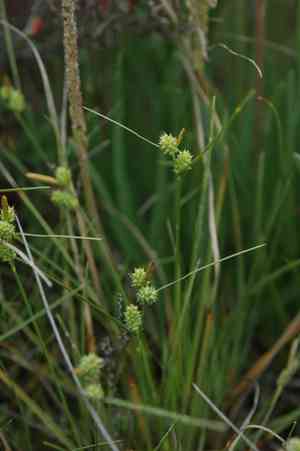
Recognized for its elongated bracts and compact, clumped development, long-bracted sedge thrives with trimming in late winter or early spring. Essential methods involve removing withered or compromised leaves to stimulate fresh development and preserve its form. Trimming aids in enhancing air movement, lowering the likelihood of disease, and preventing the plant from spreading excessively. Verify that all implements are sanitized to avert contamination.
What Are the Benefits of Pruning Long-bracted Sedge?
What Are the Benefits of Pruning Long-bracted Sedge?
Trimming long-bracted sedge promotes robust development by stimulating fresh growth and maintaining its form. Consistent trimming also manages its size, prevents excessive growth, and enhances air circulation, thereby reducing pests and diseases.
What Is the Best Time for Pruning Long-bracted Sedge?
What Is the Best Time for Pruning Long-bracted Sedge?
Pruning long-bracted sedge during early spring and winter is ideal as it aligns with the plant's inactive period and prepares it for vigorous growth in the upcoming season. Early spring pruning allows removal of any winter damage and stimulates new shoots. Winter pruning is beneficial because the plant is less active, minimizing stress and potential harm, thus promoting a healthy plant structure.
What Tools Do I Need to Prune Long-bracted Sedge?
Hand Pruners
Perfect for smaller, more delicate cuts to remove dead or damaged stems, ensuring clean and precise cuts to avoid harming healthy growth.
Gardening Scissors
Useful for detailed trimming and shaping, allowing for greater control when working with the finer blades and flower stalks of long-bracted sedge.
Lawn Shears
Effective for cutting back large areas quickly, especially useful when long-bracted sedge has grown densely and requires more significant reduction.
How to Prune Long-bracted Sedge
Preparation
Gather the necessary tools including sharp pruning shears and gloves to protect your hands.
Inspection
Examine long-bracted sedge carefully to identify diseased and withered leaves that need to be removed.
Trim diseased leaves
Use your pruning shears to trim off any diseased leaves at their base, ensuring all affected parts are removed to prevent the spread of disease.
Trim withered leaves
Carefully snip off withered leaves close to the base of the plant to encourage healthy new growth.
Disposal
Dispose of the trimmed diseased and withered leaves properly, away from the garden area, to avoid potential contamination.
Common Pruning Mistakes with Long-bracted Sedge
Over-pruning
One of the most frequent errors is removing too much foliage at once. This can stress the plant and lead to poor health and reduced growth.
Improper Technique
Using dull or inappropriate tools can damage the stems and leaves. This often results in ragged cuts that heal poorly.
Pruning at Wrong Time
Though we won't specify the best seasons in this section, pruning too frequently or at inappropriate times can hinder flower production and overall vigor.
Ignoring Dead Leaves
Some gardeners, especially novices, might overlook dead or damaged leaves. Removing them is crucial to direct the plantâs energy towards new growth.
Incorrect Cuts
Cutting too close to the base or leaving stubs can promote disease and pest infestations.
Common Pruning Tips for Long-bracted Sedge
Use Sharp Tools
Ensure your pruners or scissors are sharp and clean. This yields clean cuts that allow the plant to heal quickly.
Remove Dead and Damaged Leaves
Regularly check for and prune off dead or damaged leaves to prevent disease and keep the plant looking tidy.
Cut at the Node
Make cuts just above a node or bud to encourage healthy branching and growth.
Minimal Pruning
For long-bracted sedge, less is more. Only remove what is necessary to shape the plant and remove dead or diseased parts. This species does not require heavy pruning.
Monitor Plant Health
Regularly check the plant for signs of disease or pest damage. Prompt removal of affected parts can prevent wider infestations.



