How to Propagate Long-bracted sedge?
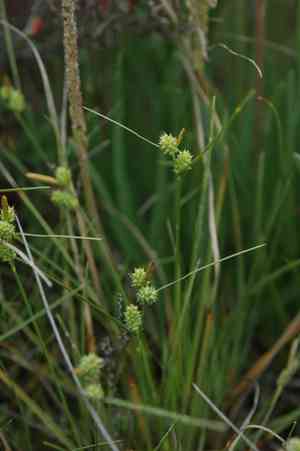
Long-bracted sedge flourishes in salty conditions and frequently appears in shoreline ecosystems. Reproduction is generally accomplished via separation, which guarantees a high rate of success. This method entails meticulously dividing the root masses and transplanting them into comparable settings to maximize development. Supplying a balanced nutrient solution can aid fresh growth, and appropriate irrigation ensures the root systems properly settle in their new spot.
What Is the Best Time To Propagate Long-bracted Sedge?
Propagation Type
Division
Propagation Season
Spring,Autumn
What Tools Are Used in Long-bracted Sedge Propagation?
Sharp Spade or Shovel
A keen-edged spade or shovel is crucial for dividing long-bracted sedge, enabling clean cuts through root clumps without excessive harm. Its sharp blade minimizes root tearing, reducing shock and promoting faster recovery post-division.
Garden Fork
A garden fork is useful for gently lifting long-bracted sedge clumps from the earth. It facilitates careful loosening of the root mass, decreasing the chance of root breakage and aiding smoother separation of divisions.
Pruning Shears
Pruning shears are necessary for trimming any damaged or dead foliage from long-bracted sedge before and after division. Maintaining tidy, healthy growth is key for encouraging vigorous regrowth in new divisions.
Root Knife
A root knife is especially helpful for precise root cutting during division. This tool can navigate dense root mats, which is vital for effective separation of long-bracted sedge clumps without extensive damage.
Watering Can with Fine Rose Attachment
A watering can with a fine rose attachment ensures gentle, even hydration for long-bracted sedge divisions. Appropriate, consistent moisture levels support root establishment and overall plant vitality after division.
Rooting Hormone (optional)
Rooting hormone can be applied to the cut sections of long-bracted sedge to encourage quicker root development, boosting the success rate of the propagation process.
Plant Labels
Plant labels assist in marking the divided sections of long-bracted sedge. Tracking which divisions came from specific parts of the original plant helps in monitoring growth and health over time.
How to Propagate Long-bracted Sedge?
Propagation Type
Easy
How to Care for Your Newly Propagated Long-bracted Sedge?
How to Care for Your Newly Propagated Long-bracted Sedge?
To ensure successful growth of long-bracted sedge, keep soil consistently moist, especially during dry periods. Regularly remove competing weeds and provide occasional feeding with a balanced fertilizer during the active growing season. Monitor for pests and diseases, addressing them promptly if they appear. Pruning old or damaged foliage will encourage fresh, healthy growth.
Common Mistakes to Avoid When Propagating Long-bracted Sedge
Incorrect soil conditions
Using soil that is either too rich in nutrients or retains too much moisture can harm long-bracted sedge.
Overwatering
Providing too much water can lead to root rot and impede new growth.
Improper light exposure
Exposing long-bracted sedge to either excessive direct sunlight or insufficient light can stress the plant and negatively impact propagation.
Neglecting pest control
Failing to inspect for or manage pests can result in significant damage, hindering propagation success.
Using unhealthy parent plants
Attempting propagation from diseased or weak parent plants can drastically lower the success rate.
Tips For Propagating Long-bracted Sedge
Use well-draining soil
Ensure the soil composition allows excess water to drain away efficiently to prevent root rot.
Moderate watering regime
Water long-bracted sedge sufficiently but avoid waterlogging. Allow the topsoil to dry out slightly between watering sessions.
Balanced light conditions
Provide indirect sunlight or partial shade, mimicking the plant's natural habitat.
Regular pest inspections
Frequently inspect long-bracted sedge for pests and take prompt action if any are found to keep the plant healthy and strong.
Select healthy parent plants
Choose robust and healthy parent plants for propagation to increase the likelihood of successful offspring growth.



