Scaly lentinus
Neolentinus lepideus
A species of Neolentinus. Also known as Train wrecker.
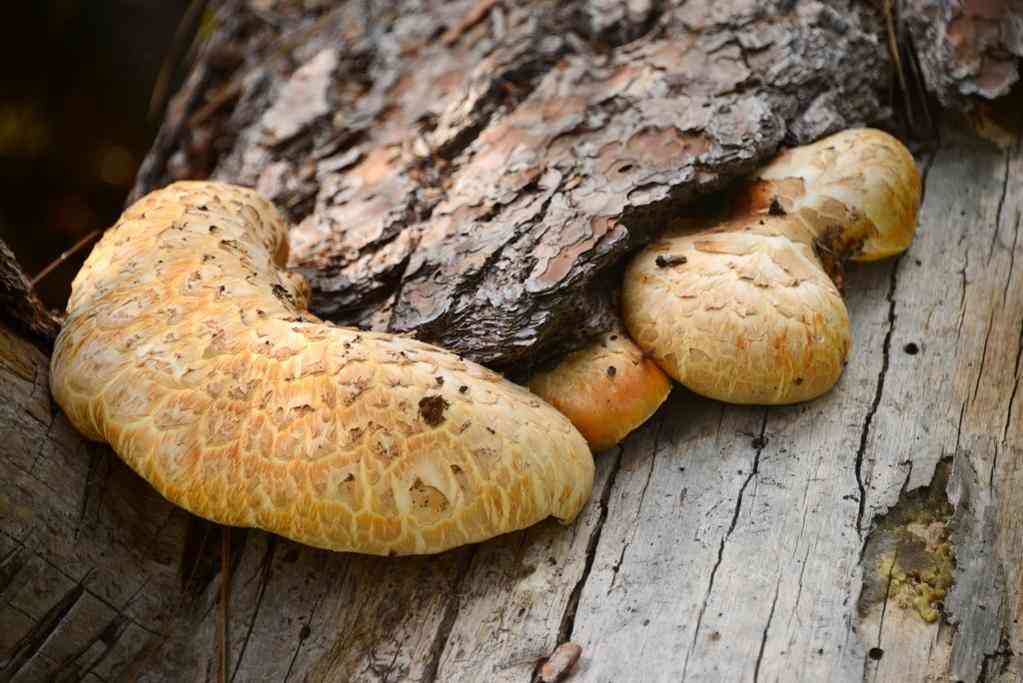
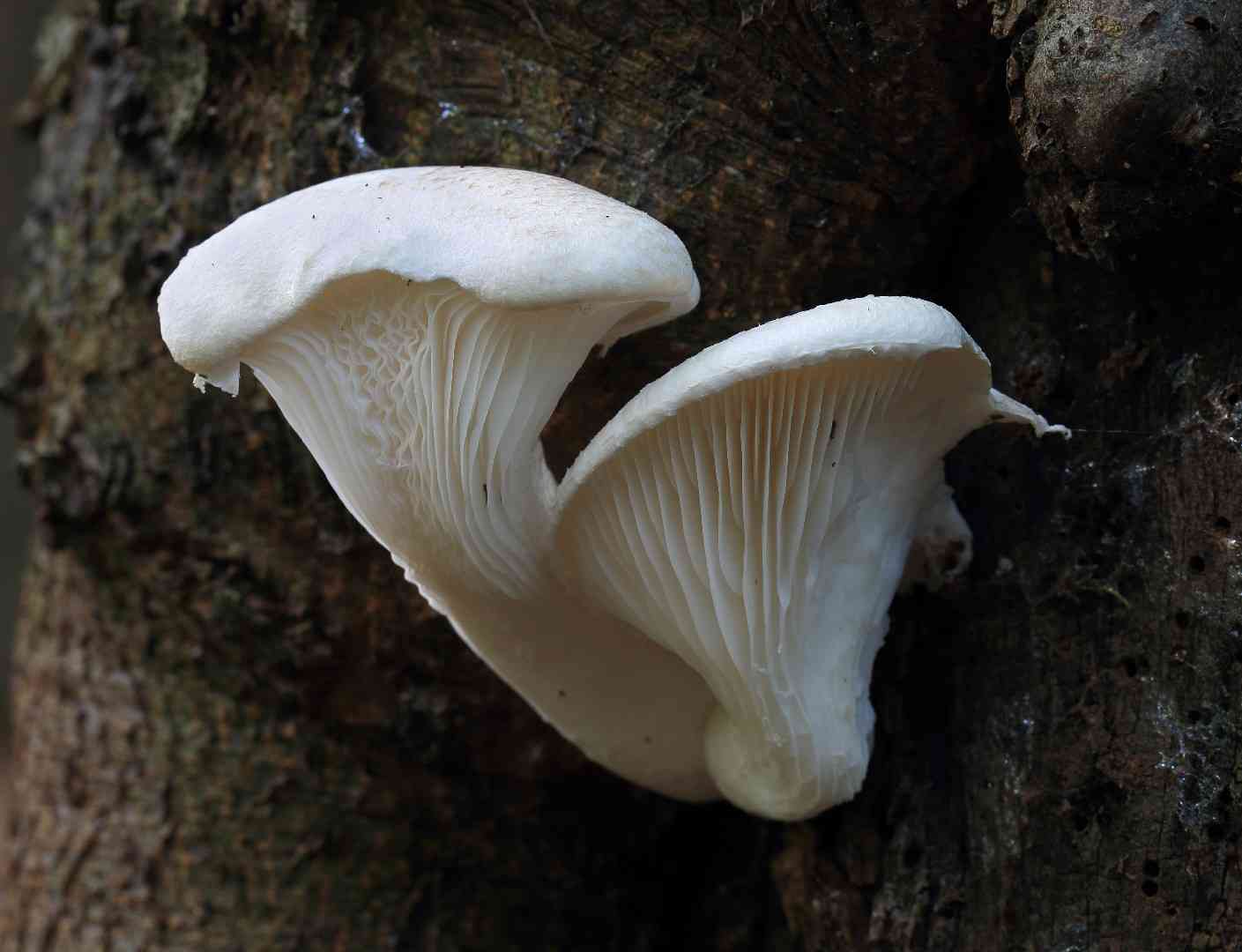
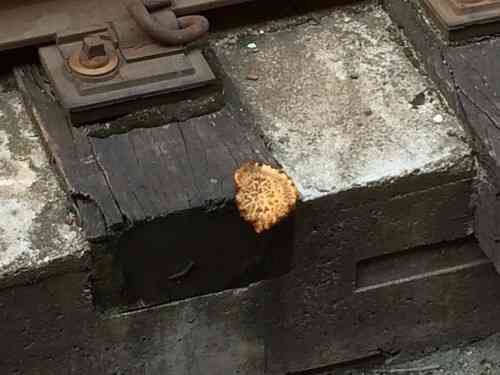
The scaly lentinus (Neolentinus lepideus) mushroom can be observed individually or in clusters, typically growing on dead or decomposing wood. Its remarkable capability to colonize even chemically treated lumber, such as railway ties, has earned it the moniker train wrecker. As there are conflicting reports regarding its edibility and potential for harm, it is advised not to consume it.
In This Article
Attributes of Scaly lentinus
Cap Diameter
3 - 15 cm
Height
3 - 16 cm
Cap
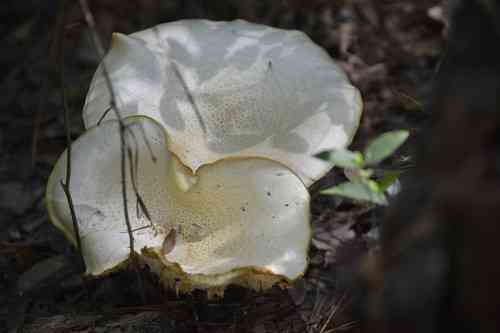
Cap 2 - 15 cm across; convex to flat, weakly funnel-shaped; whitish, brown; surface smooth, with scales
Cap Shape
Convex, Flat
Cap Surfaces
Fibrillose-scaly
Gills
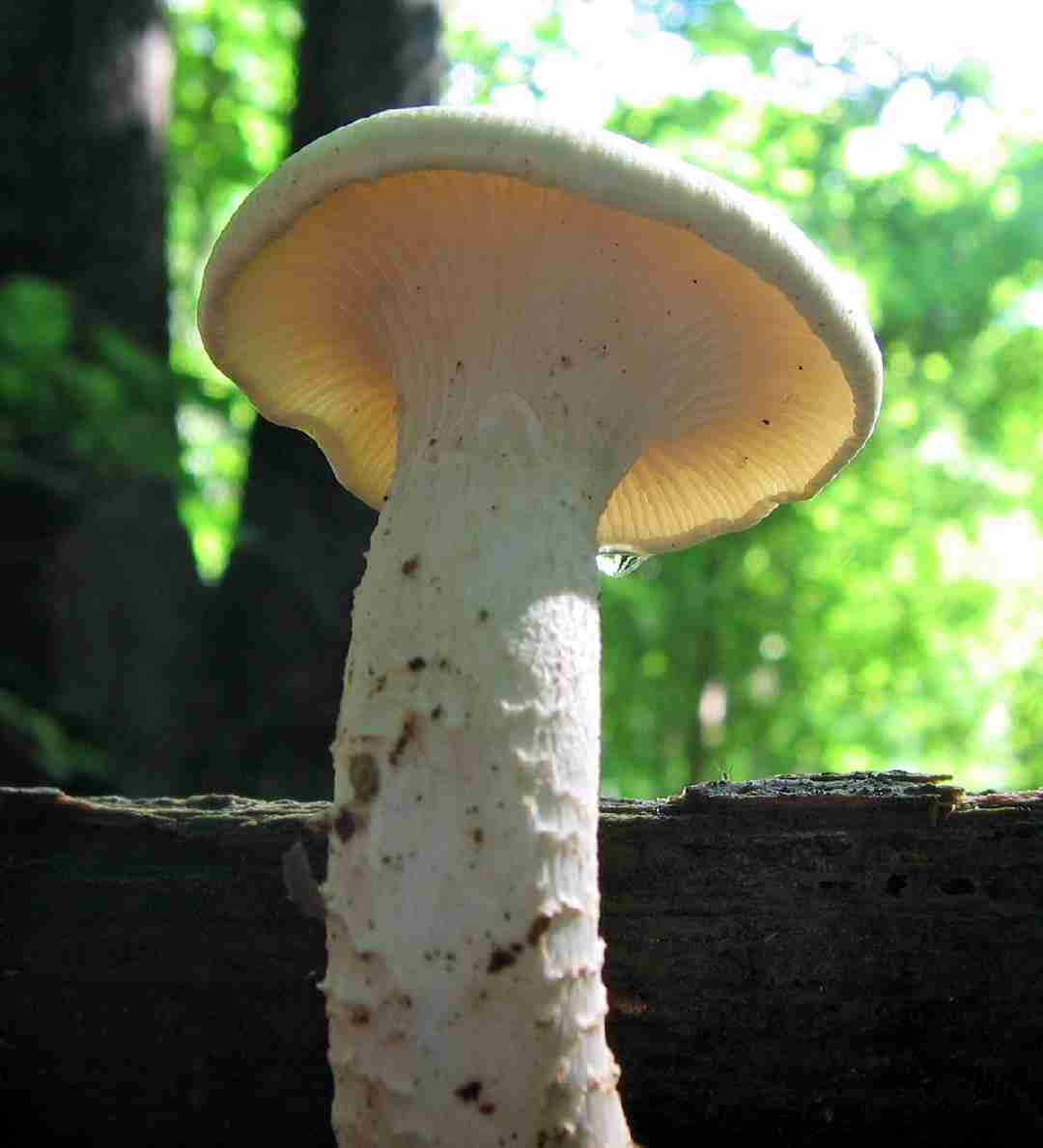
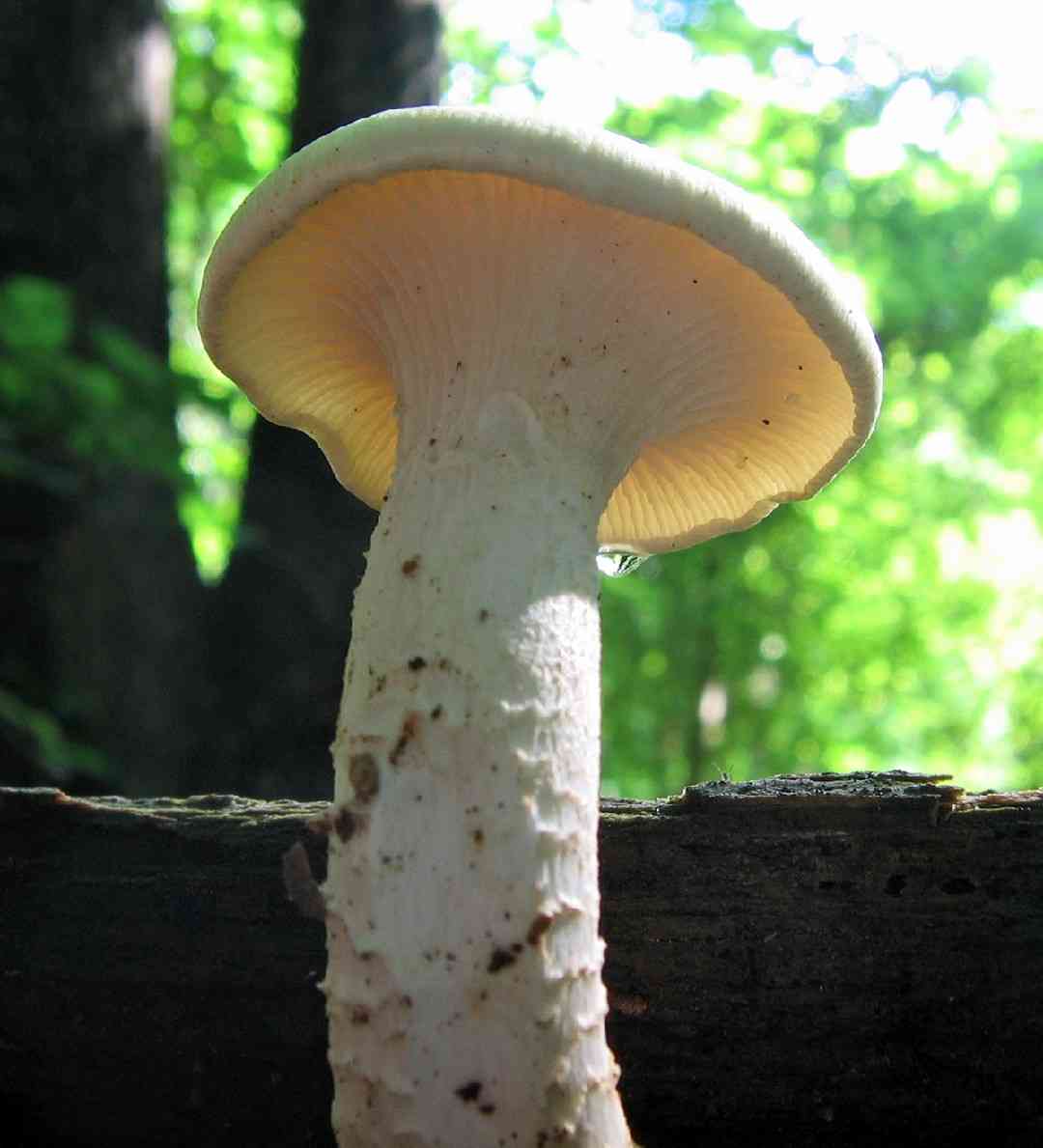
Broadly attached, decurrent; close; whitish
Gill Attachment
Attached
Stem
Stem 2 - 10 cm long, 2 - 4 cm thick; equal; whitish, blackish brown; very tough
Stem Shapes
Cylindrical
Stem Surfaces
Scaly
Flesh
Very tough; white; unchanging when sliced, or turns yellow
Ring
With Ring
Spore Print Color
White
Odor
Faintly fragrant, often suggestive of anise.
Body Color
BrownWhite
Flesh Bruises
The flesh or milk does not discolor when bruised or cut.
Growth Form
Solitary, Gregarious
Nutrient Gathering
Saprophytic
Substrate
Dead Woods
You can find Scaly lentinus by these plants
Pines, Spruces, Scots pine
Occurence Habitats
Coniferous Woodland, Disturbed Lands
Species Status
Widely distributed
Endangered Species
No
Scientific Classification of Scaly lentinus
Phylum
Club fungi
Class
Mushroom-forming fungi
Order
Shelf fungi
Family
Polyporaceae
Genus
Neolentinus
Toxicity and Edibility of Scaly lentinus
Is Scaly lentinus Toxic?
Toxicity information is not available for this mushroom. Always consult with an expert before consuming any wild mushrooms.