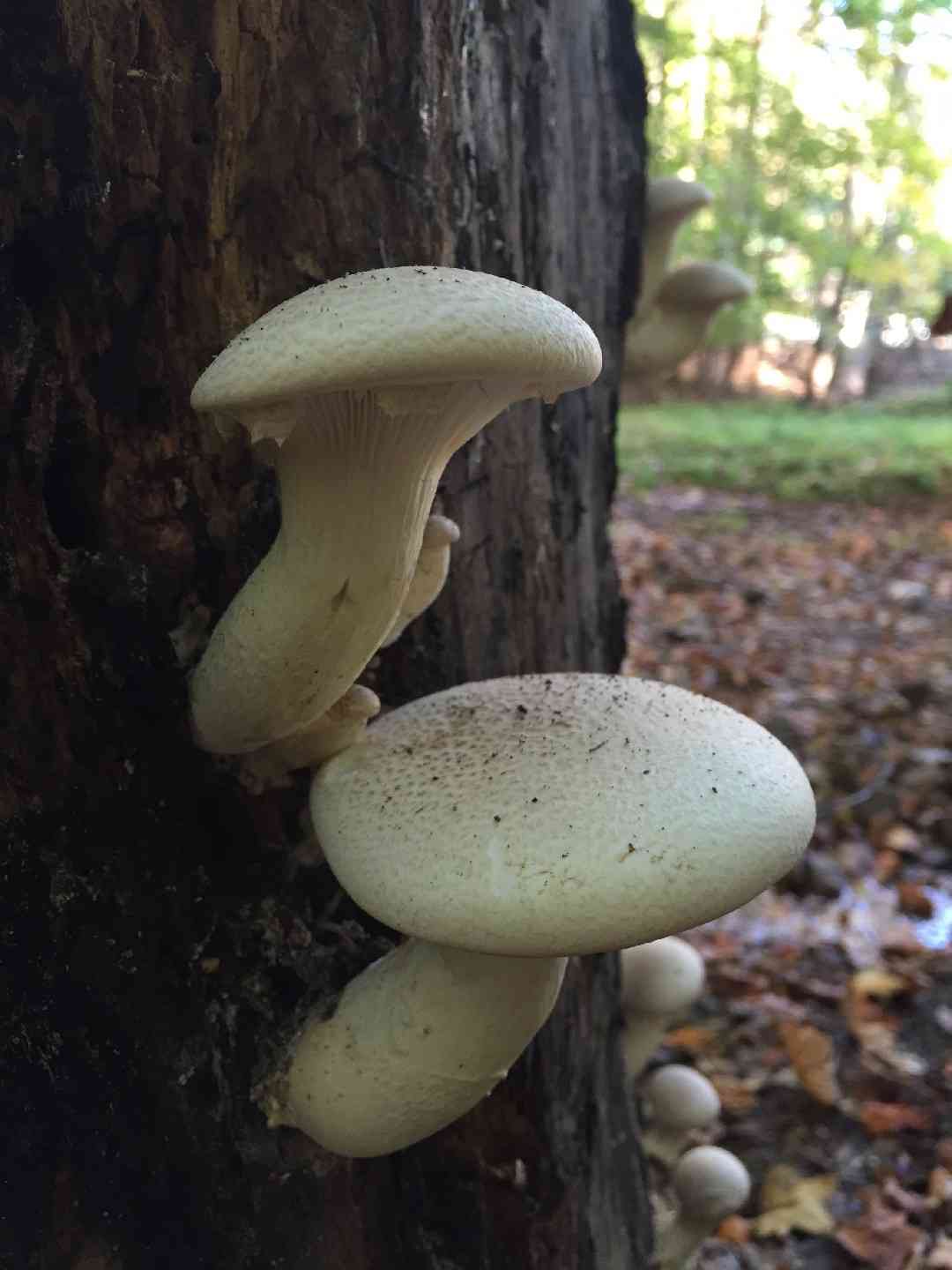
Veiled oyster
Pleurotus dryinus
A species of Oysters. Also known as Veiled oyster mushroom.
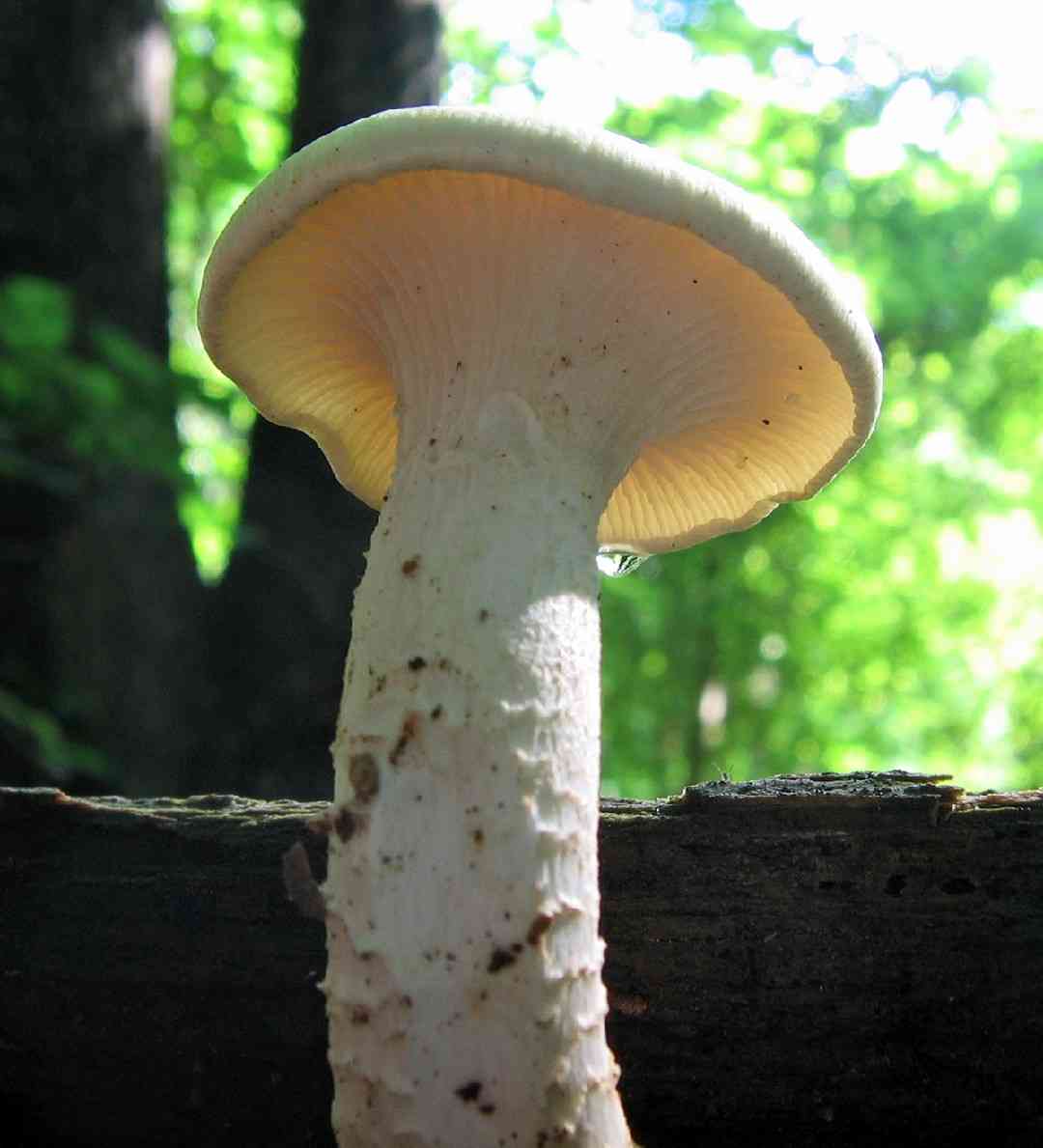
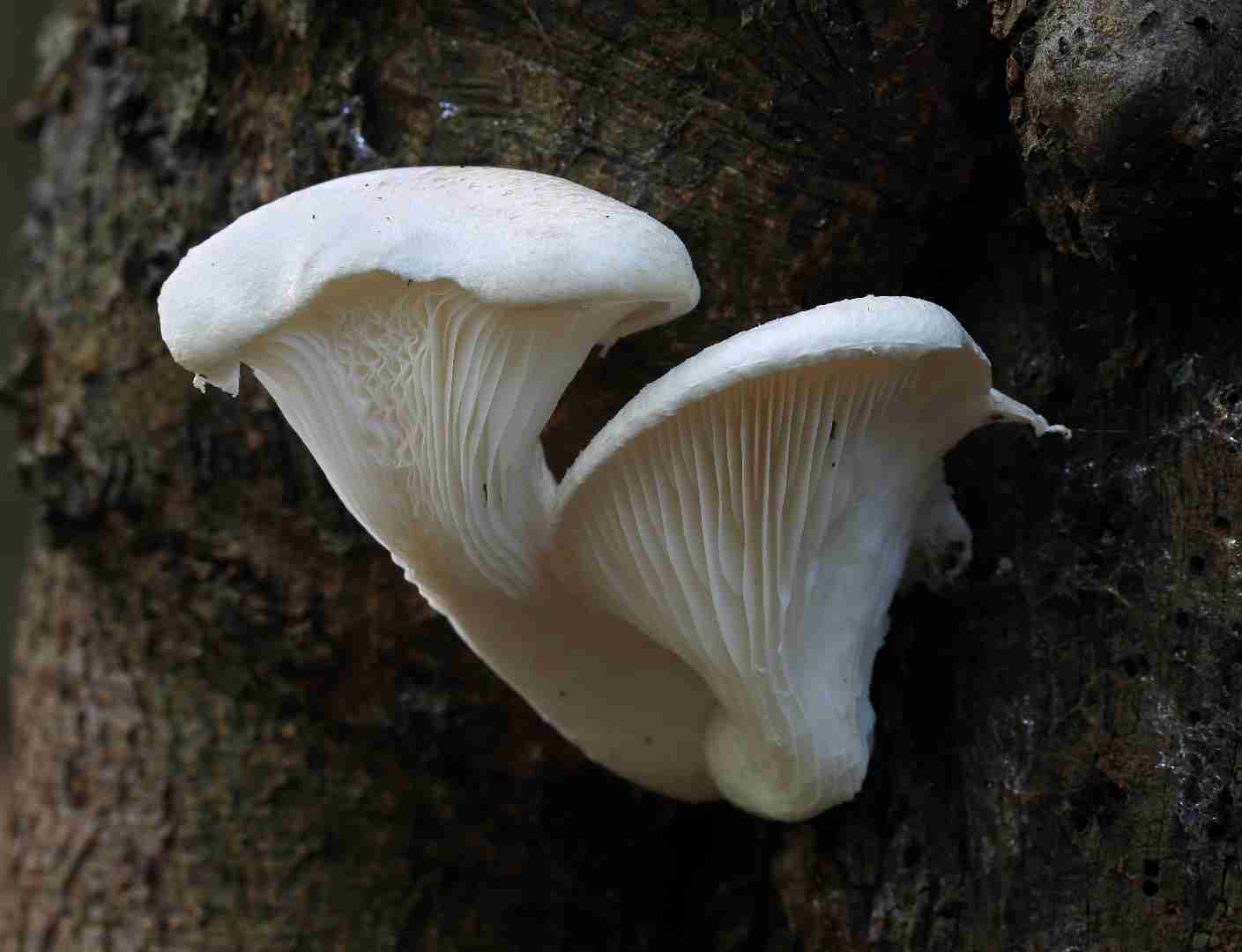
As the Veiled oyster (Pleurotus dryinus) matures, its coloration tends towards a more pronounced yellow. This fungus can be found growing on both deceased and living timber, often having an association with oak trees. It typically grows in isolation or small clusters, preferring not to be near other members of its species. Gathering this mushroom for consumption is discouraged.
In This Article
Attributes of Veiled oyster
Cap Diameter
5 - 15 cm
Height
5 - 10 cm
Cap
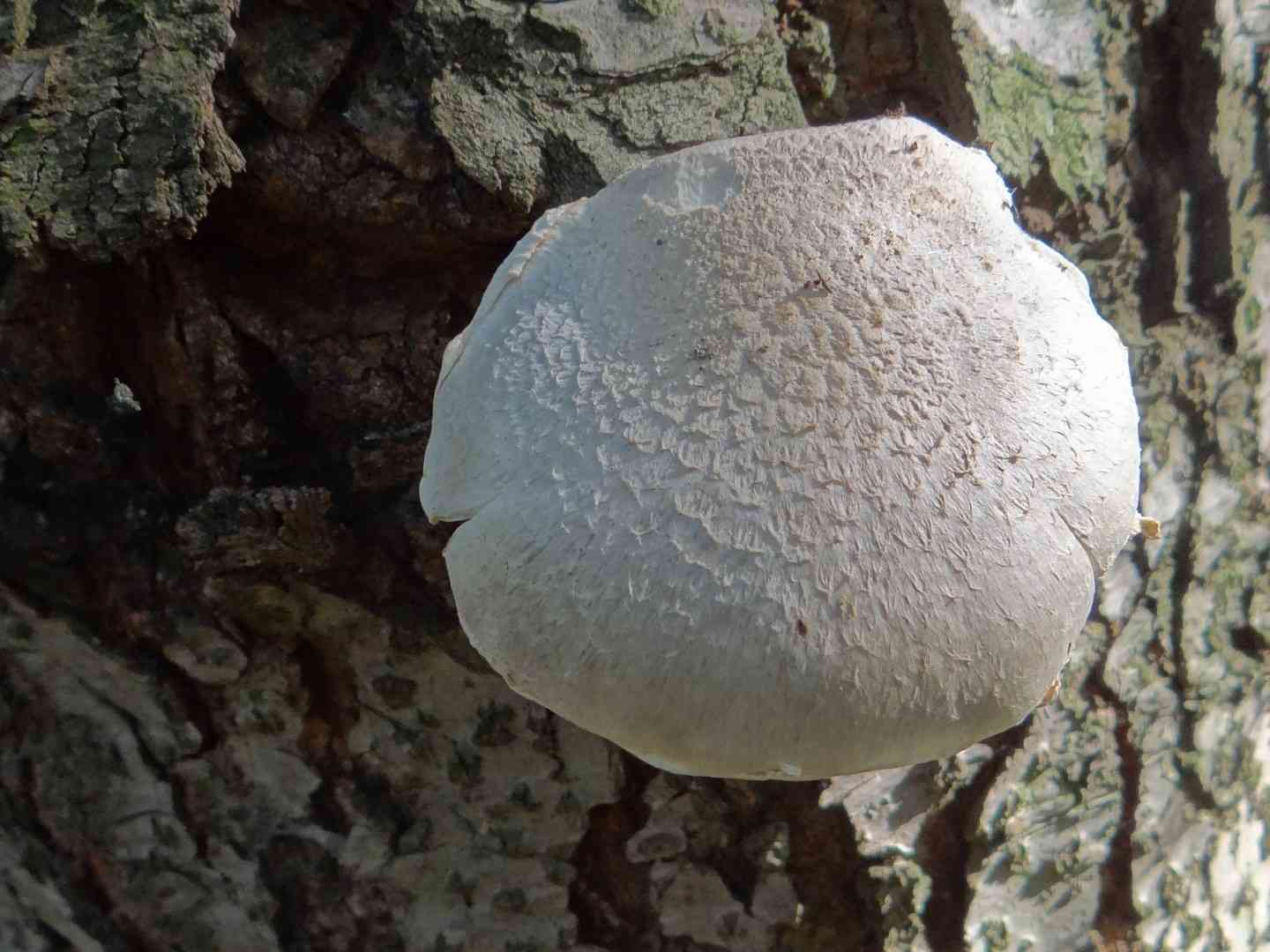
Cap about 13 cm; pale, greyish, yellowish
Cap Shape
Convex, Flat, Central Bump
Cap Surfaces
Fibrillose-scaly
Gills
Decurren; white or cream
Gill Attachment
Decurrent
Stem
Stem up to about 8 cm long; lateral; whitish or pale brownish
Stem Shapes
Cylindrical
Stem Surfaces
Smooth to slightly fibrous
Flesh
May be monomitic or dimitic; tough consistency
Ring
With Ring
Spore Print Color
White
Odor
Mildly mushroomy, generally indistinct.
Body Color
BrownYellowGrayWhite
Flesh Bruises
Discolor to yellowish
Growth Form
Solitary, Gregarious
Nutrient Gathering
Saprophytic
Substrate
Dead Woods, Wood of Living Trees
You can find Veiled oyster by these plants
American beech, Spruces, Populus
Occurence Habitats
Deciduous Woodland
Species Status
Distributed throughout Europe
Endangered Species
No
Scientific Classification of Veiled oyster
Phylum
Club fungi
Class
Mushroom-forming fungi
Order
Gilled fungi
Family
The tree mushroom family
Genus
Oysters
Toxicity and Edibility of Veiled oyster
Is Veiled oyster Toxic?
Toxicity information is not available for this mushroom. Always consult with an expert before consuming any wild mushrooms.