Garlic parachute
Mycetinis alliaceus
A species of Mycetinis.
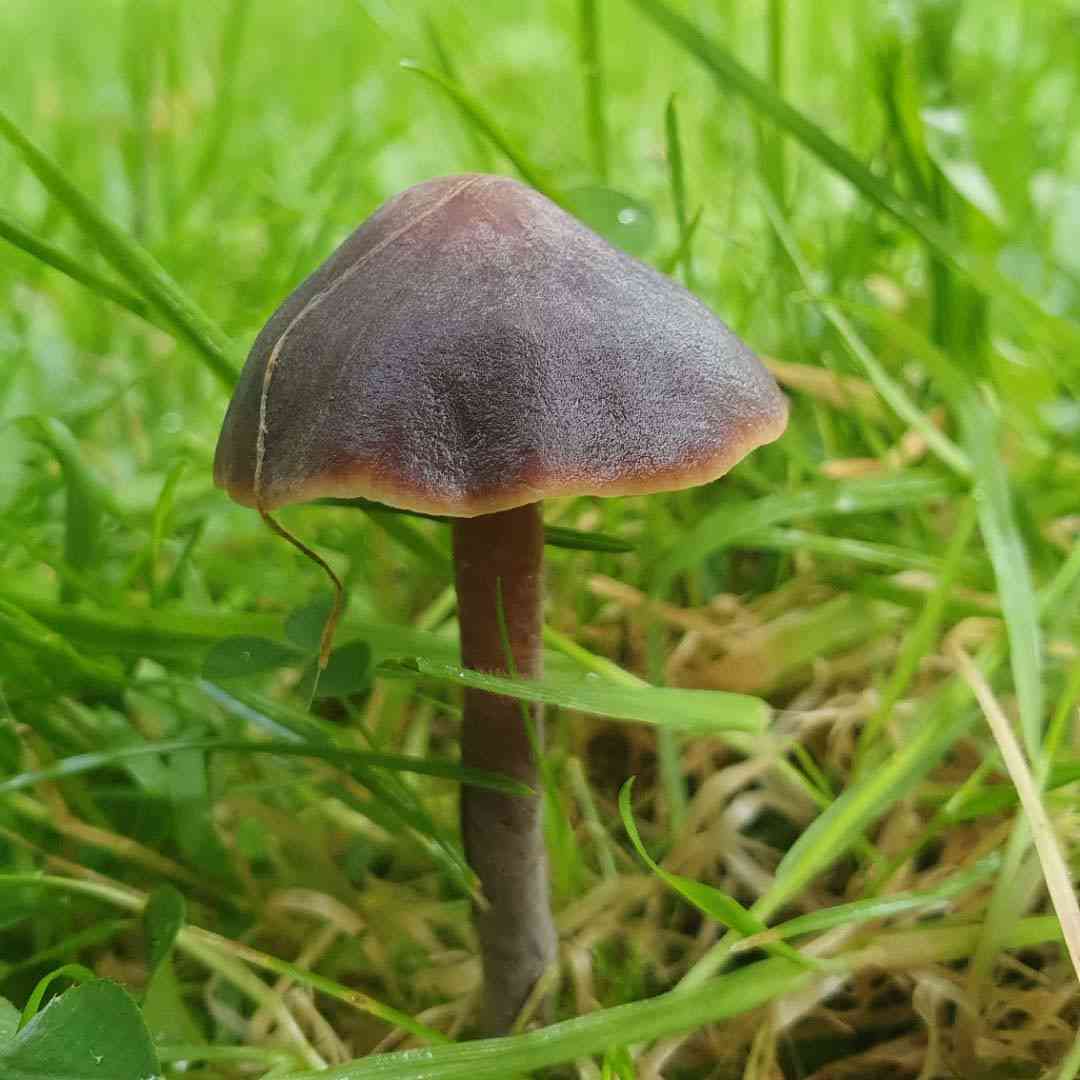
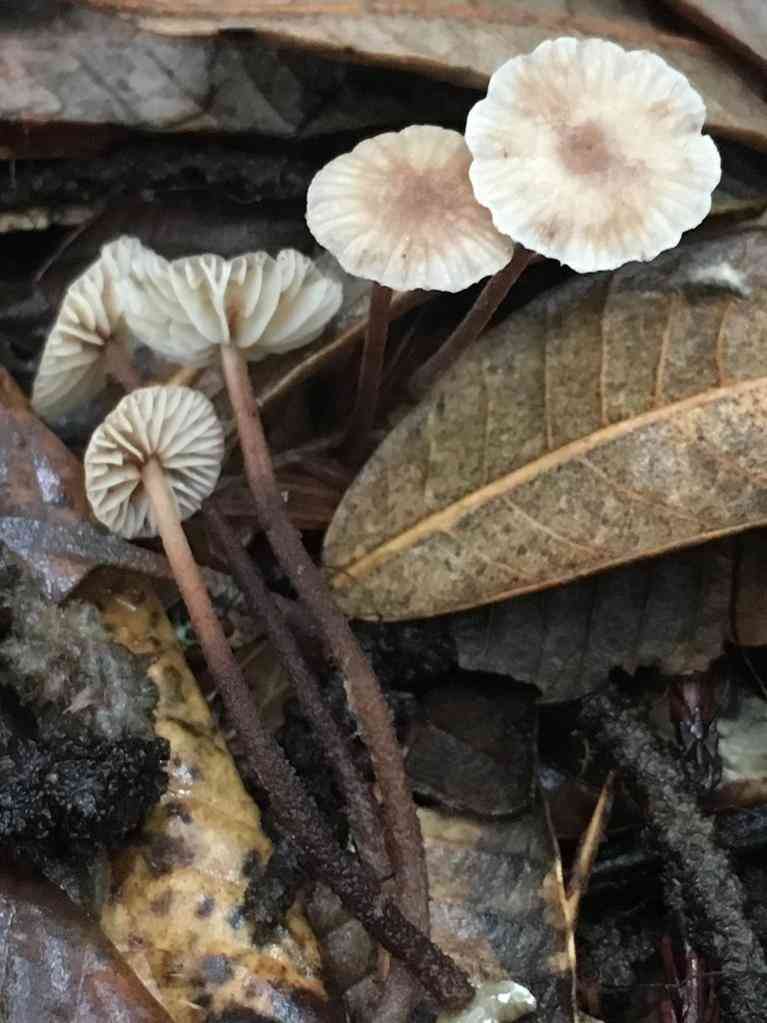
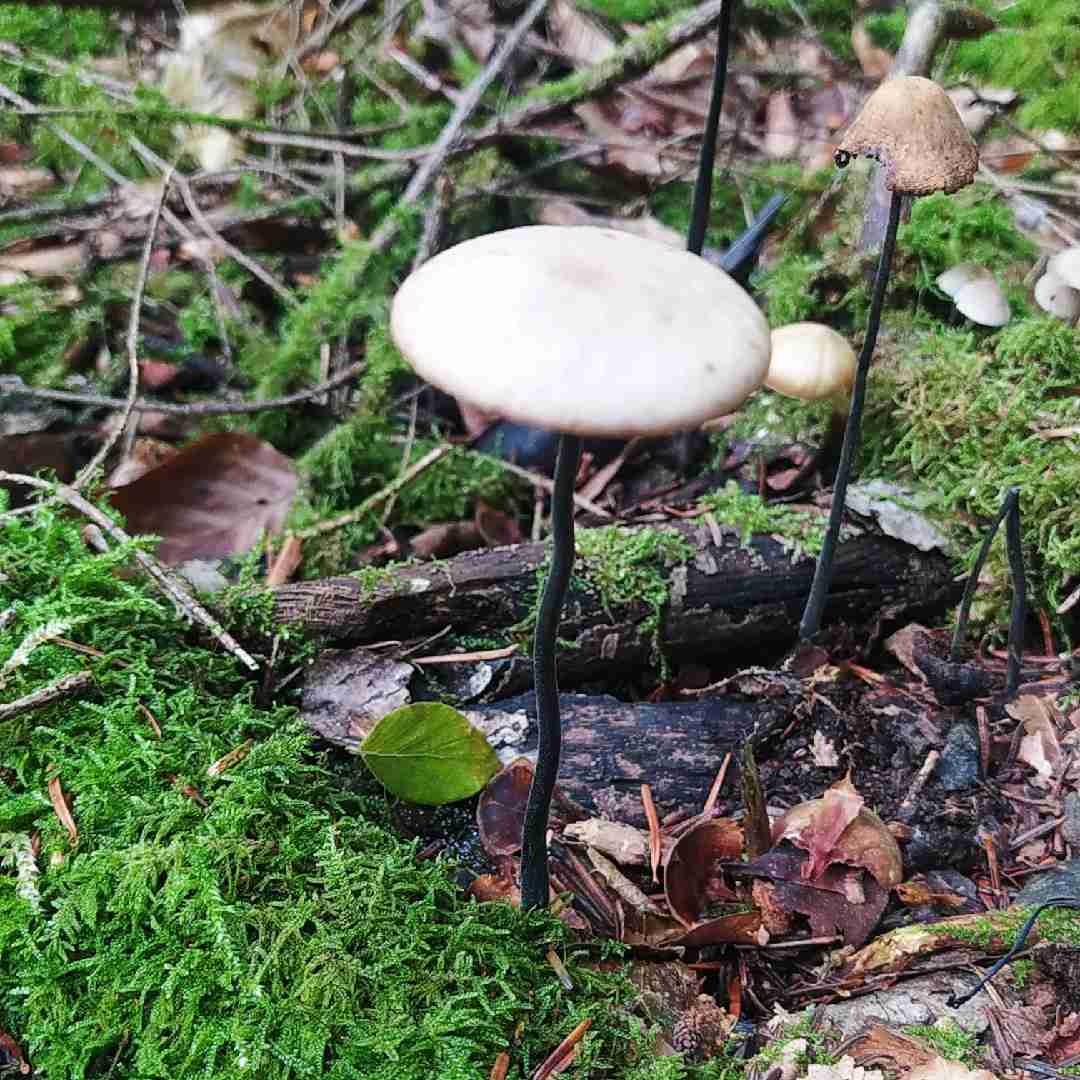
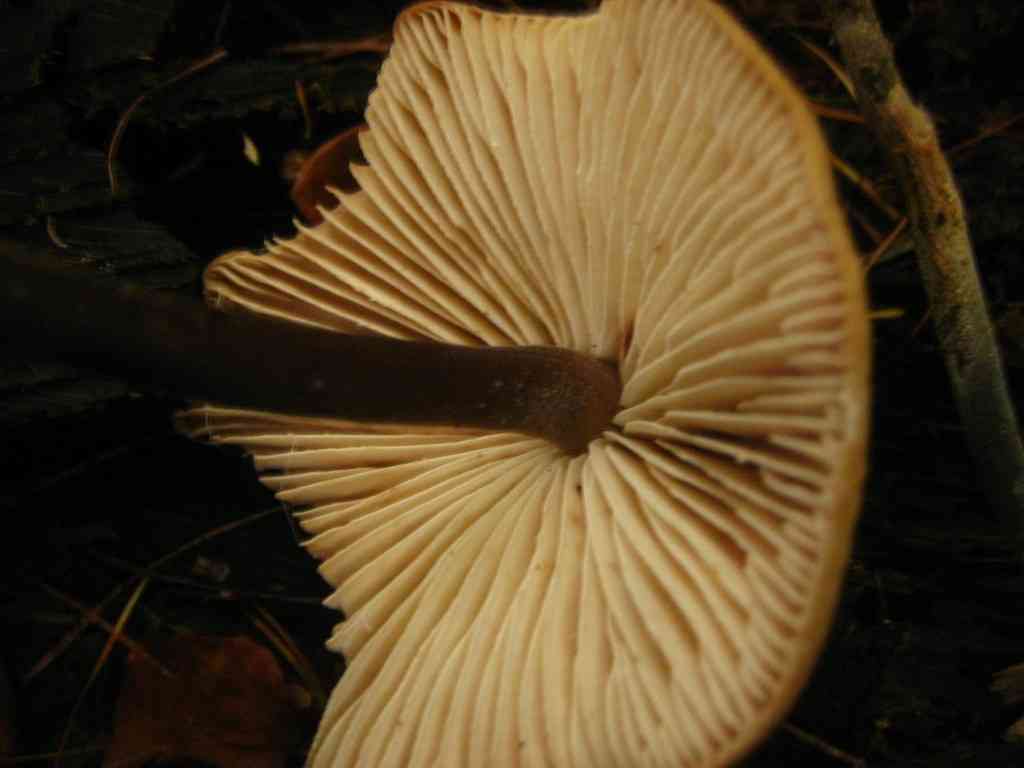
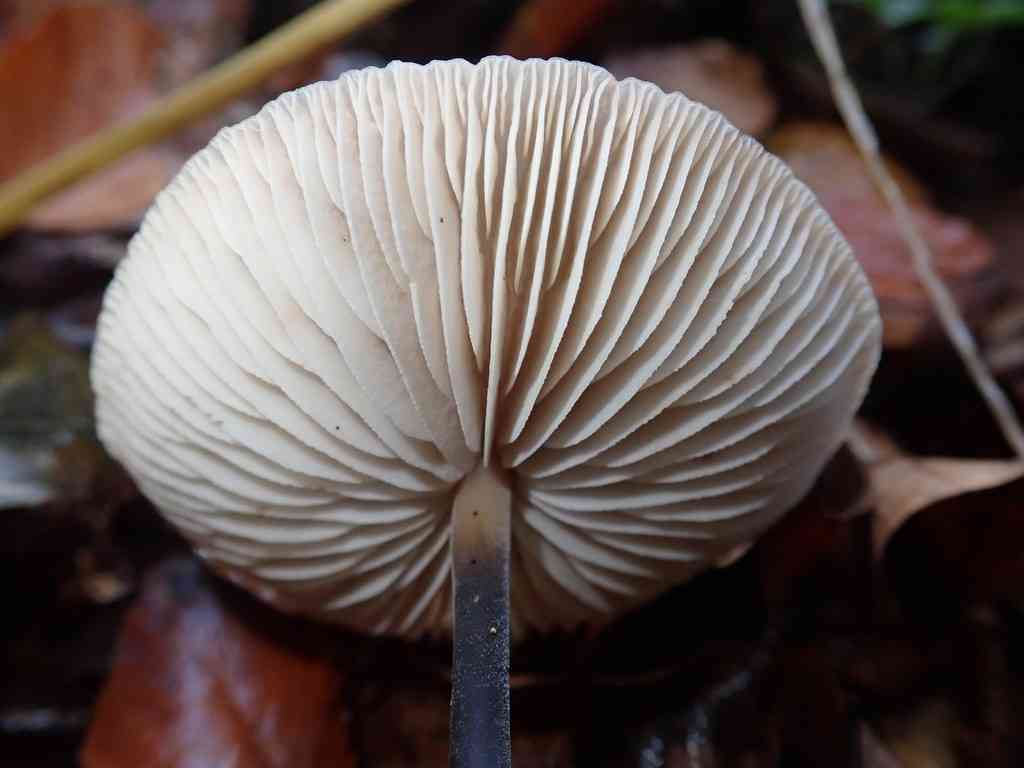
The aptly named garlic parachute mushroom provides two hints for identification. Its slender stem and broad cap distinctly resemble a parachute. Furthermore, it emits a powerful garlic-like scent and is commonly discovered among leaf litter and rotting wood.
In This Article
Attributes of Garlic parachute
Cap Diameter
2 - 10 cm
Height
6 - 20 cm
Cap
Cap 2 - 4 cm in diameter; convex, expanding to flat; beige, ochre or flesh-coloured; smooth, sometimes wrinkled
Cap Surfaces
Visible lines or stripes
Gills
Arrowly attached to the stem; whitish with pinkish to grayish tints
Gill Attachment
Attached
Stem
Stem 15 cm tall, up to 3 mm thick; often flattened; black below, brown near the top; finely velvety
Stem Shapes
Cylindrical
Flesh
Fragile
Ring
Ringless
Spore Print Color
White
Odor
Strong, reminiscent of garlic.
Body Color
BrownBlackYellow
Flesh Bruises
The flesh or milk does not discolor when bruised or cut.
Growth Form
Solitary, Scattered, Gregarious
Nutrient Gathering
Saprophytic
Substrate
On wood
You can find Garlic parachute by these plants
European beech, Oaks
Endangered Species
No
Scientific Classification of Garlic parachute
Phylum
Club fungi
Class
Mushroom-forming fungi
Order
Gilled fungi
Family
Marasmiaceae
Genus
Mycetinis
Toxicity and Edibility of Garlic parachute
Is Garlic parachute Toxic?
Toxicity information is not available for this mushroom. Always consult with an expert before consuming any wild mushrooms.