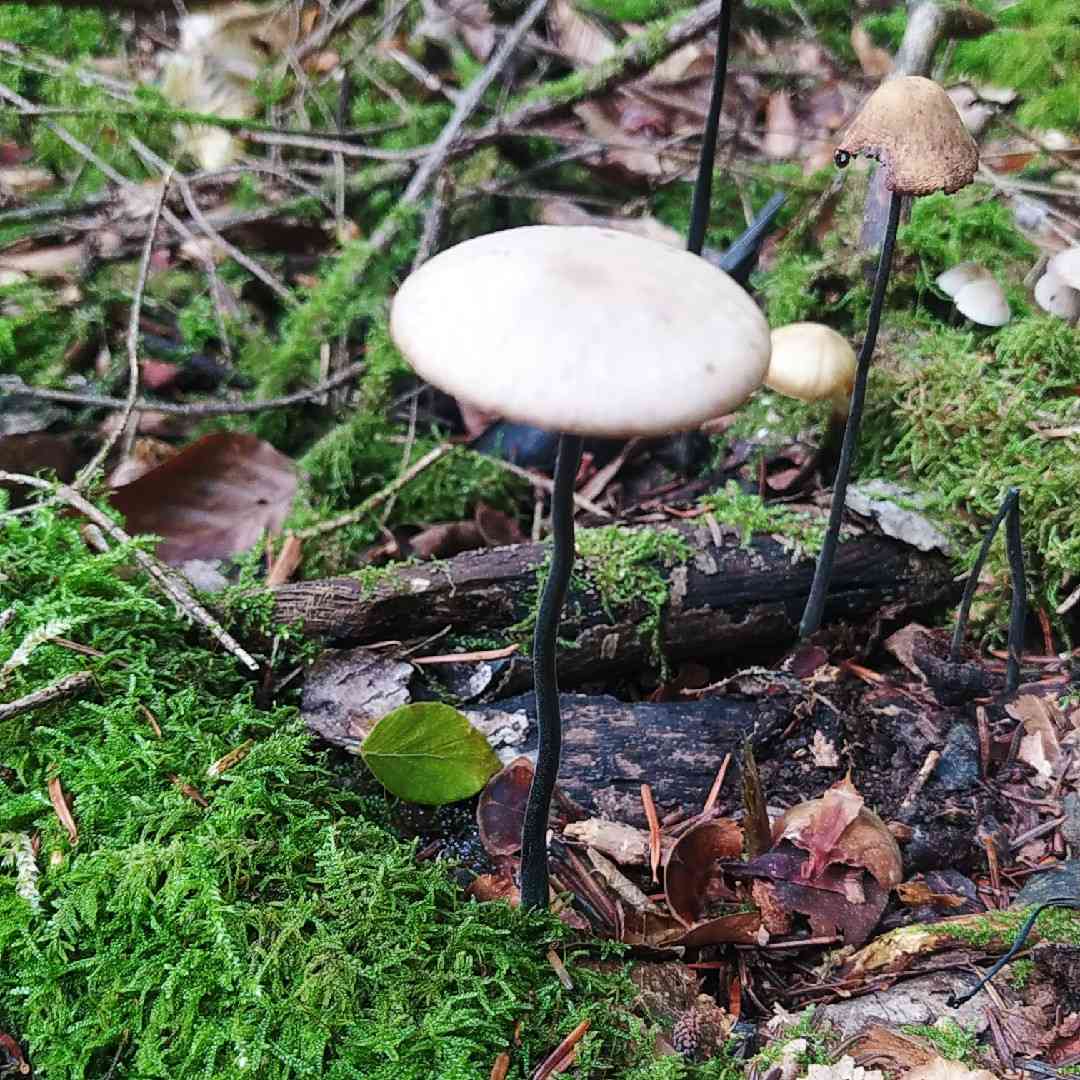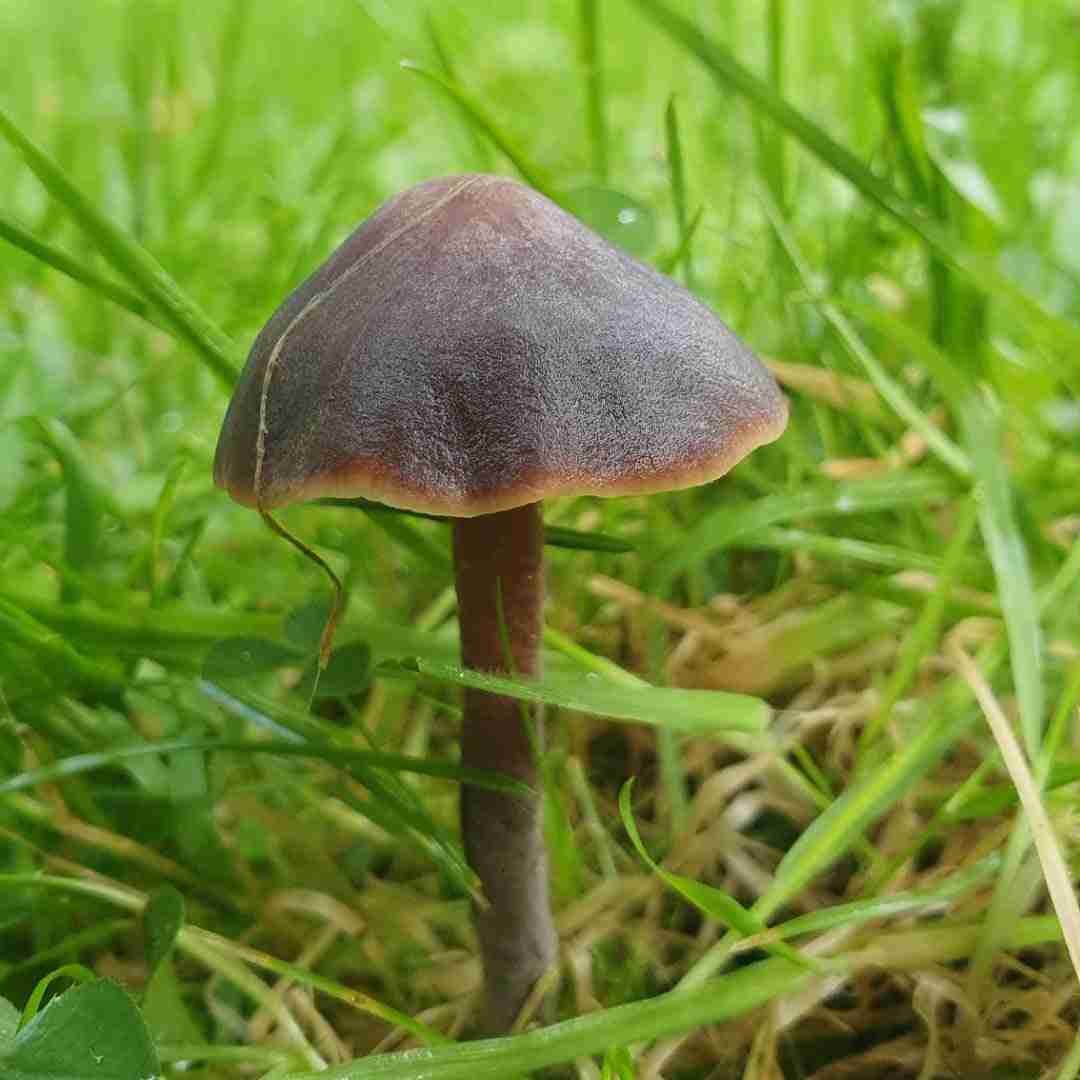
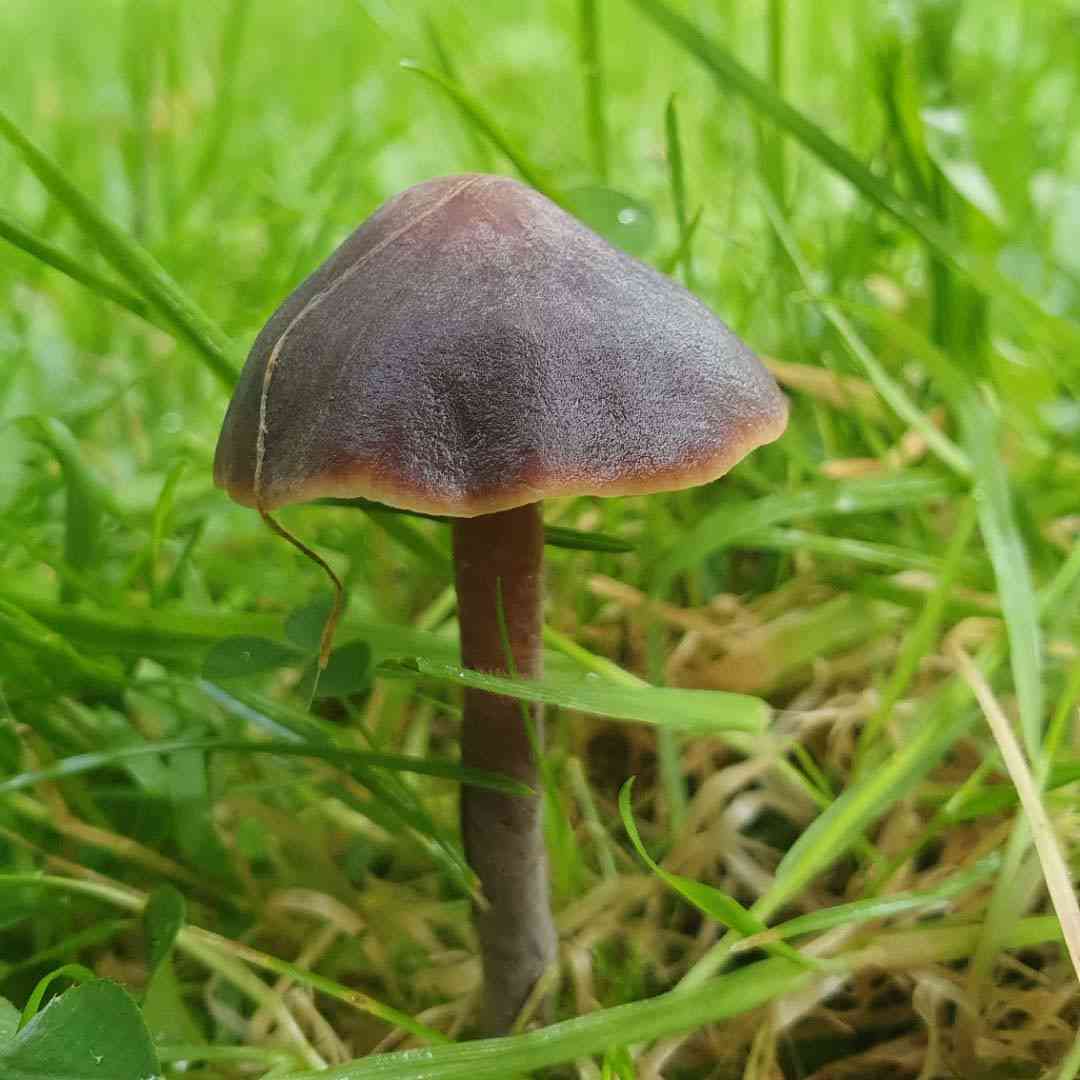
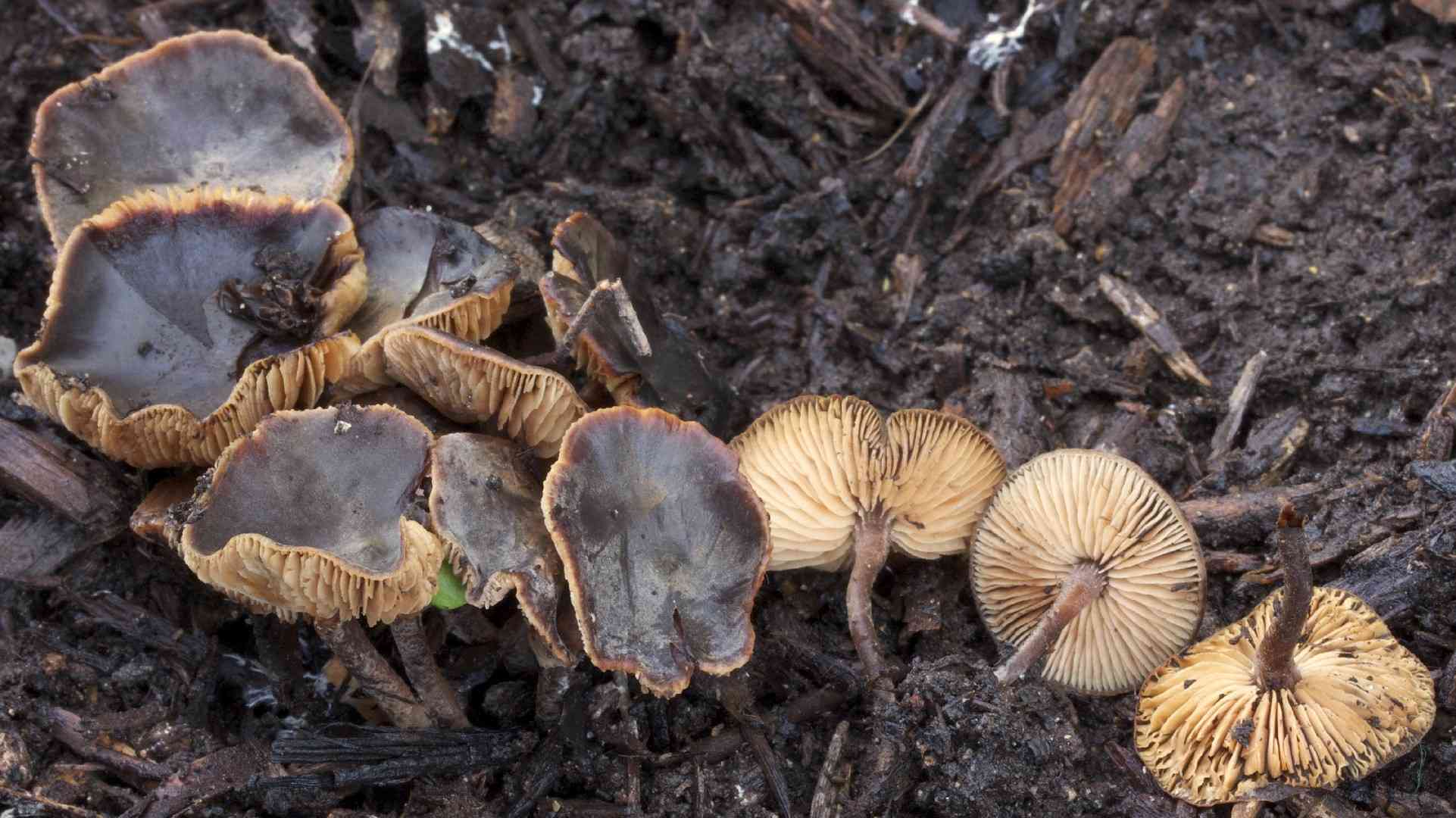
Cucumber cap
Macrocystidia cucumis
A species of Macrocystidia.
While once thought to be uncommon, the cucumber cap mushroom is now encountered more frequently, as it often proliferates in areas mulched with wood chips. Its name, Cucumber cap, is derived from its distinct scent, reminiscent of cucumbers. Nonetheless, some individuals perceive this aroma as 'fishy'.
In This Article
Attributes of Cucumber cap
Cap Diameter
1 - 6 cm
Height
2 - 8 cm
Cap
Cap 1 - 6 cm across; bell-shaped, broadly bell-shaped, broadly convex, nearly flat; dark reddish brown; smooth
Cap Shape
Bell-shaped, Convex, Flat
Cap Surfaces
Smooth, Velvety
Gills
Adnexed; close; whitish to pinkish yellow
Gill Attachment
Notched
Stem
Stem up to 8 cm long and 5 mm thick; more or less equal; colored like the cap; dry, tough
Stem Shapes
Cylindrical
Stem Surfaces
Smooth to slightly fibrous
Flesh
Insubstantial; brownish
Ring
Ringless
Spore Print Color
Whitish to pale pinkish-brown
Odor
Cucumber-like, becomes fishy with age.
Body Color
BrownRed
Flesh Bruises
The flesh or milk does not discolor when bruised or cut.
Growth Form
Solitary, Scattered, Gregarious
Nutrient Gathering
Saprophytic
Substrate
On soil, Dead Woods, Wood Chips or Mulch, Leaf or Needle Litter
You can find Cucumber cap by these plants
Spruces, Firs
Occurence Habitats
Deciduous Woodland, Coniferous Woodland, Disturbed Lands
Species Status
Fairly widely distributed
Endangered Species
No
Scientific Classification of Cucumber cap
Phylum
Club fungi
Class
Mushroom-forming fungi
Order
Gilled fungi
Family
Marasmiaceae
Genus
Macrocystidia
Toxicity and Edibility of Cucumber cap
Is Cucumber cap Toxic?
Toxicity information is not available for this mushroom. Always consult with an expert before consuming any wild mushrooms.