Carrot milkcap
Lactarius quieticolor
A species of Milk-caps.
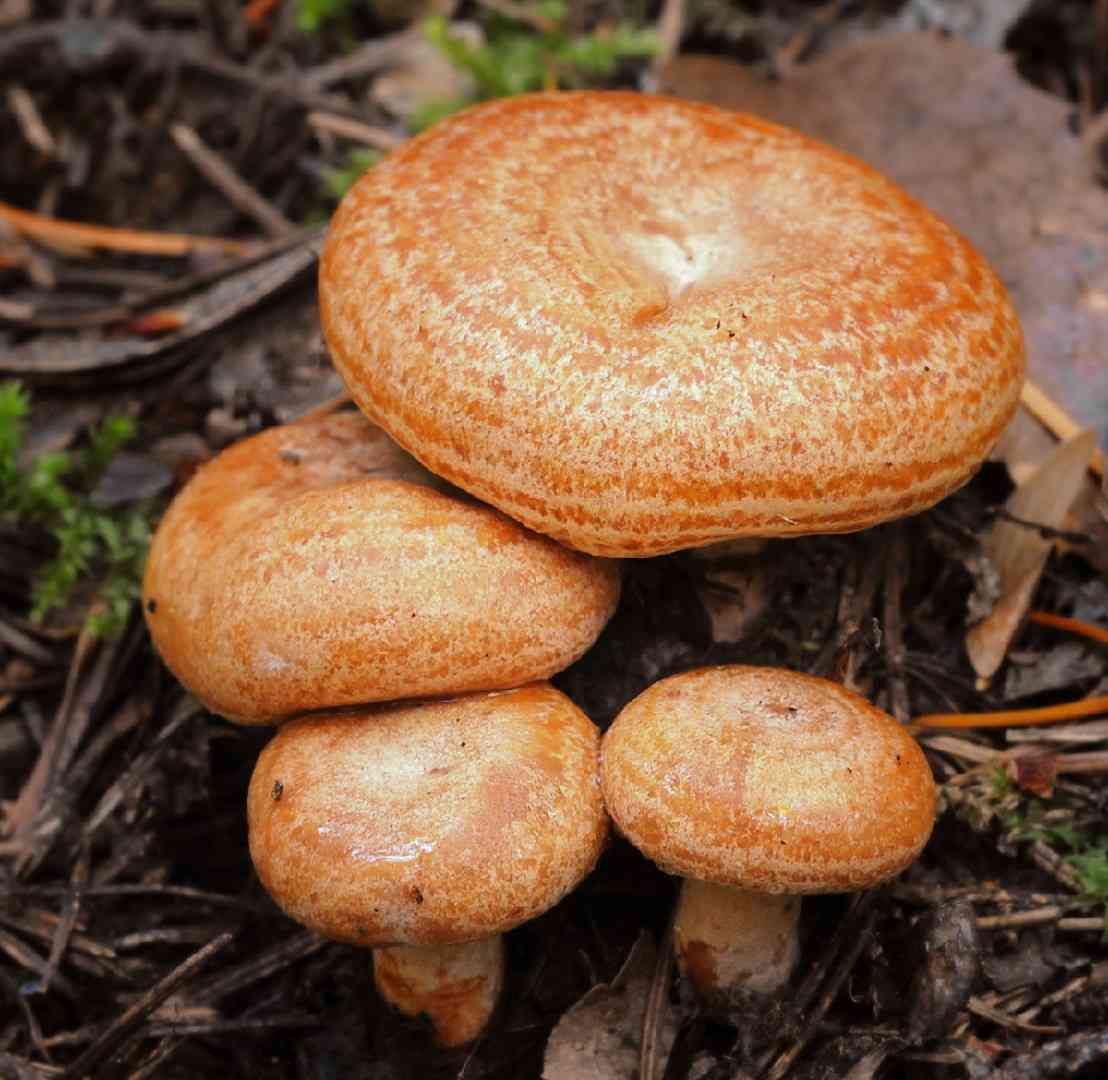
Lactarius deliciosus is recognized by its robust stalk and a cap displaying a range of hues, frequently mirroring the color of carrots. This fungi exudes a milky liquid when its flesh is bruised. It commonly thrives in forested environments, establishing symbiotic connections with trees that are vital for the nutrient exchange of both organisms.
In This Article
Attributes of Carrot milkcap
Cap Diameter
4 - 12 cm
Height
2.5 - 7 cm
Cap
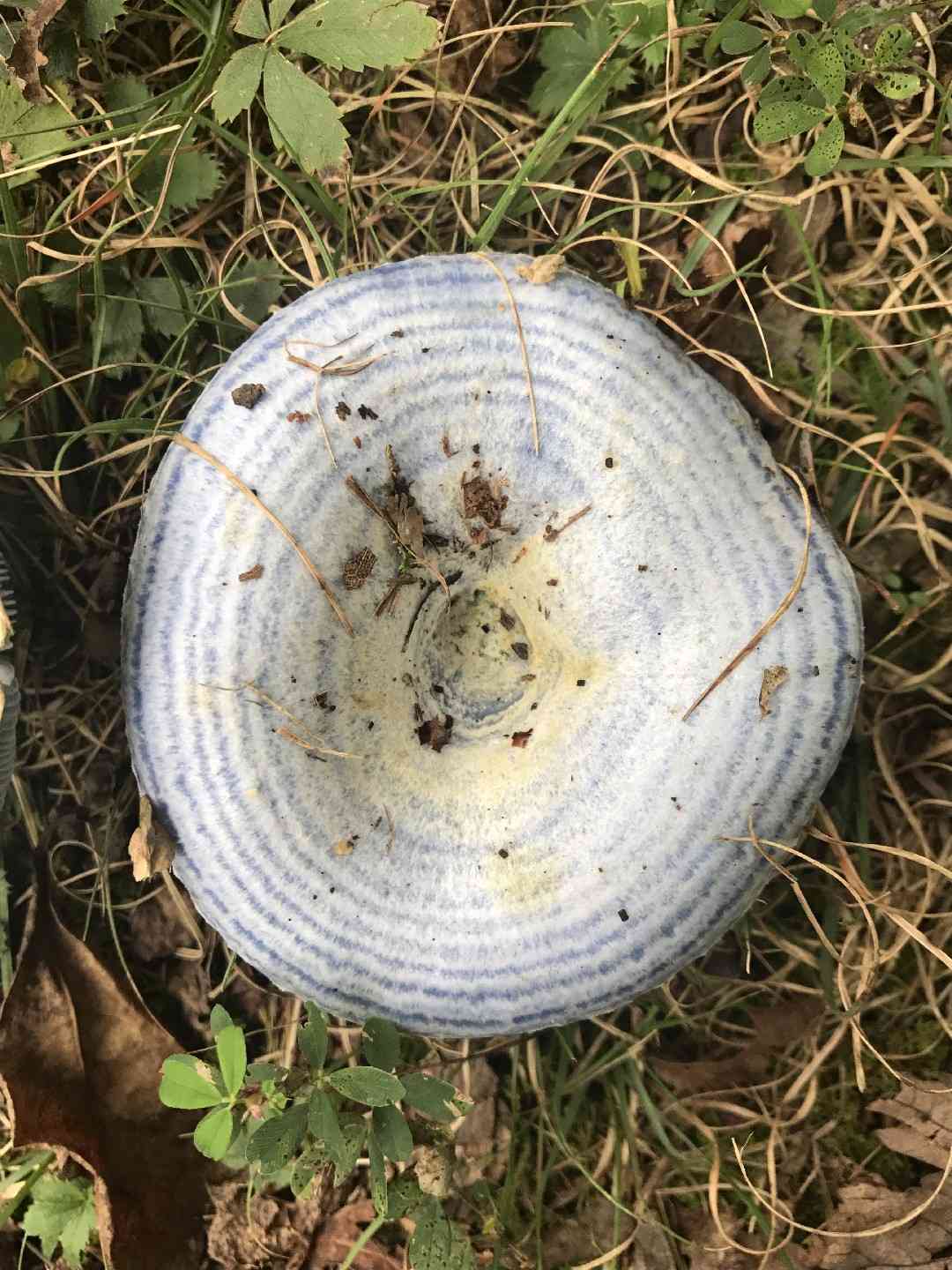
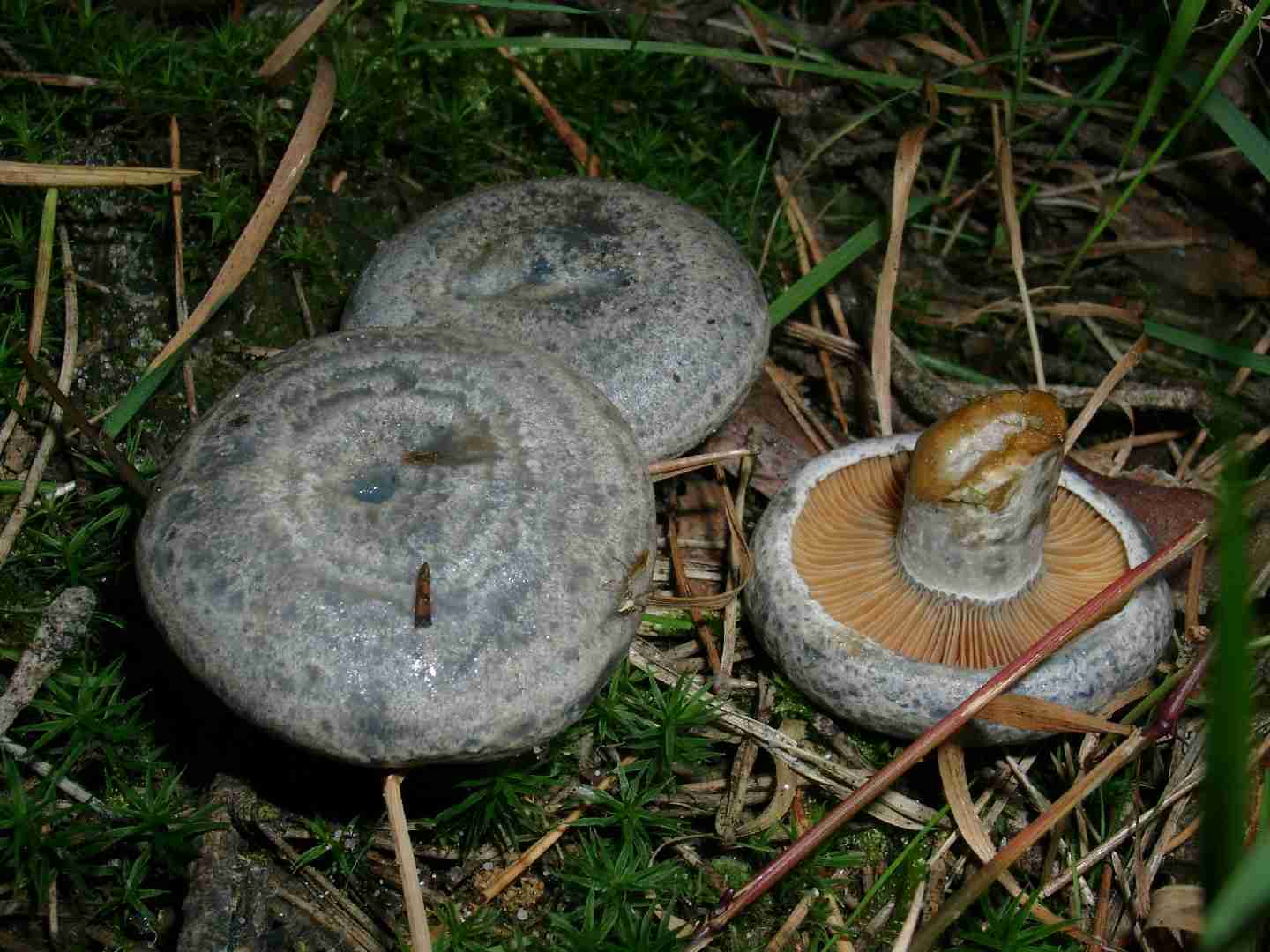
Cap 7 cm width; convex to flat; brown; silky when dry, viscid when damp
Cap Shape
Convex, Depressed
Gill Attachment
Attached
Stem
Stem 4 cm height, 1.5 cm thick, cylindrical, without ring; same colour as cap or paler
Flesh
Texture is grainy; bright orange, turns inaceous-brown when exposed to air
Ring
Ringless
Spore Print Color
Cream
Odor
Pleasant, mild fungus-like scent.
Body Color
BrownGreenRedGrayPurple
Flesh Bruises
Discolor to pink or red
Growth Form
Solitary, Scattered
Nutrient Gathering
Mycorrhizal
Substrate
On soil
You can find Carrot milkcap by these plants
Oaks, Pines, Spruces, Scots pine
Species Status
Distributed in Norway
Endangered Species
Yes
Scientific Classification of Carrot milkcap
Phylum
Club fungi
Class
Mushroom-forming fungi
Order
Russulales
Family
Russulaceae
Genus
Milk-caps
Toxicity and Edibility of Carrot milkcap
Is Carrot milkcap Toxic?
Toxicity information is not available for this mushroom. Always consult with an expert before consuming any wild mushrooms.