Saffron milk cap
Lactarius deliciosus
A species of Milk-caps. Also known as Red pine mushroom.
The saffron milk cap, naturally occurring across the northern hemisphere and established in Australia, is a common sight in pine forests during the autumn months. These mushrooms, as their name suggests, have a long history of culinary use. However, some people may experience digestive discomfort after consumption, and there's a potential for heavy metal contamination, so careful foraging is advised.
In This Article
Attributes of Saffron milk cap
Cap Diameter
4 - 14 cm
Height
5 - 8 cm
Cap
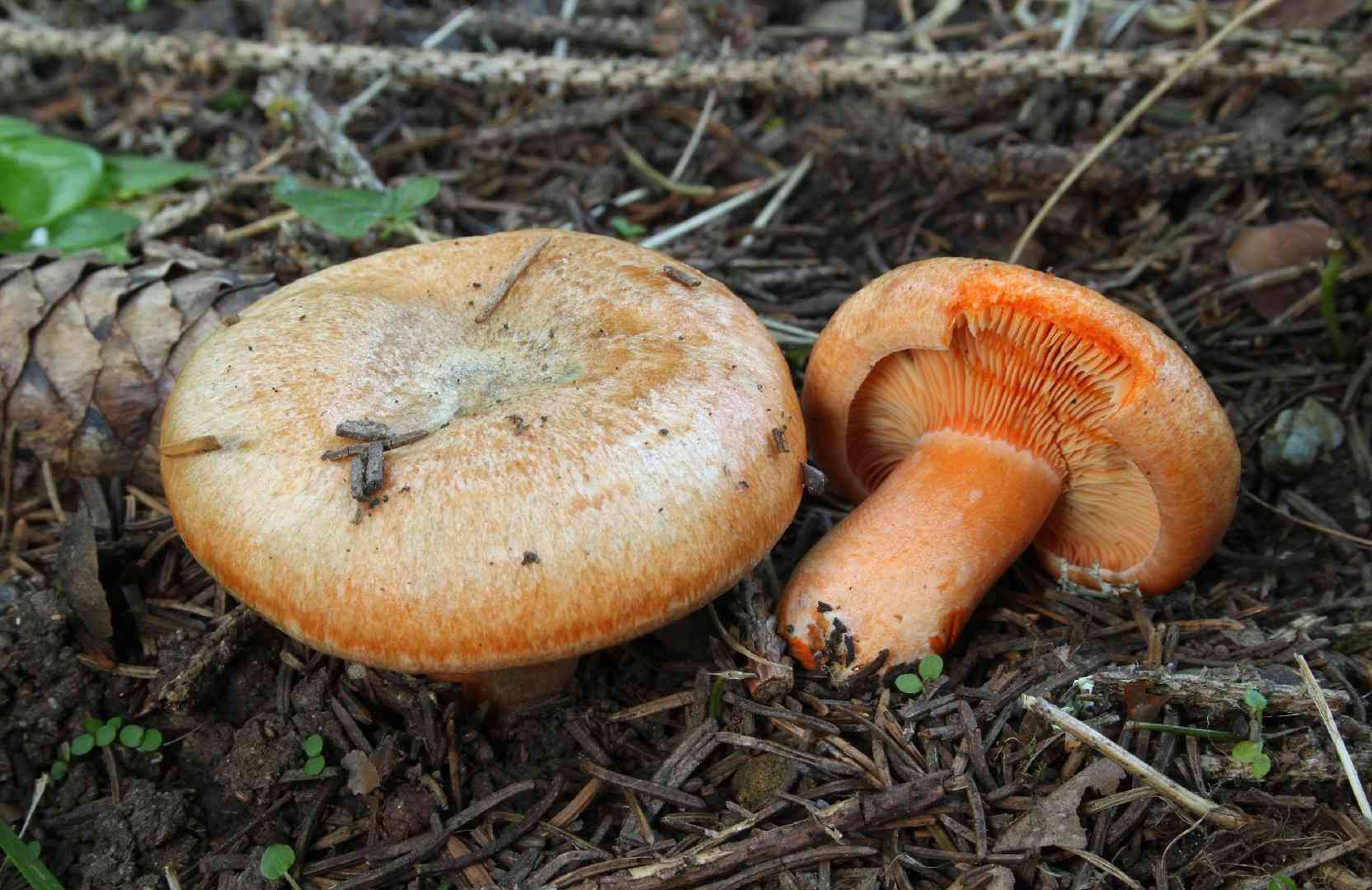
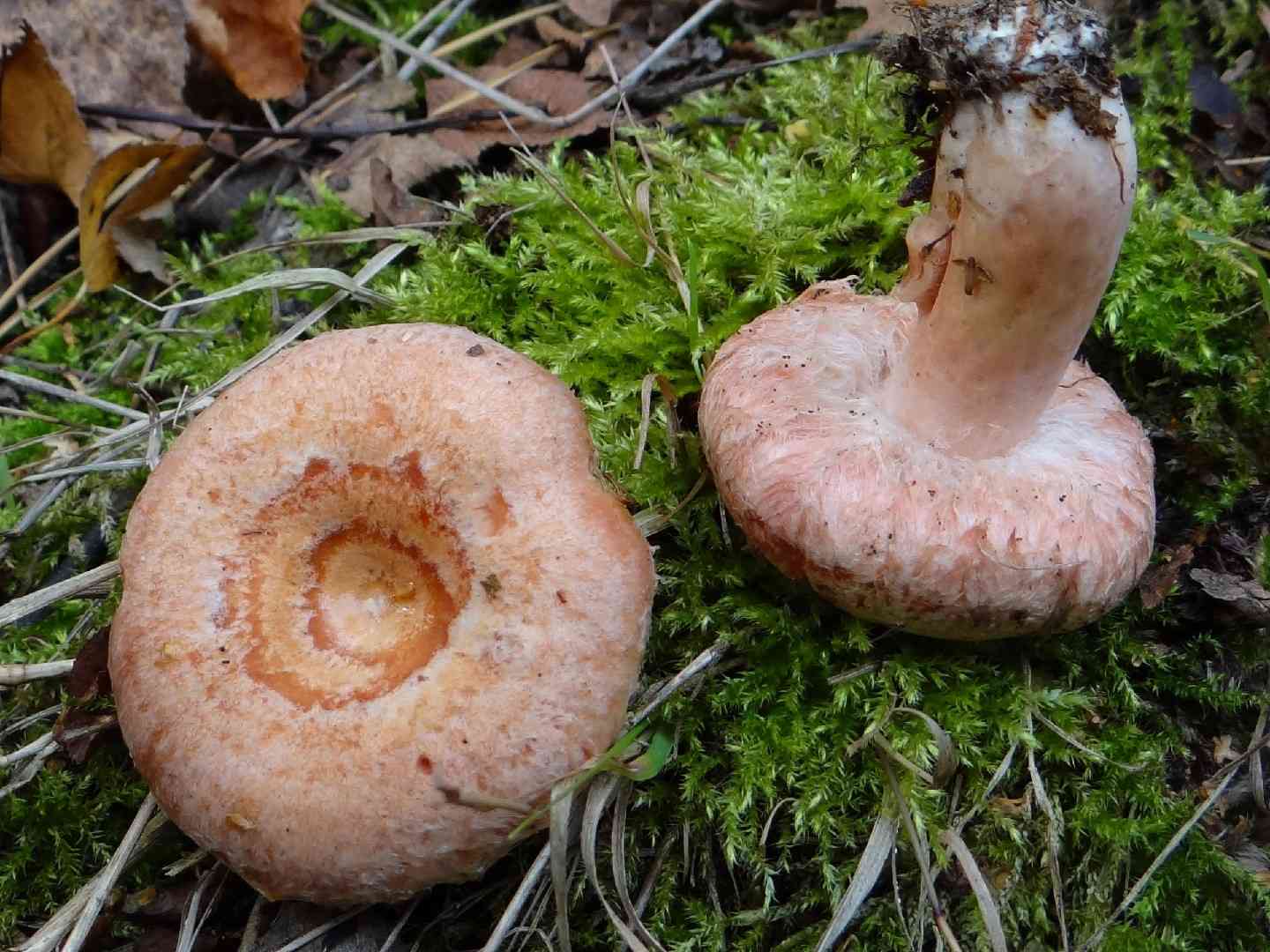
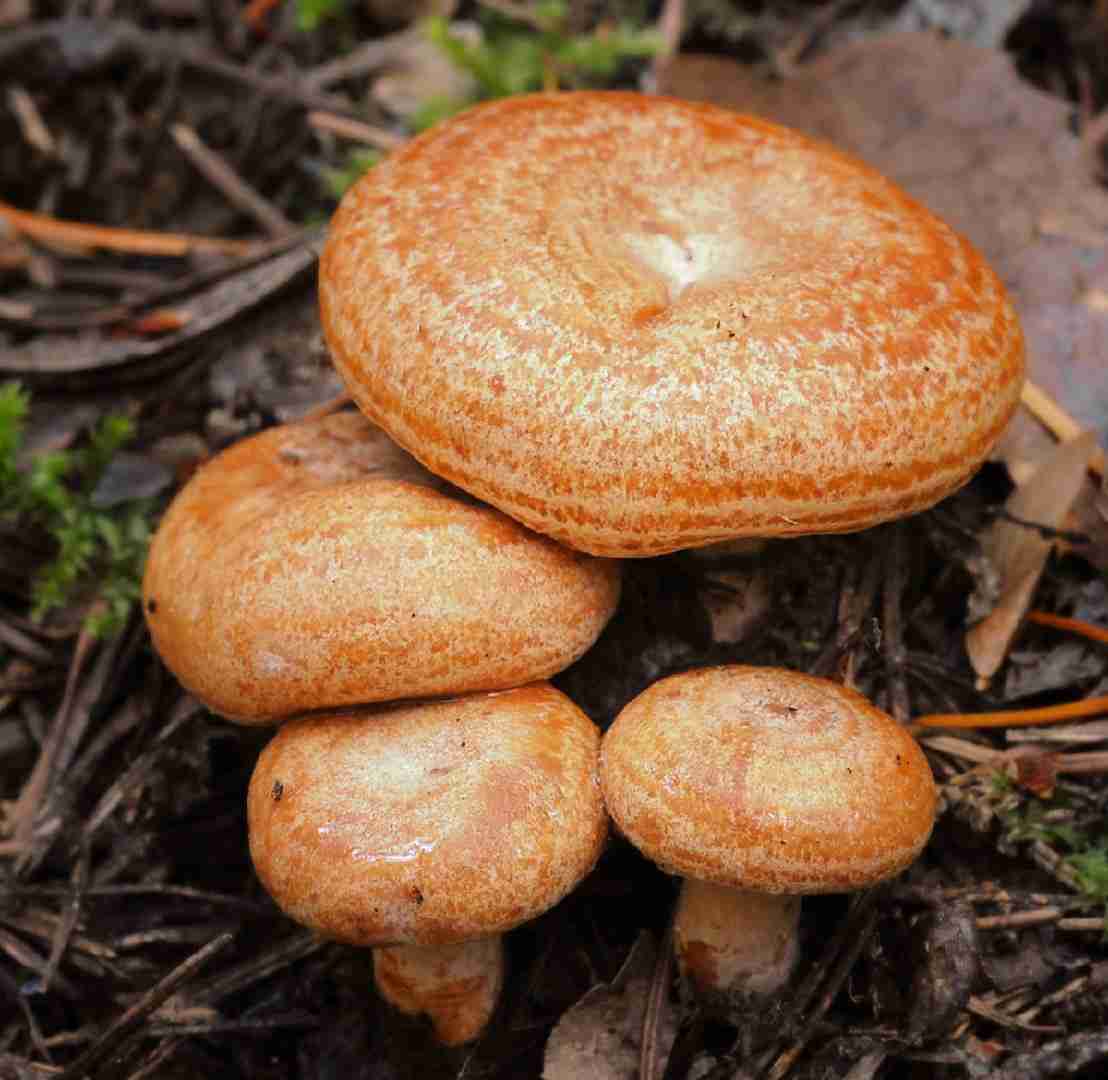
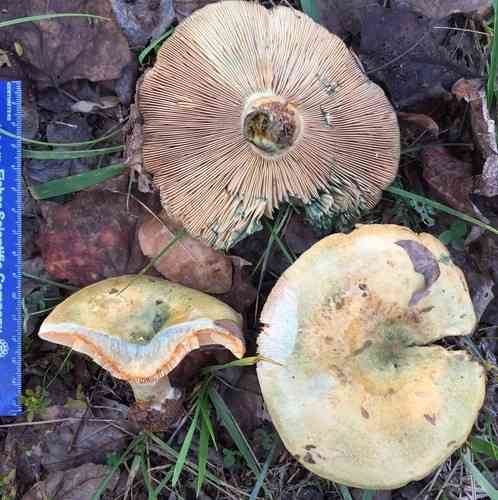
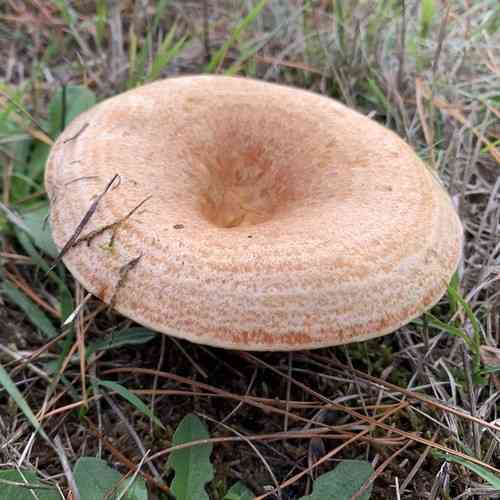
Cap 4 - 14 cm across; convex to weakly funnel-shaped; orange; surface smooth; turns grayish green when bruised
Cap Shape
Convex, Depressed
Cap Surfaces
Slimy or slightly sticky
Gills
Decurrent; crowded; orange
Gill Attachment
Attached
Stem
Stem 3 - 8 cm long, 1 - 2 cm thick; orange
Stem Shapes
Cylindrical
Stem Surfaces
Scaly
Flesh
Orange to grayish green
Ring
Ringless
Spore Print Color
Creamy pinkish buff
Odor
Slightly fruity and mild.
Body Color
RedOrange
Flesh Bruises
Discolor to green
Growth Form
Solitary, Scattered, Gregarious
Nutrient Gathering
Mycorrhizal
Substrate
On soil
You can find Saffron milk cap by these plants
Subalpine fir, Engelmann spruce, Lodgepole pine, Pines, Scots pine, Spruces
Occurence Habitats
Coniferous Woodland
Species Status
Widespread but uncommon
Endangered Species
No
Scientific Classification of Saffron milk cap
Phylum
Club fungi
Class
Mushroom-forming fungi
Order
Russulales
Family
Russulaceae
Genus
Milk-caps
Toxicity and Edibility of Saffron milk cap
Is Saffron milk cap Toxic?
Toxicity information is not available for this mushroom. Always consult with an expert before consuming any wild mushrooms.