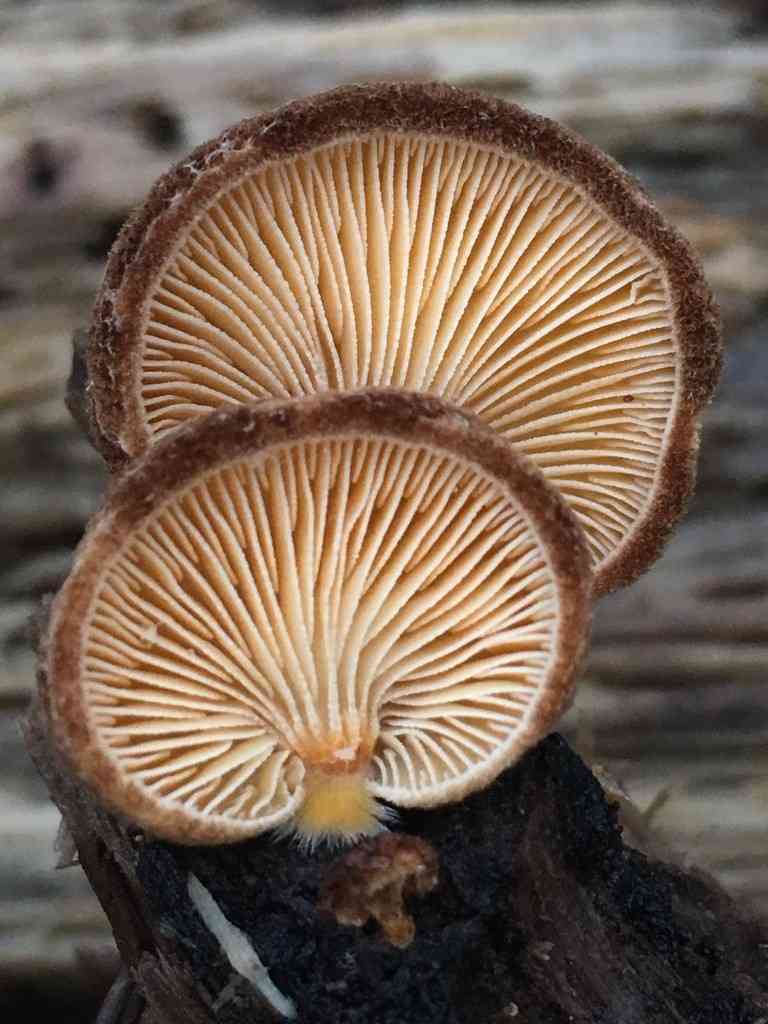
Saffron oysterling
Crepidotus crocophyllus
A species of Crepidotus.
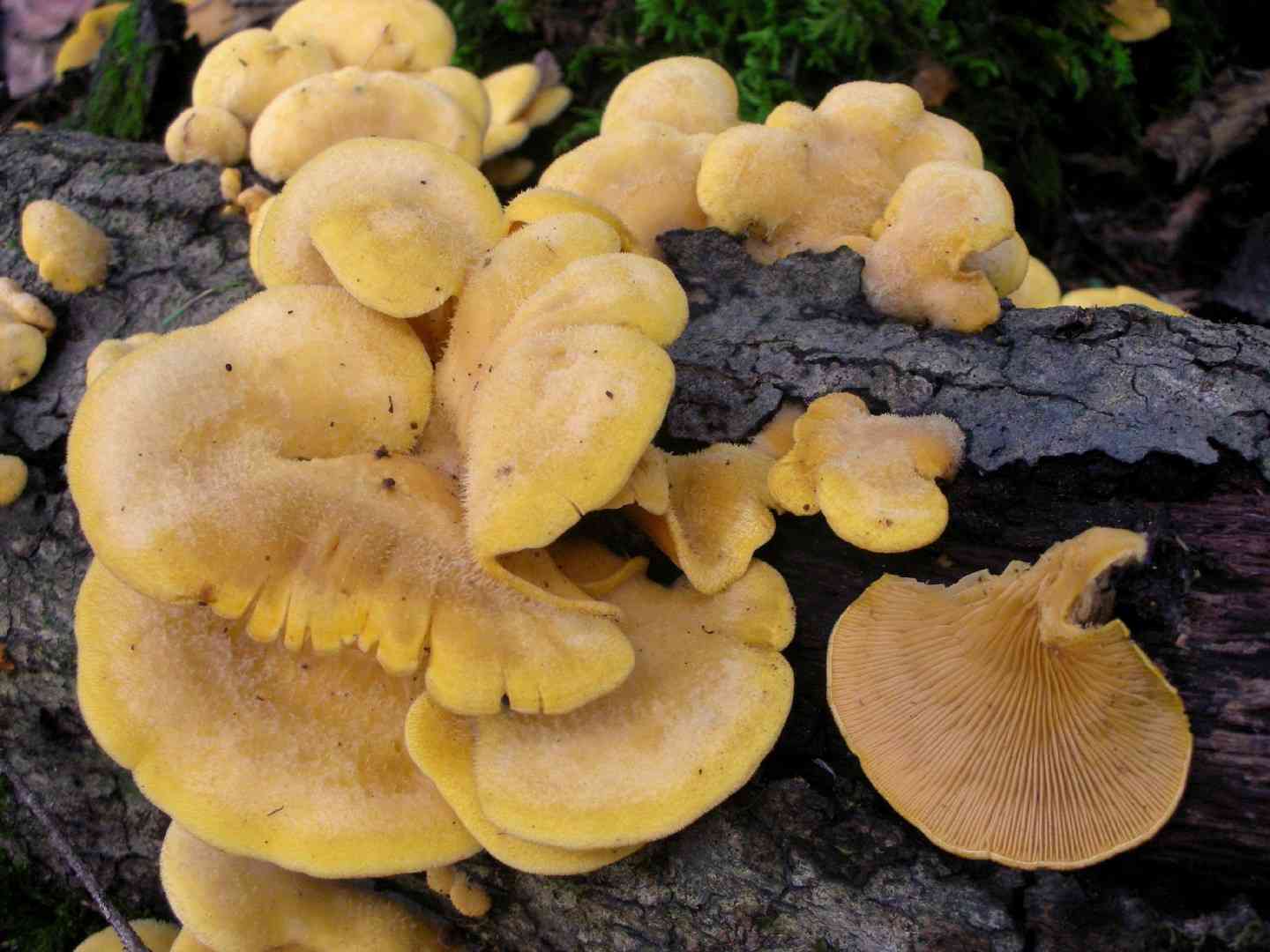
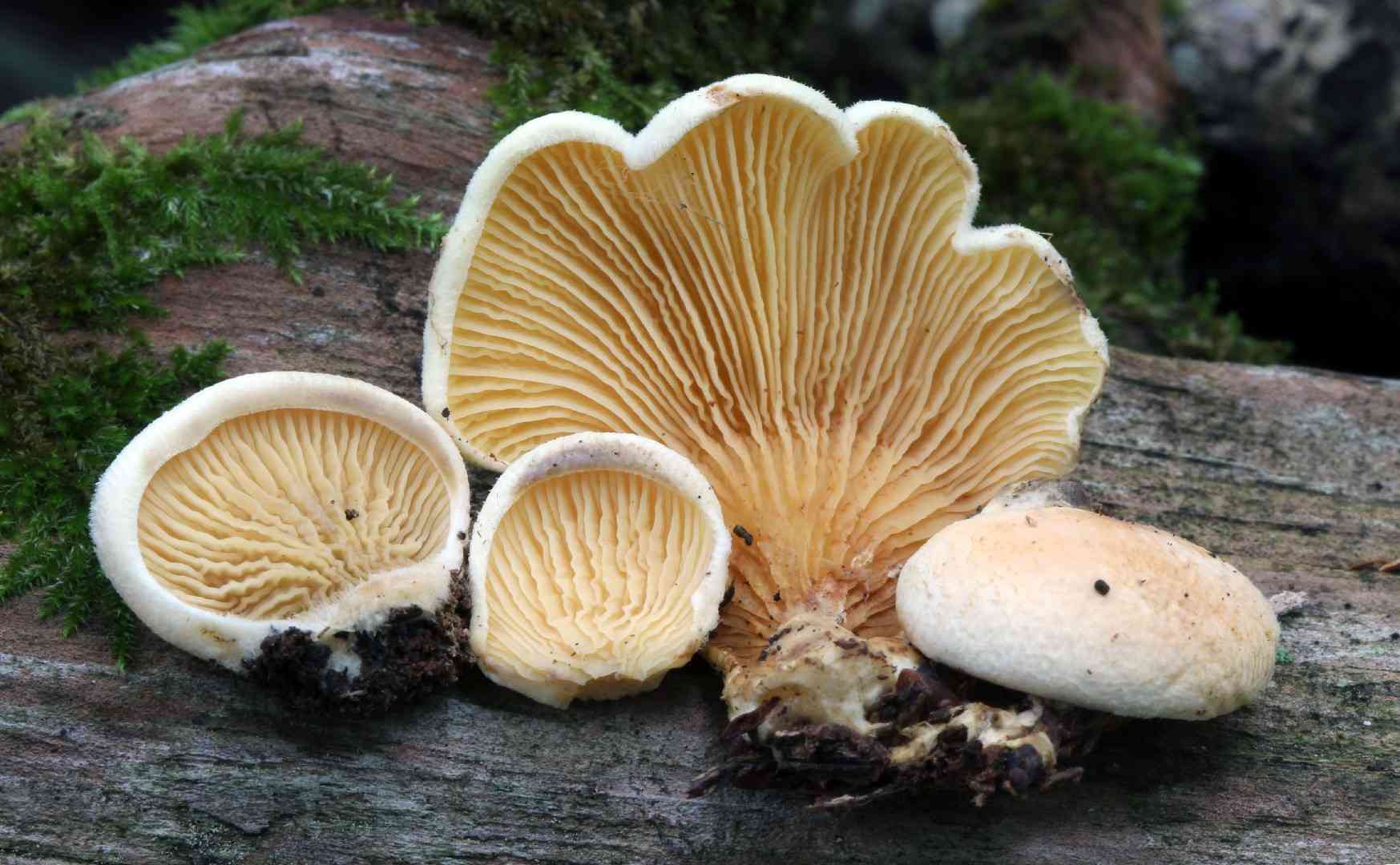
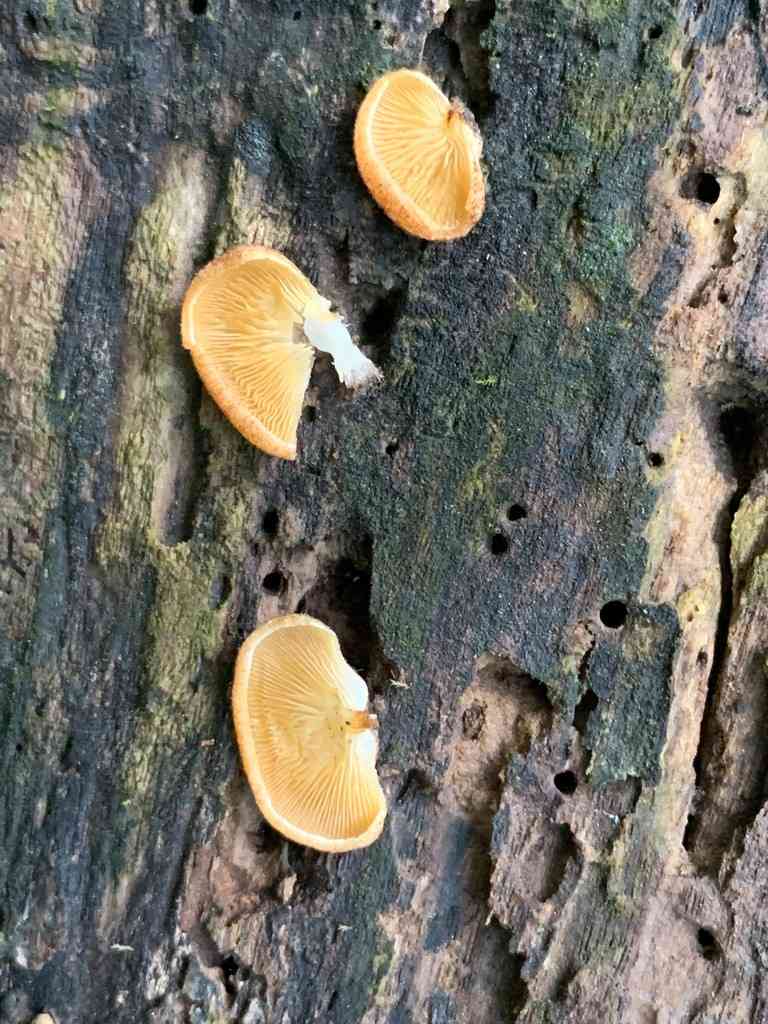
The saffron oysterling is widely recognized as a mushroom with an exceptionally appealing aesthetic. Its distinct saffron-orange gills are the source of both its Latin designation, Crepidotus crocophyllus, and its English moniker, Saffron oysterling. This species is also considered the most prevalent among all North American Crepidotus varieties. However, the saffron oysterling is known to emit a rather disagreeable odor.
In This Article
Attributes of Saffron oysterling
Cap Diameter
1 - 5 cm
Height
3 - 5 mm
Cap
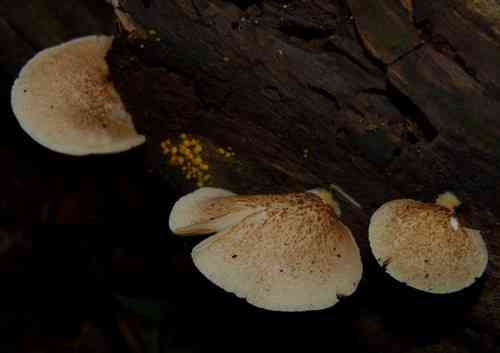
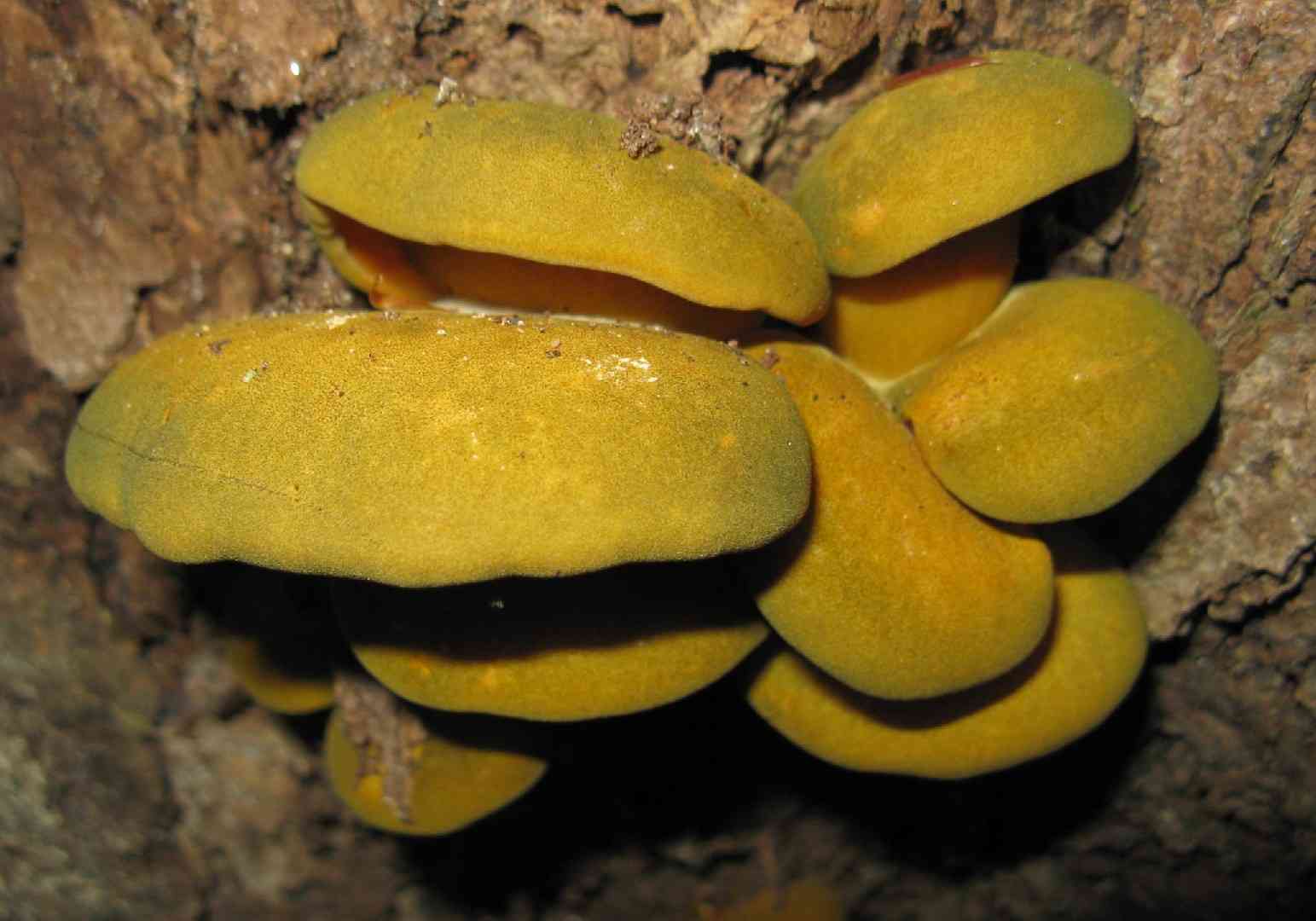
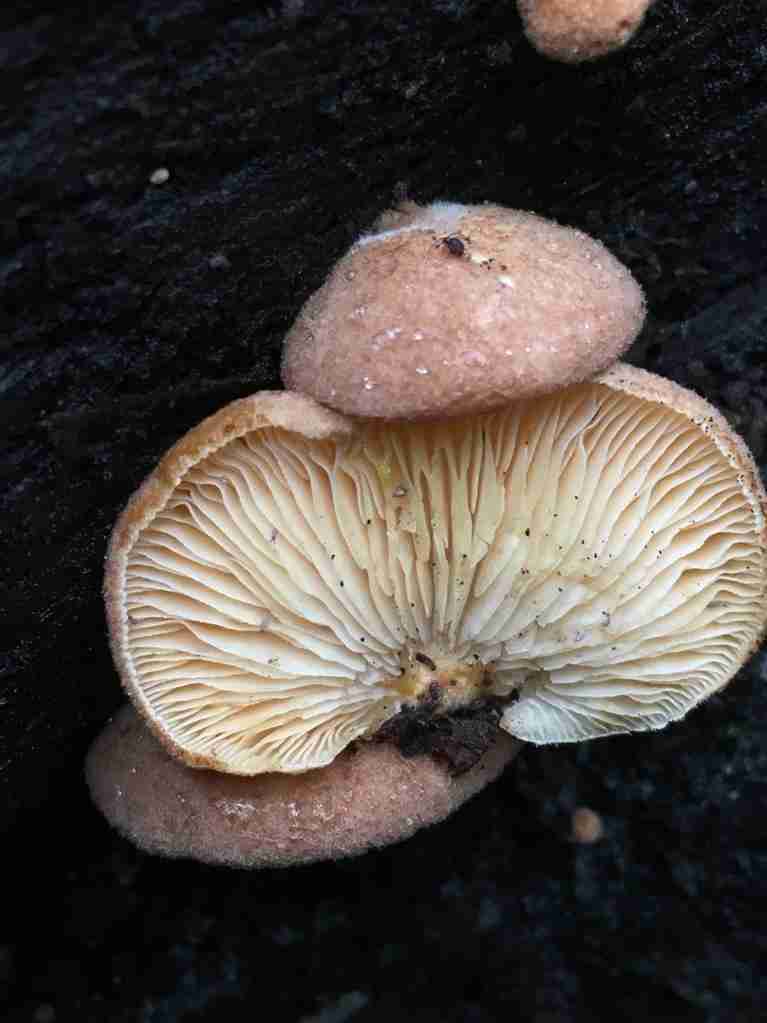
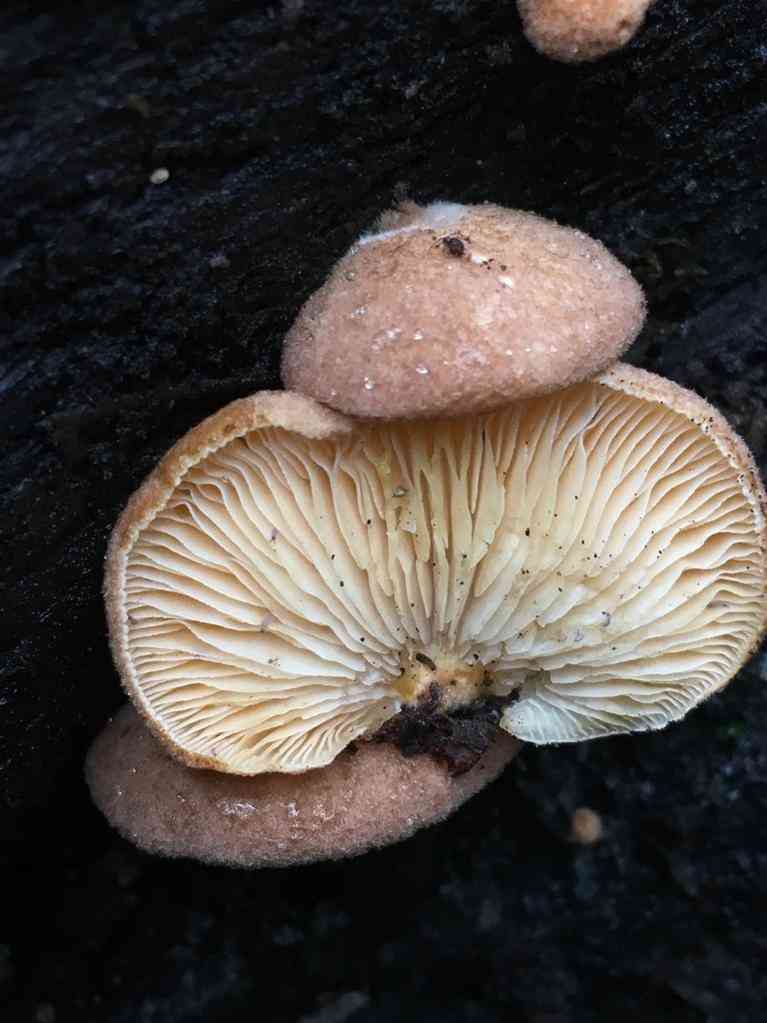
Cap 1 - 5 cm across; semicircular, shell-shaped; whitish to dull brownish or yellowish; covered in reddish brown fibrils or fine scales
Cap Shape
Convex, Flat
Cap Surfaces
Fibrillose-scaly
Gills
Crowded, close; whitish, yellowish, yellow, orange, brown
Stem
Absent
Flesh
Thin; soft; whitish
Spore Print Color
Brown
Odor
Slightly noticeable, non-distinctive mushroom smell.
Body Color
BrownYellowRedWhiteOrange
Flesh Bruises
The flesh or milk does not discolor when bruised or cut.
Growth Form
Solitary, Scattered
Nutrient Gathering
Saprophytic
Substrate
Dead Woods
You can find Saffron oysterling by these plants
Willows, Ashes
Occurence Habitats
Deciduous Woodland, Coniferous Woodland, Mixed Woodland
Species Status
Widely distributed
Endangered Species
No
Scientific Classification of Saffron oysterling
Phylum
Club fungi
Class
Mushroom-forming fungi
Order
Gilled fungi
Family
Inocybaceae
Genus
Crepidotus
Toxicity and Edibility of Saffron oysterling
Is Saffron oysterling Toxic?
Toxicity information is not available for this mushroom. Always consult with an expert before consuming any wild mushrooms.