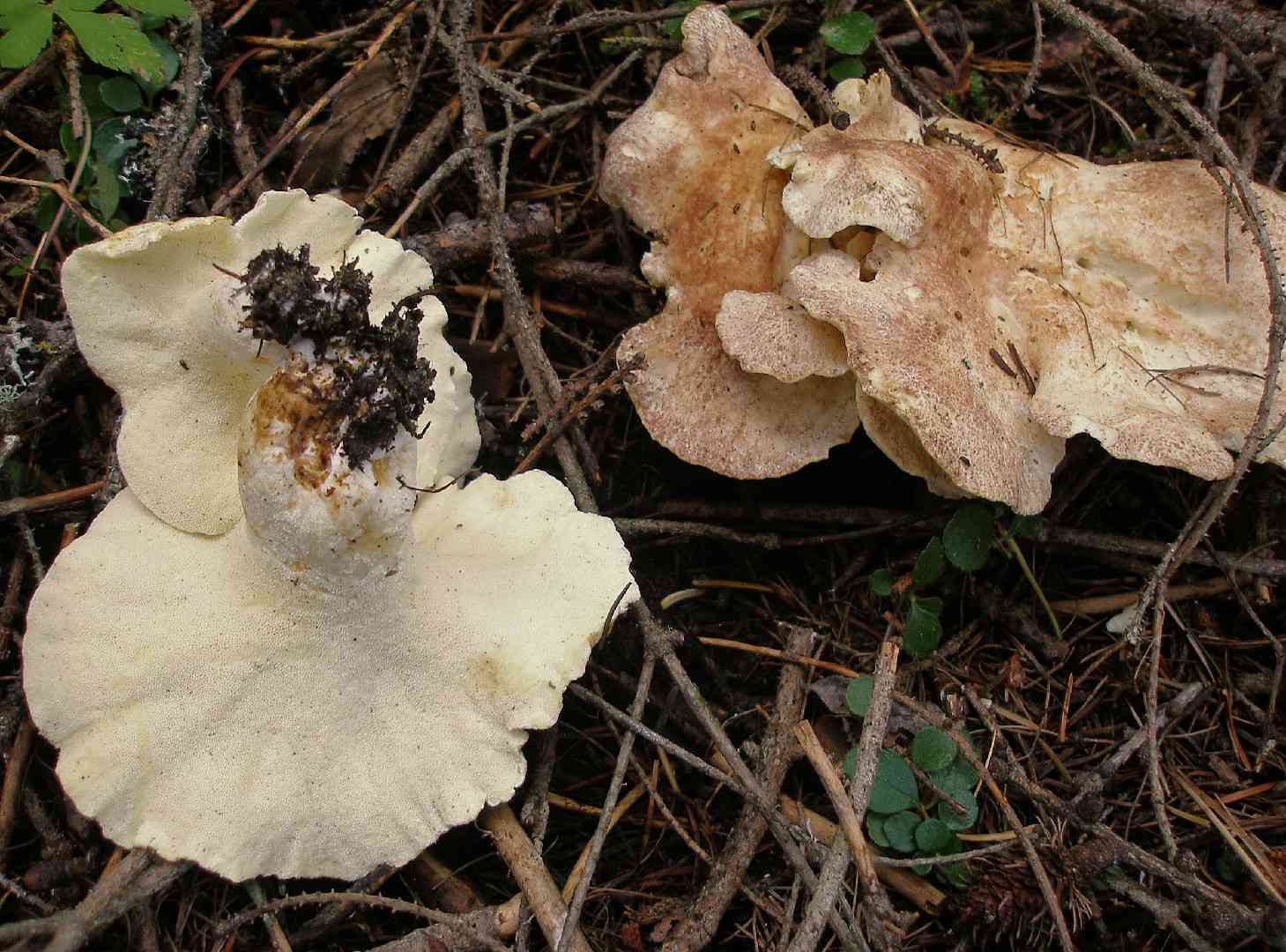
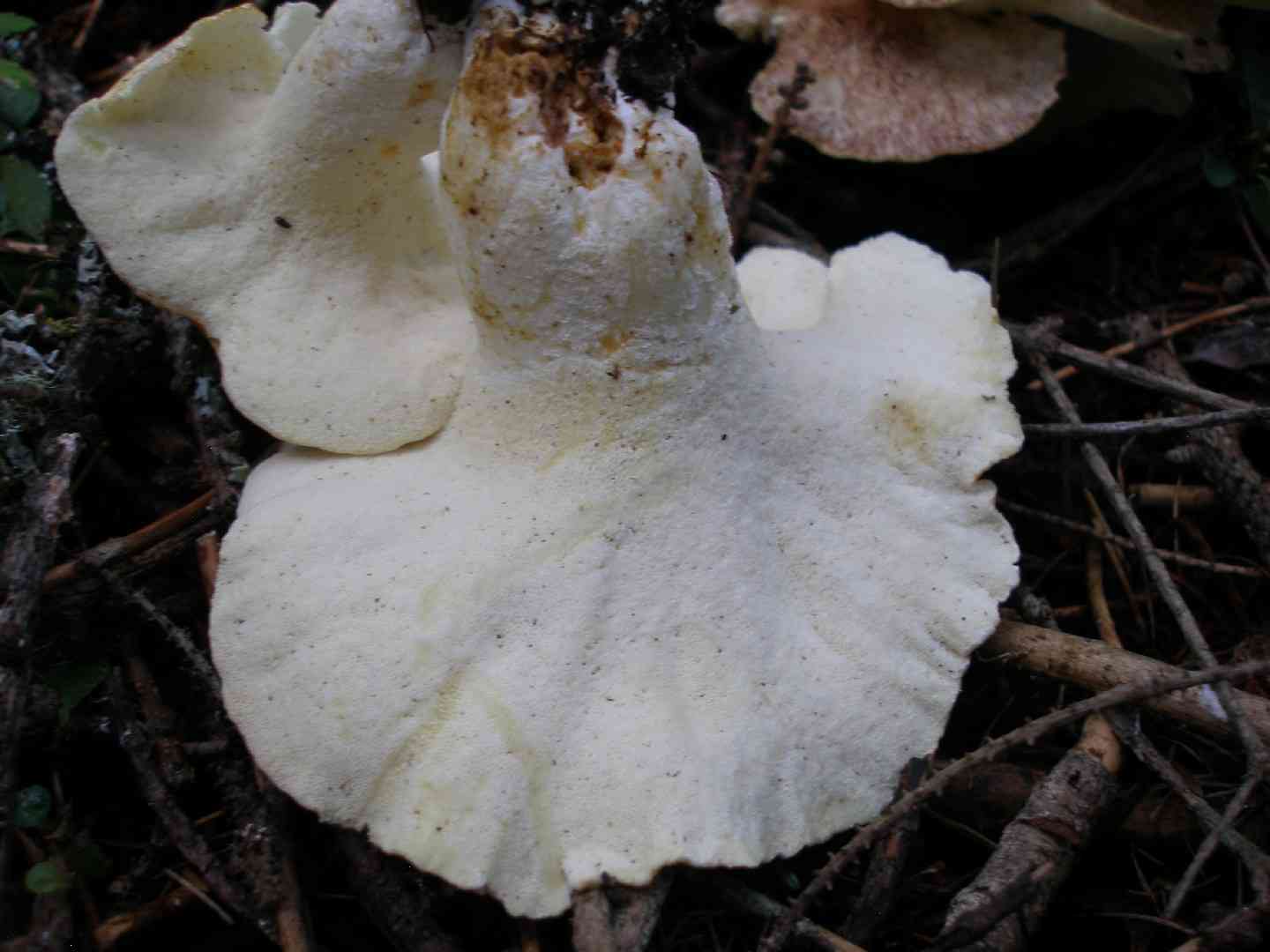
Sheep polypore
Albatrellus ovinus
A species of Albatrellus.
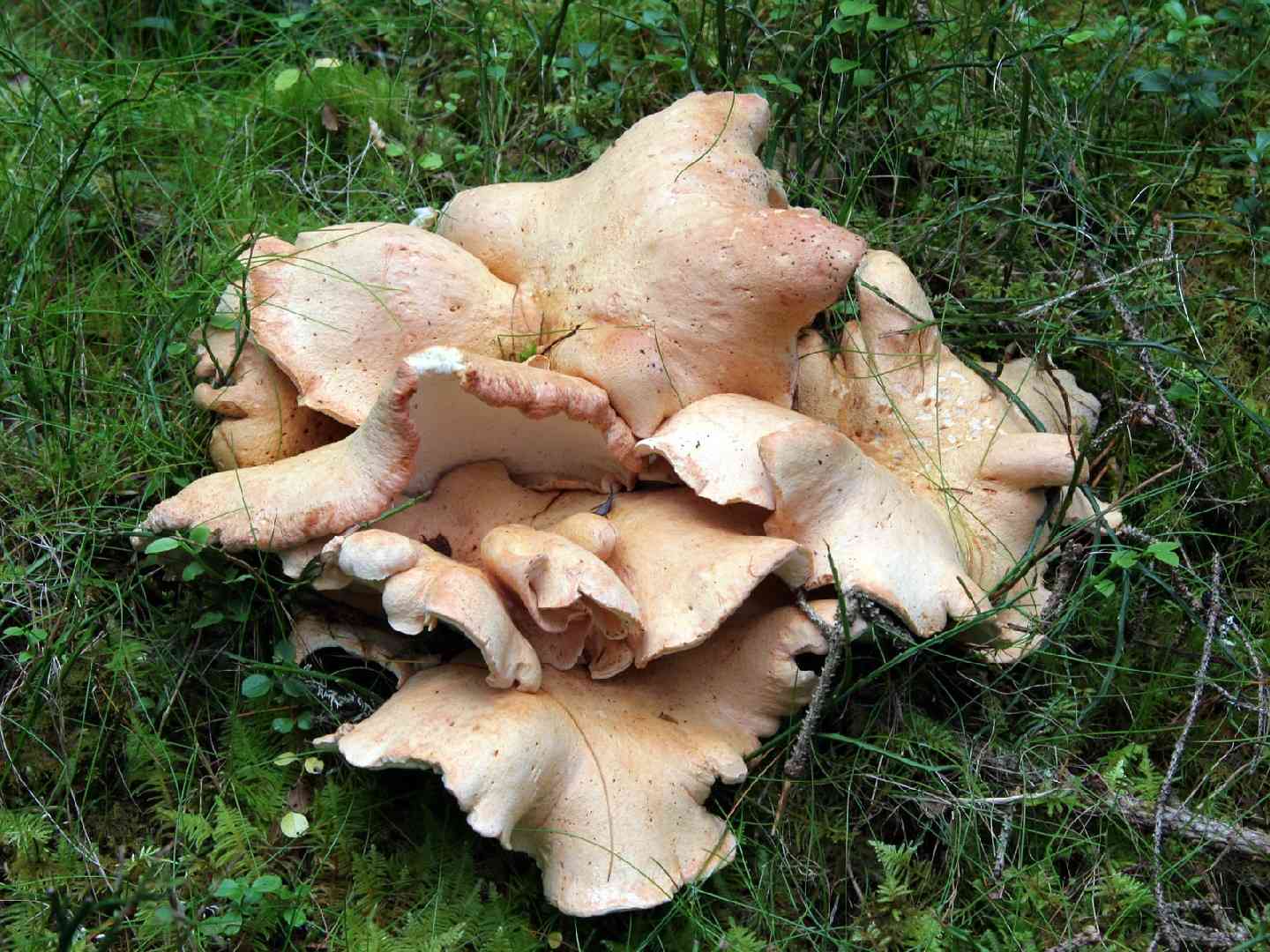
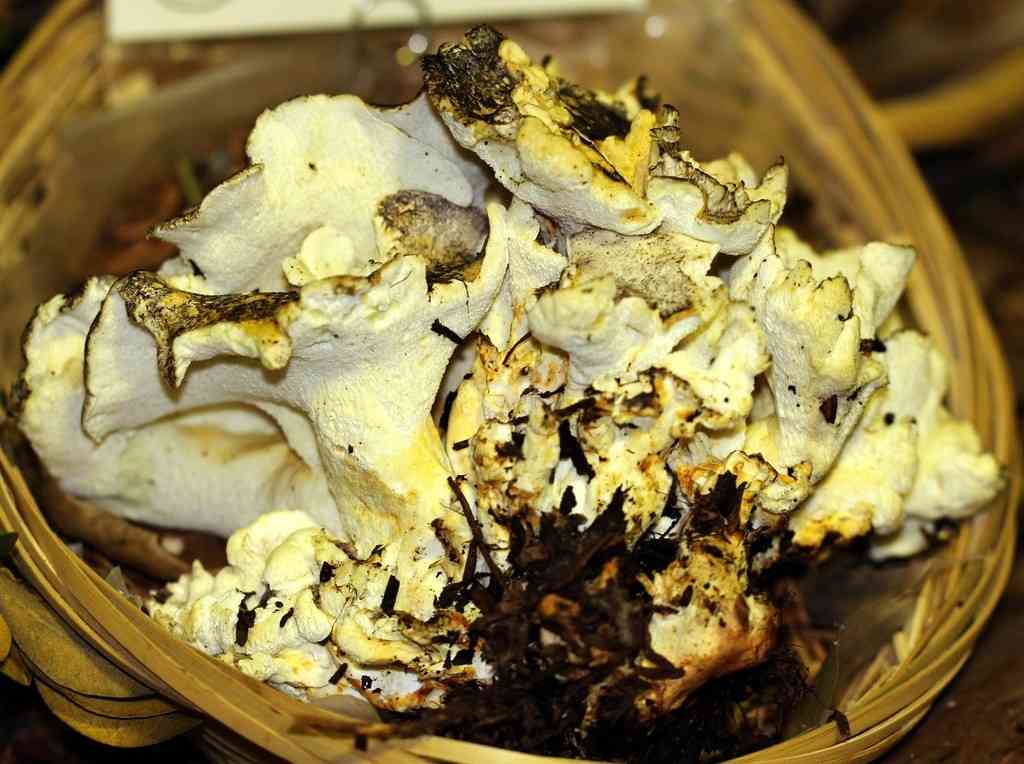
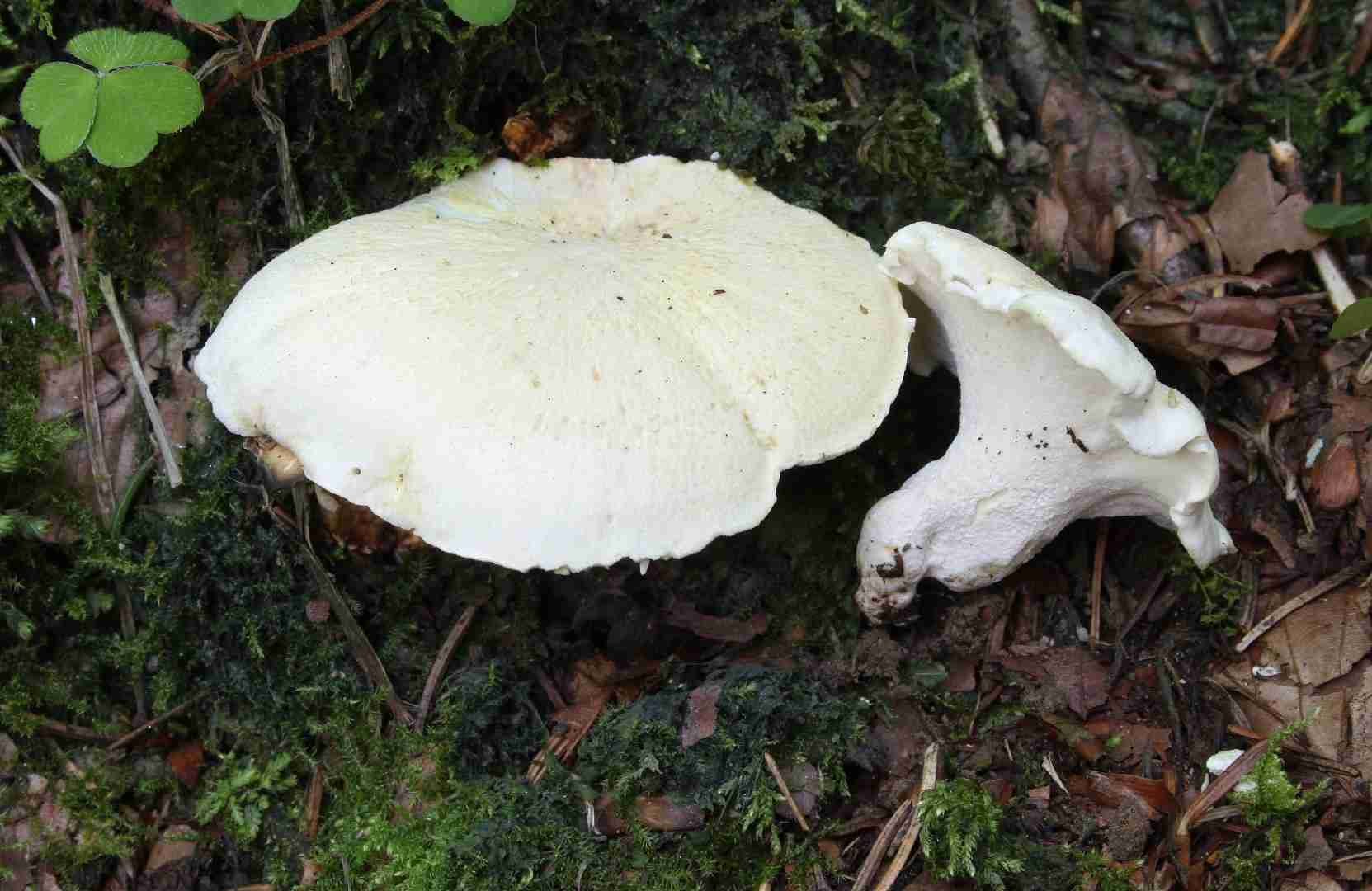
True to its name, sheep polypore resembles a woolly cluster, characterized by its off-white to brownish hue and fissured surface. This fungus thrives in woodlands, forming symbiotic relationships with pine and other conifer species. Its growth period spans from late summer through late autumn, occasionally extending into mid-winter in certain regions.
In This Article
Attributes of Sheep polypore
Cap Diameter
6 - 22 cm
Height
3 - 10 cm
Cap
Cap 4 - 20 cm across; irregular funnel shape; cream, grayish brown; margin strongly inrolled
Cap Shape
Convex, Flat, Depressed
Cap Surfaces
Smooth
Gills
Decurrent; white-to-buff
Stem
Stem 3 - 10 cm long, 1 - 4 cm thick; whitish to cream; smooth
Stem Shapes
Cylindrical
Stem Surfaces
Velvety
Flesh
Whitish to cream
Ring
Ringless
Spore Print Color
White
Odor
Mildly mushroomy but not distinctive.
Body Color
BlackYellowWhite
Flesh Bruises
Discolor to yellowish
Growth Form
Gregarious, Clustered
Nutrient Gathering
Mycorrhizal
Substrate
On soil
You can find Sheep polypore by these plants
Engelmann spruce
Occurence Habitats
Coniferous Woodland
Species Status
Widely distributed
Endangered Species
No
Scientific Classification of Sheep polypore
Phylum
Club fungi
Class
Mushroom-forming fungi
Order
Russulales
Family
Albatrellaceae
Genus
Albatrellus
Toxicity and Edibility of Sheep polypore
Is Sheep polypore Toxic?
Toxicity information is not available for this mushroom. Always consult with an expert before consuming any wild mushrooms.