Common Pests & Diseases

Identify plant diseases quickly with clear symptoms, photos, and solutions to protect your garden from damage.

Why Do Fungus Gnats Get Worse in Winter?

Why Do Fungus Gnats Get Worse in Winter?

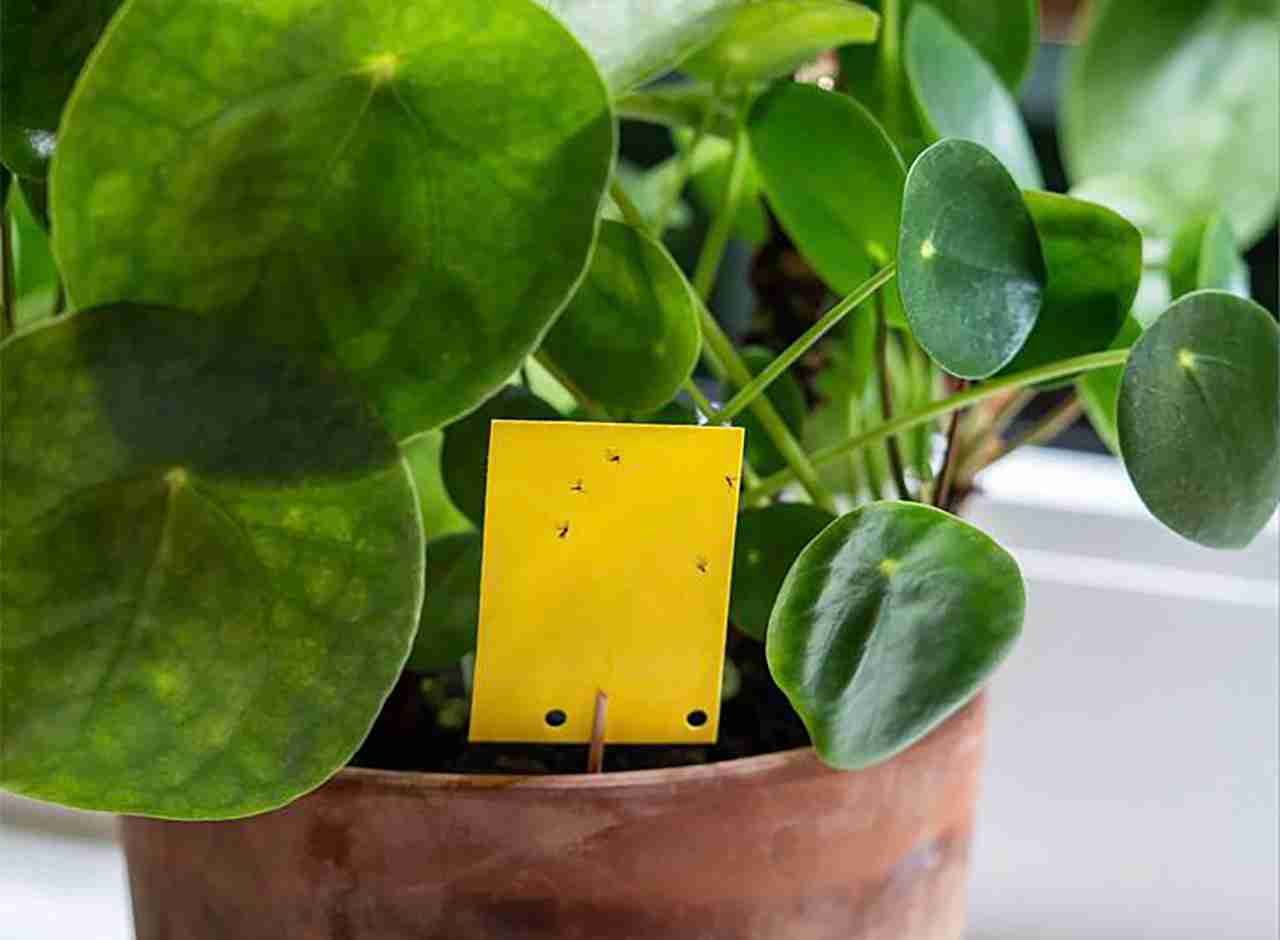
Fungus gnats often explode in winter because indoor conditions—warm, warm heaters, low light, and slower soil drying—create the perfect environment for their larvae. This guide explains why it happens and provides practical, home-friendly ways to break the cycle.

Read More
Peace Lily & Fern Crispy Tips in Winter — What Should You Do?

Peace Lily & Fern Crispy Tips in Winter — What Should You Do?

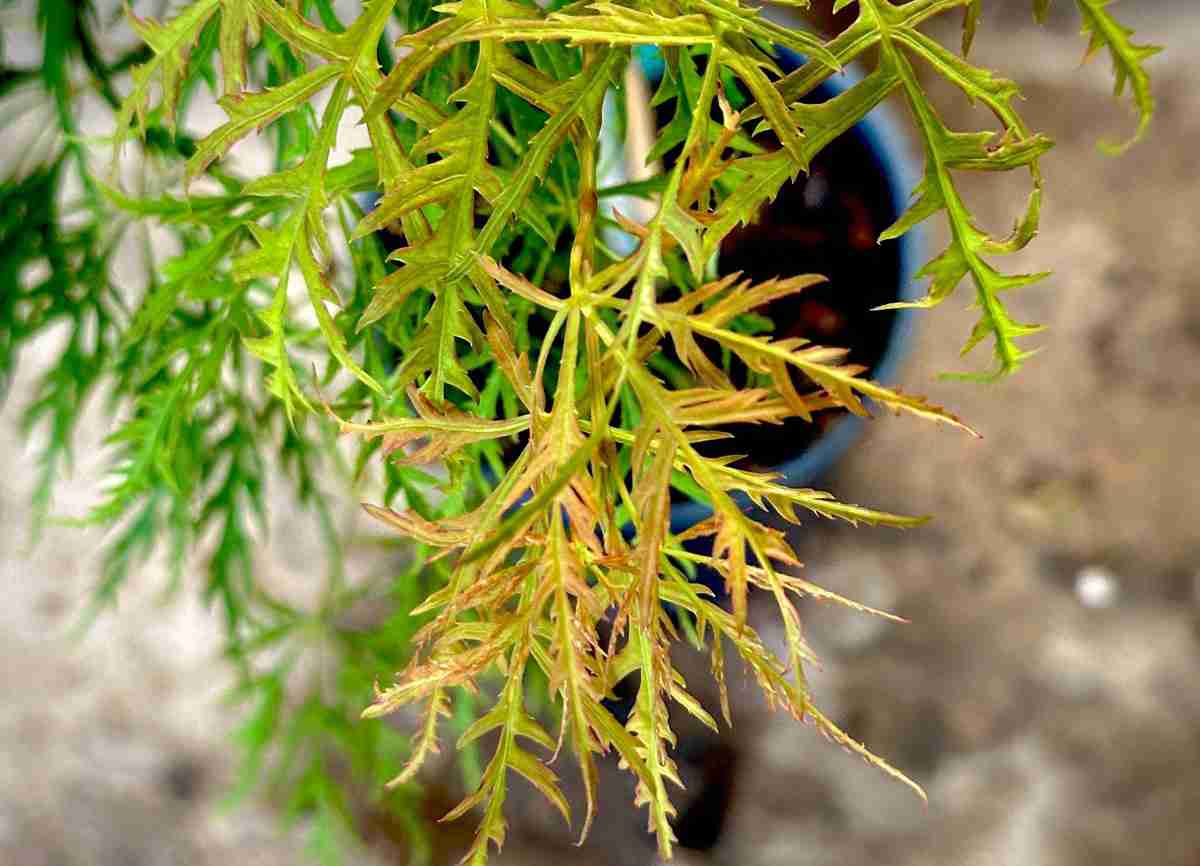
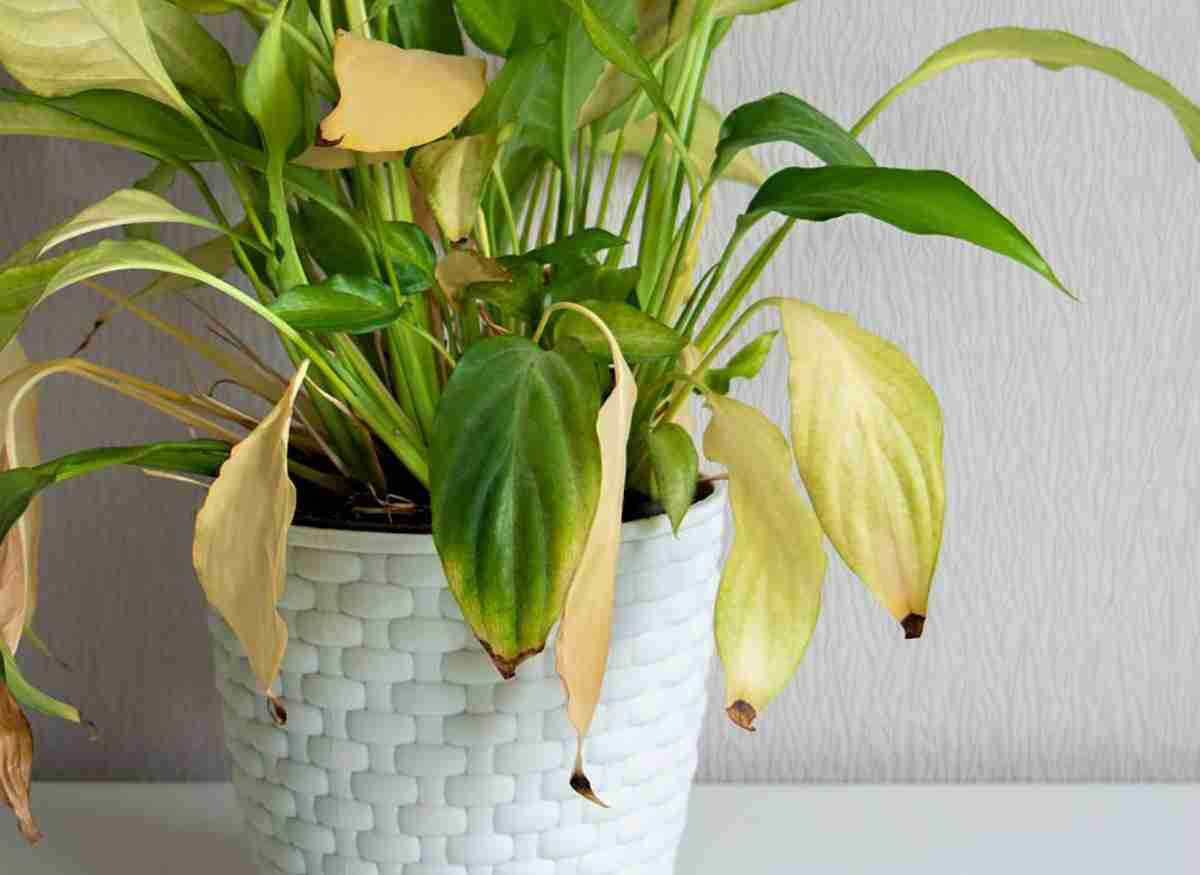
Dry, crispy leaf tips on peace lilies and ferns are extremely common in winter. These plants love humidity and struggle when indoor heaters dry the air. This guide helps you understand why it happens and offers simple, realistic fixes that work in typical U.S. homes.

Read More
Heater Drying Out Your Soil — Should You Water More?

Heater Drying Out Your Soil — Should You Water More?

Indoor heating in winter speeds up soil evaporation, making many plant owners think they should water more often. But in cold seasons, most plants actually drink less, not more. This guide helps you understand when extra watering is needed—and when it’s a trap that leads to root rot.

Read More
Why Are My Leaves Turning Yellow in Winter? Light or Water Issue?

Why Are My Leaves Turning Yellow in Winter? Light or Water Issue?

Winter yellowing leaves usually come from two causes: low light or watering stress. As days get shorter and heaters dry the air, plants enter a slower growth phase and become more sensitive to watering mistakes. This guide helps you quickly diagnose the real reason and fix it with simple, actionable steps.

Read More
Keep Your Garden Healthy: Prevent Common Plant Diseases

Keep Your Garden Healthy: Prevent Common Plant Diseases

Almost every garden encounters plant diseases from time to time. Most of them are not a serious concern—proper plant care and choosing disease-resistant varieties can effectively prevent infections or greatly reduce their impact.

Read More
How to Use Eggshells to Boost Tomato Yield and Prevent Diseases

How to Use Eggshells to Boost Tomato Yield and Prevent Diseases

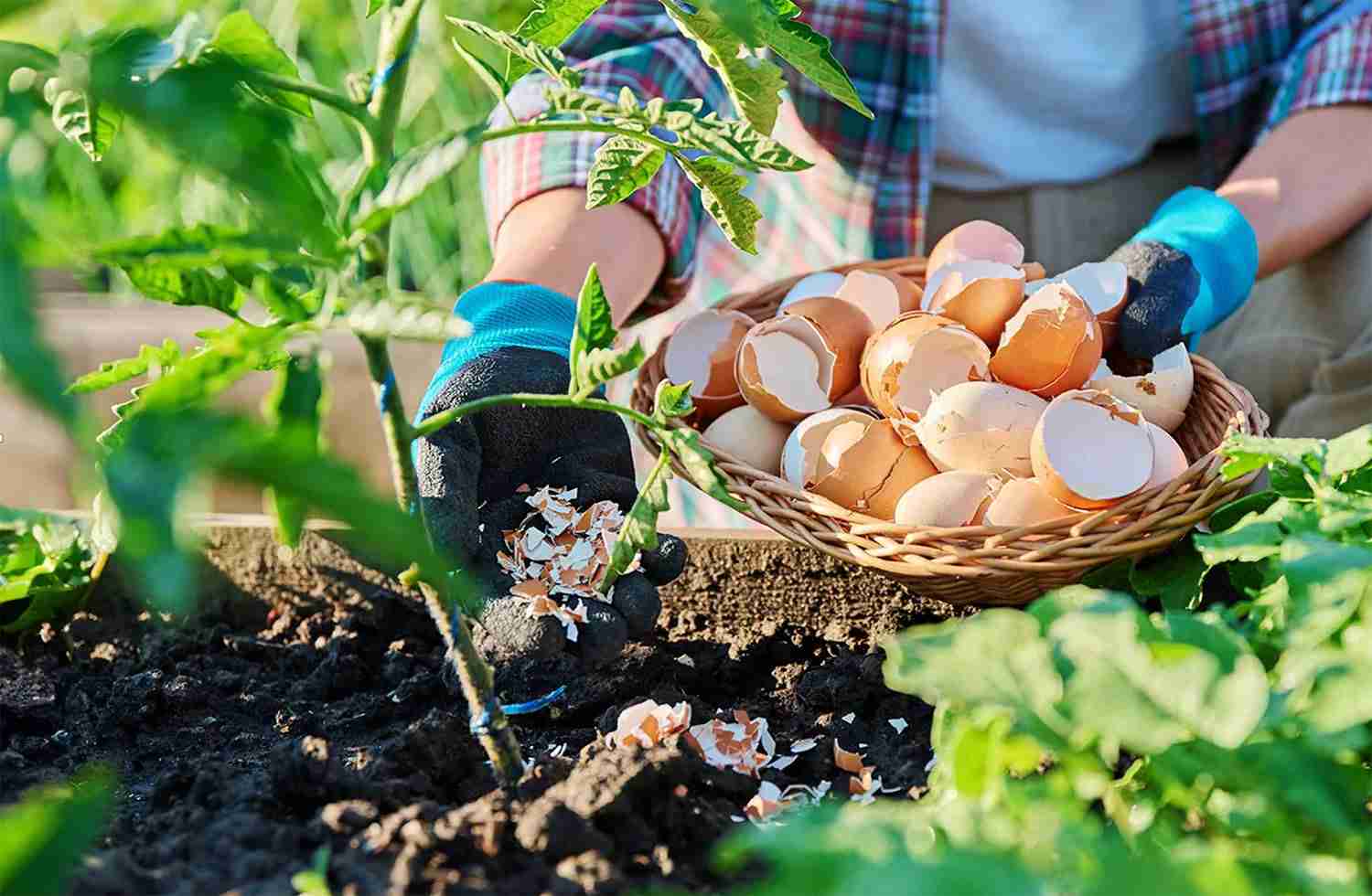
Eggshells contain essential nutrients that can enrich compost and provide natural minerals to many plants, including tomatoes. When used correctly, eggshells can enhance overall plant health, deter pests, and help prevent common tomato diseases.

Read More
How to Get Rid of Japanese Beetles: A Complete Guide

How to Get Rid of Japanese Beetles: A Complete Guide

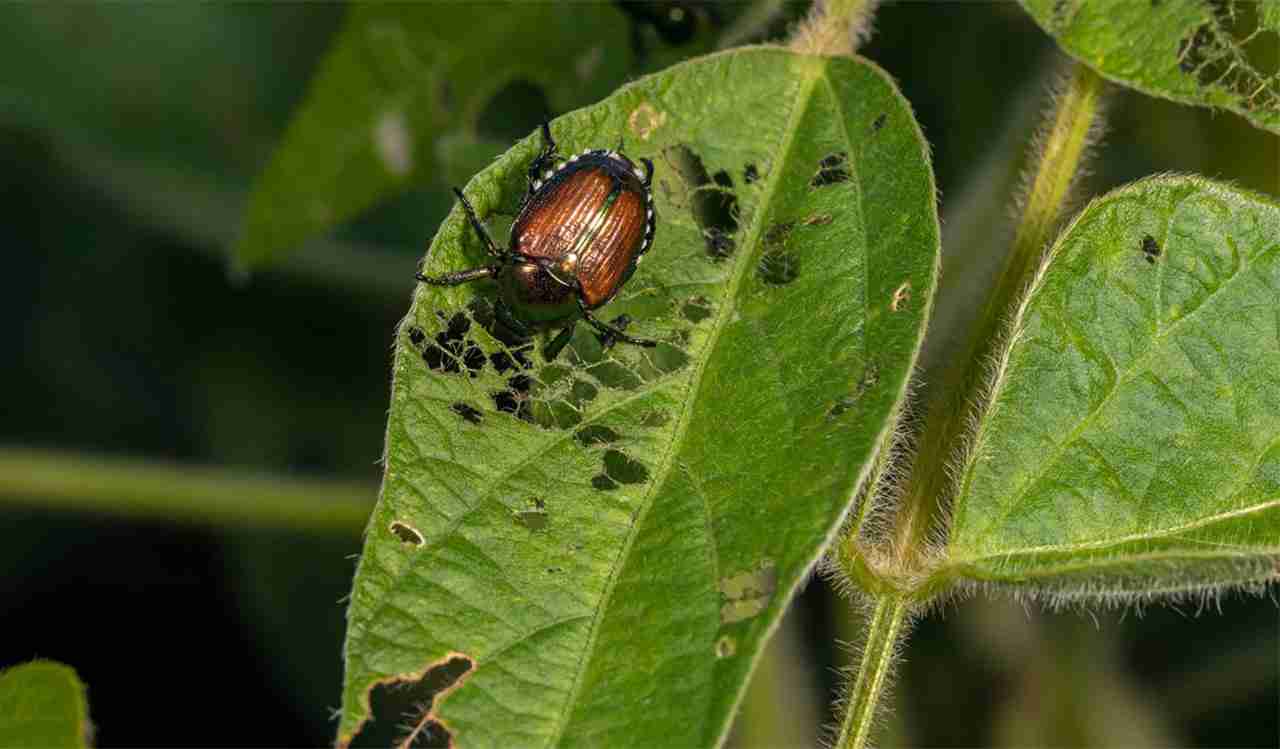
Learn proven methods to identify, prevent, and eliminate Japanese beetle infestations using organic and chemical approaches. Expert tips for protecting over 300 plant species.

Read More
Thrips damage: Identifying Symptoms, Causes, and Effective Treatments for Your Garden

Thrips damage: Identifying Symptoms, Causes, and Effective Treatments for Your Garden

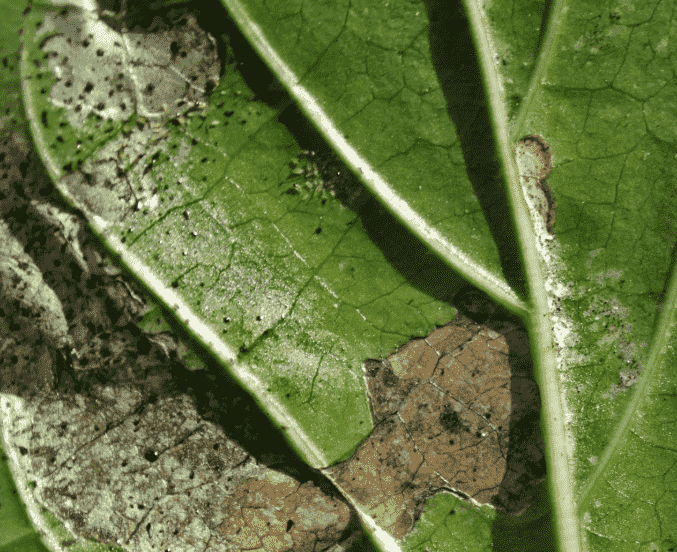
Thrips damage, caused by tiny insects, appears as **silvery or bronzed streaks/patches and tiny black specks (fecal matter)** on leaves and petals, and **distortion of growing points**, leading to **reduced aesthetic value, stunted growth, and the potential transmission of plant viruses**.

Read More
Spider Mites: Identifying Symptoms, Causes, and Effective Treatments for Your Garden

Spider Mites: Identifying Symptoms, Causes, and Effective Treatments for Your Garden

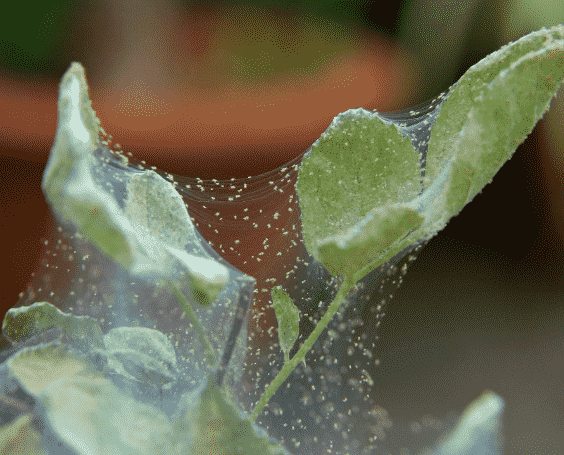
Spider Mites are tiny pests, not diseases, that cause stippling (tiny white or yellow dots) on leaves, often accompanied by fine webbing on the undersides and tips of foliage, resulting in leaf discoloration, bronzing, leaf drop, and weakened plant health, especially in hot, dry conditions.

Read More