Why Are My Leaves Turning Yellow in Winter? Light or Water Issue?
Winter yellowing leaves usually come from two causes: low light or watering stress. As days get shorter and heaters dry the air, plants enter a slower growth phase and become more sensitive to watering mistakes. This guide helps you quickly diagnose the real reason and fix it with simple, actionable steps.
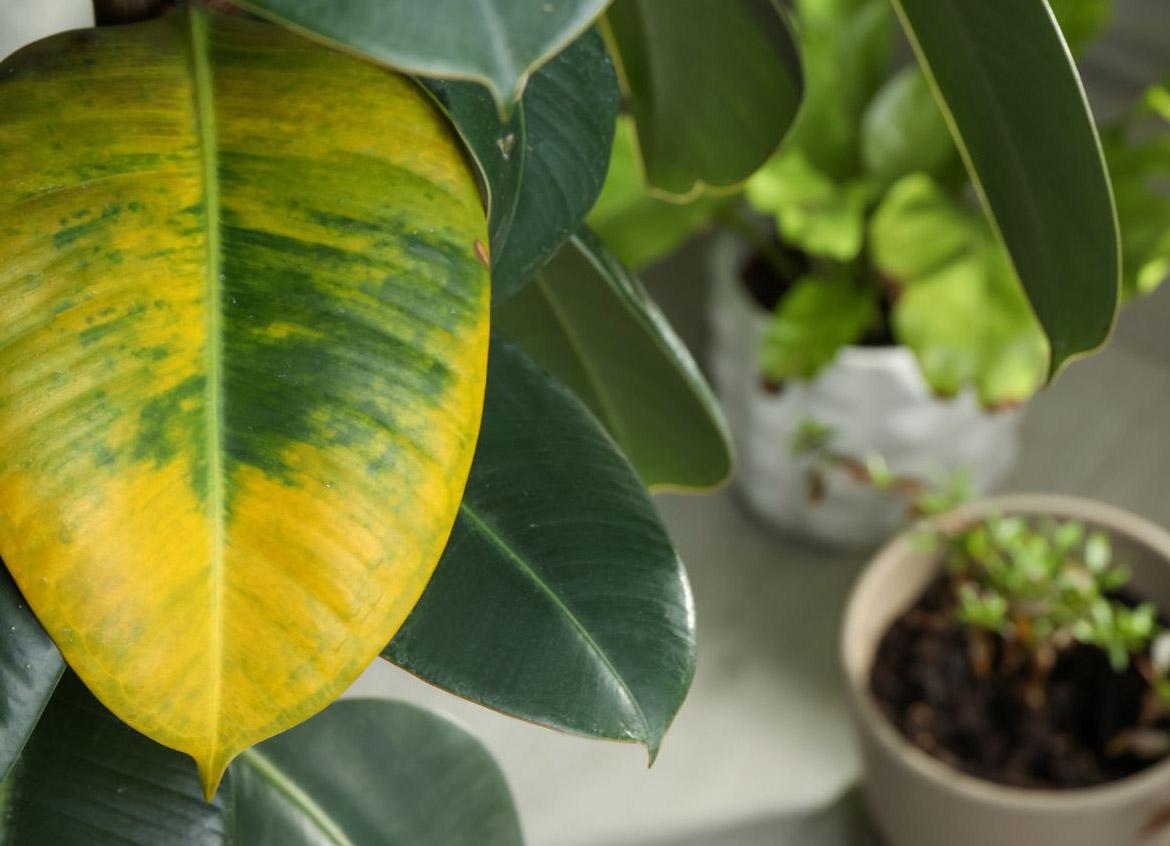
Why leaves turn yellow more often in winter
In winter, your plant is running on low energy. Shorter days mean less light for photosynthesis, so your plant can’t maintain the same number of healthy leaves. At the same time, indoor heating dries out the air and speeds up soil evaporation. These two changes confuse plant owners: the soil feels dry, but the plant isn’t growing enough to use the water.
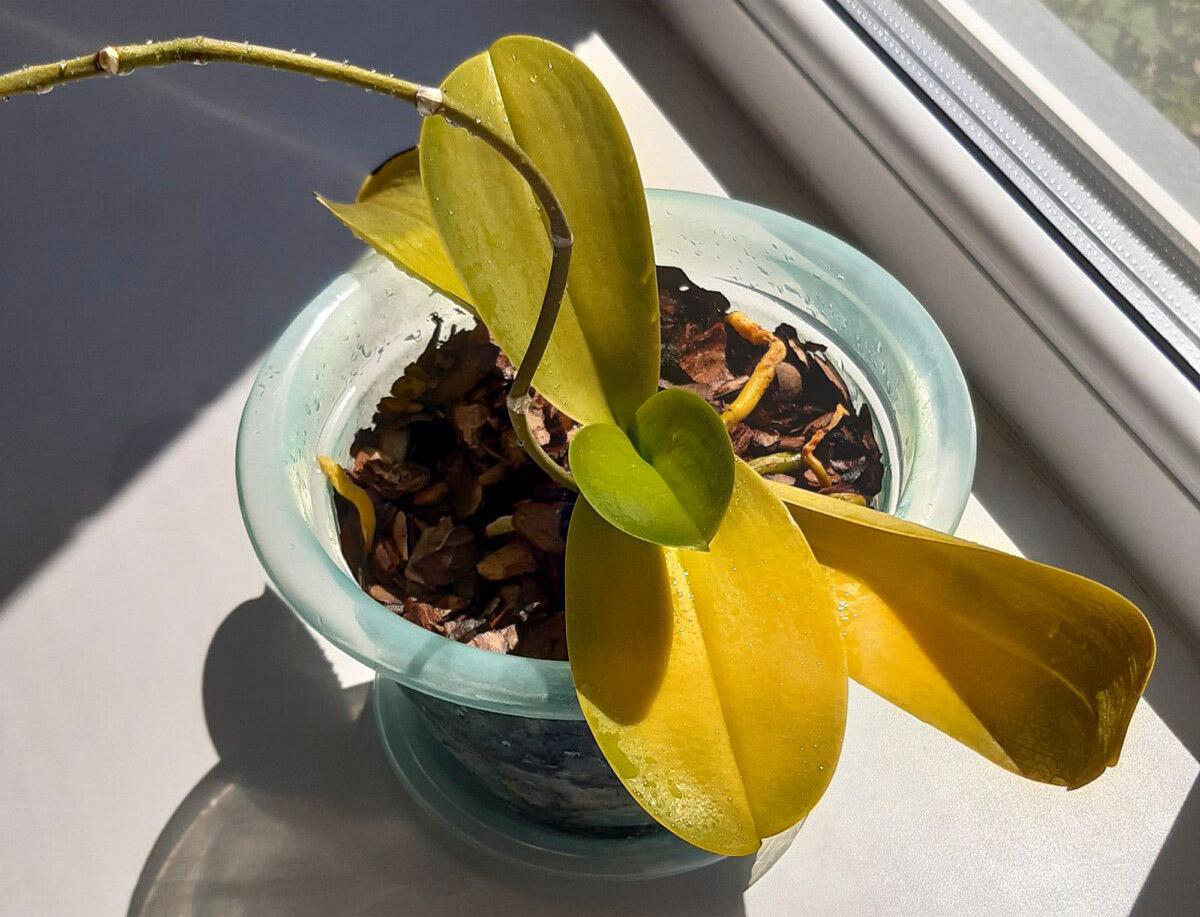
Is it low light? Quick checklist
Your plant is suffering from low light if:
- New leaves grow smaller or stop appearing
- Yellowing starts on the lower, older leaves
- Soil stays wet for a long time
- The plant leans toward the window
What to do:
- Move the plant closer to a south or west-facing window
- Add a grow light (6–10 hours/day is enough)
- Rotate the pot every week for balanced light
- Wipe the leaves so they can absorb more light
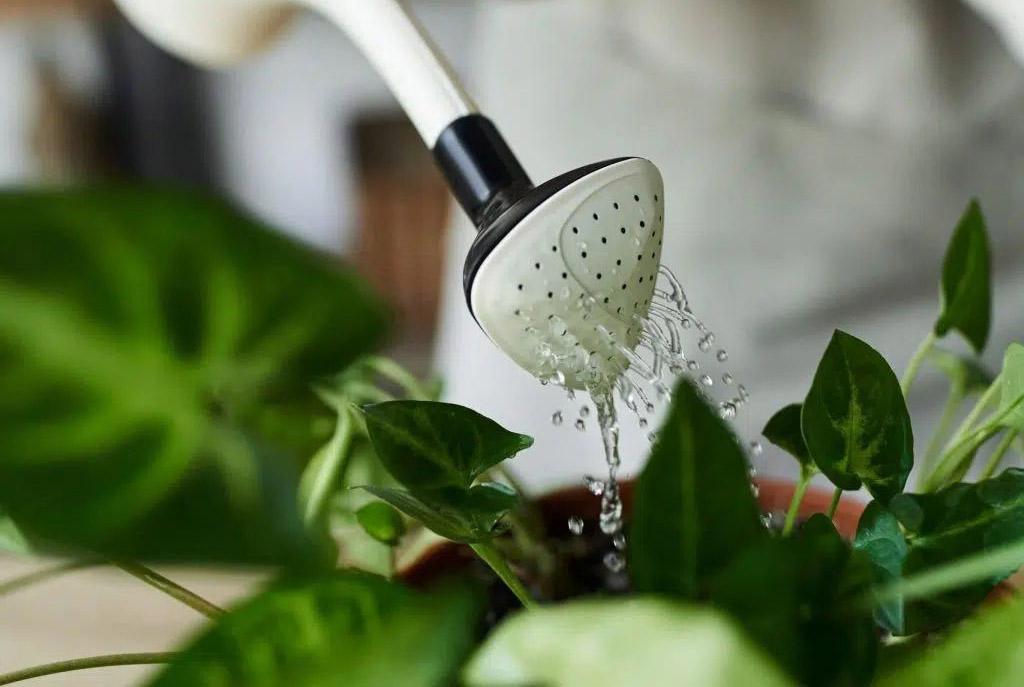
Is it watering? Quick checklist
Watering is the cause if:
- Yellow leaves feel soft or mushy
- Soil smells musty or sour
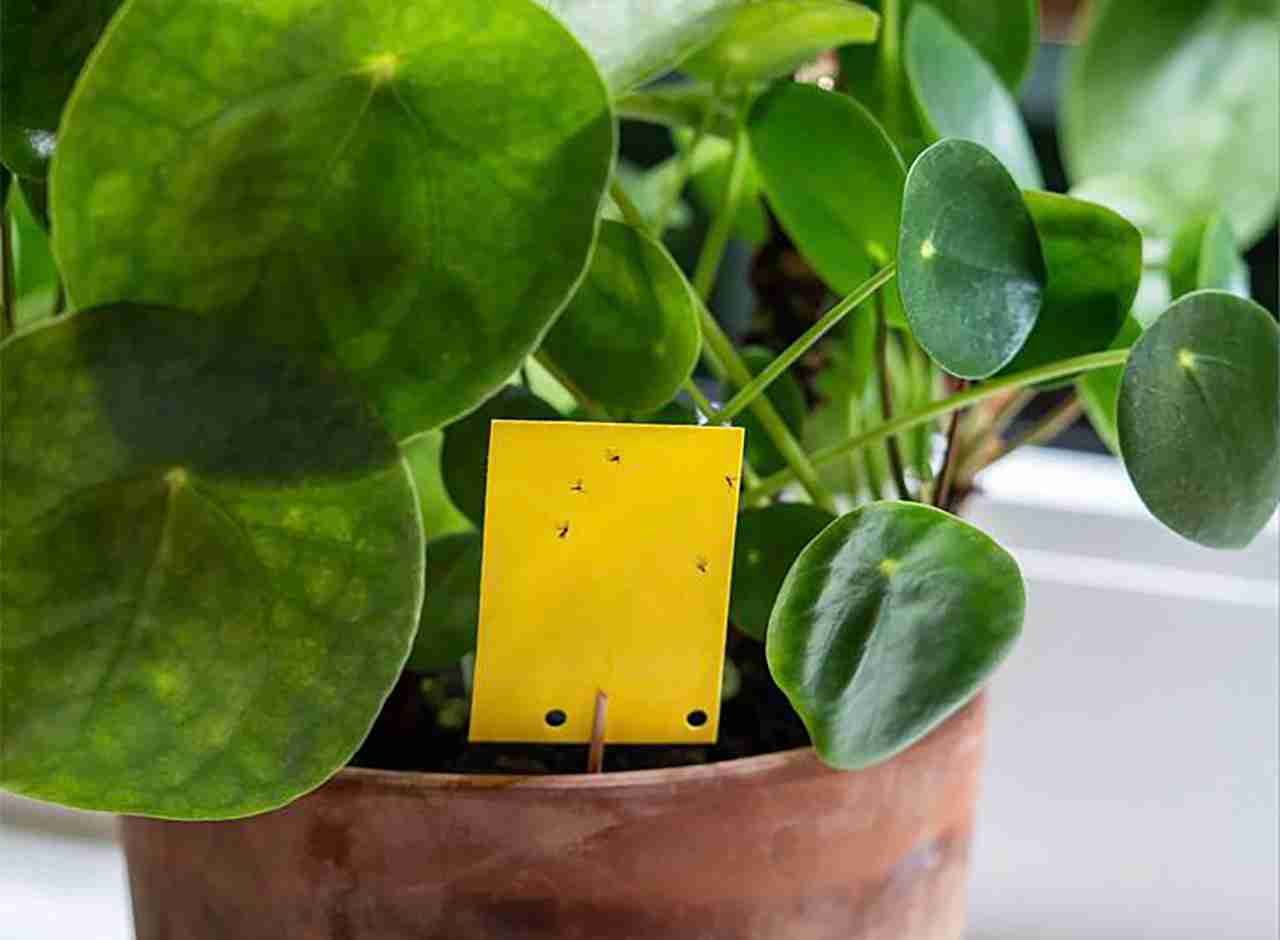
- Fungus gnats increase
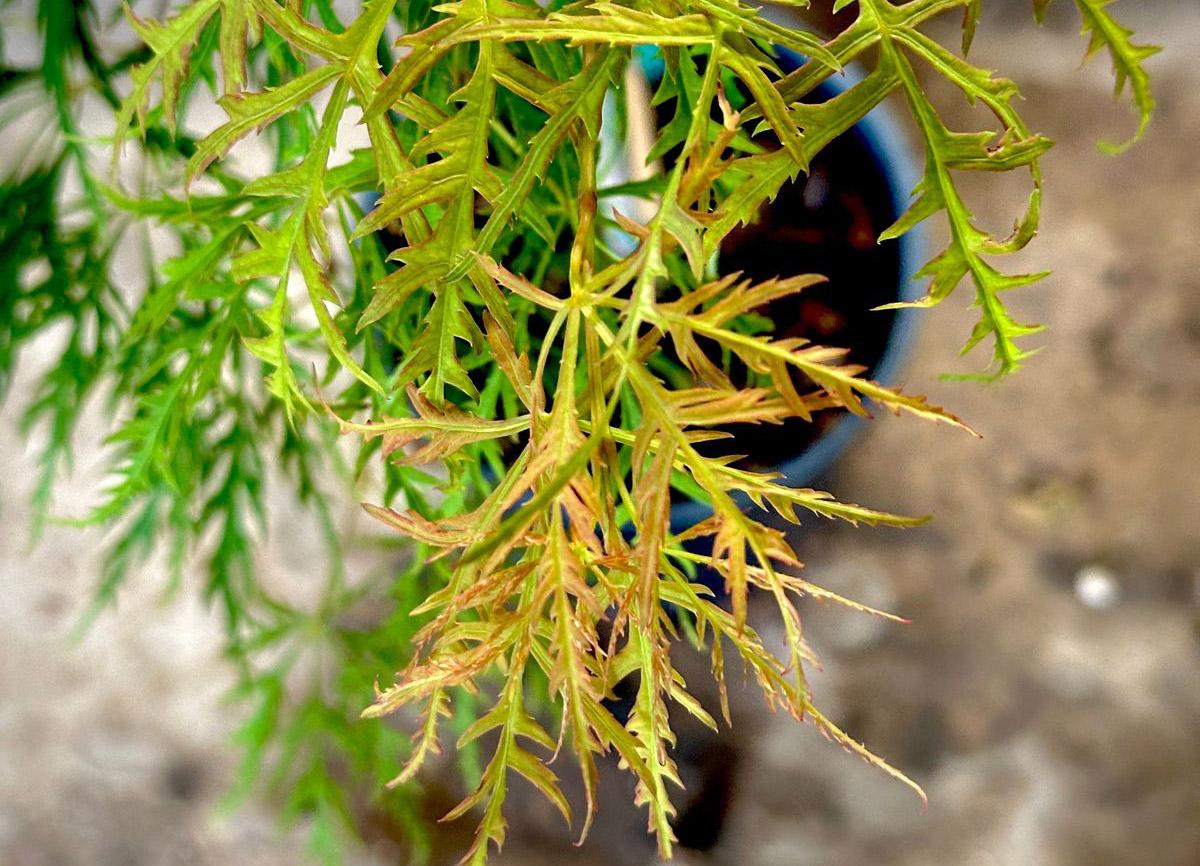
- Tips turn brown after soil dries too fast
How to fix:
- Stick your finger 2 inches into the soil — water only if it’s dry
- In winter, water 30–40% less than summer
- For plants near heaters, top up with a small amount instead of heavy watering
- Avoid letting the pot sit in water
Final winter care tips
-
- Keep plants away from vents or heaters
- Increase humidity with a tray of water or a humidifier
- Don’t repot unless absolutely necessary
- Trim only severely yellow leaves
Winter leaf yellowing doesn’t always mean your plant is dying — it’s simply reacting to a big seasonal change. When you understand how light, temperature, and watering shift during colder months, you can respond with small but effective adjustments. Most plants bounce back beautifully in spring once light increases. Until then, protect them from overwatering, give them the best light you can, and stay patient. Your plant is just resting, not giving up.