Heater Drying Out Your Soil — Should You Water More?
Indoor heating in winter speeds up soil evaporation, making many plant owners think they should water more often. But in cold seasons, most plants actually drink less, not more. This guide helps you understand when extra watering is needed—and when it’s a trap that leads to root rot.
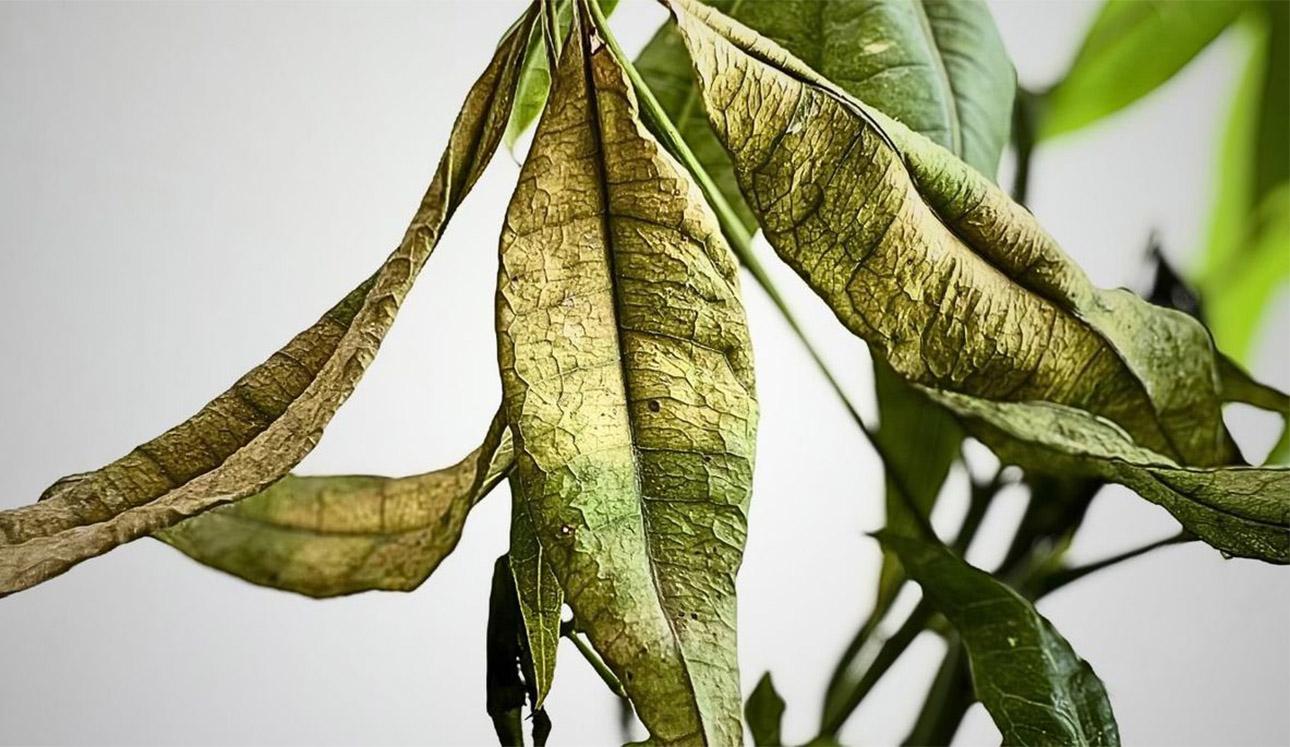
Why heaters dry the soil but plants drink less
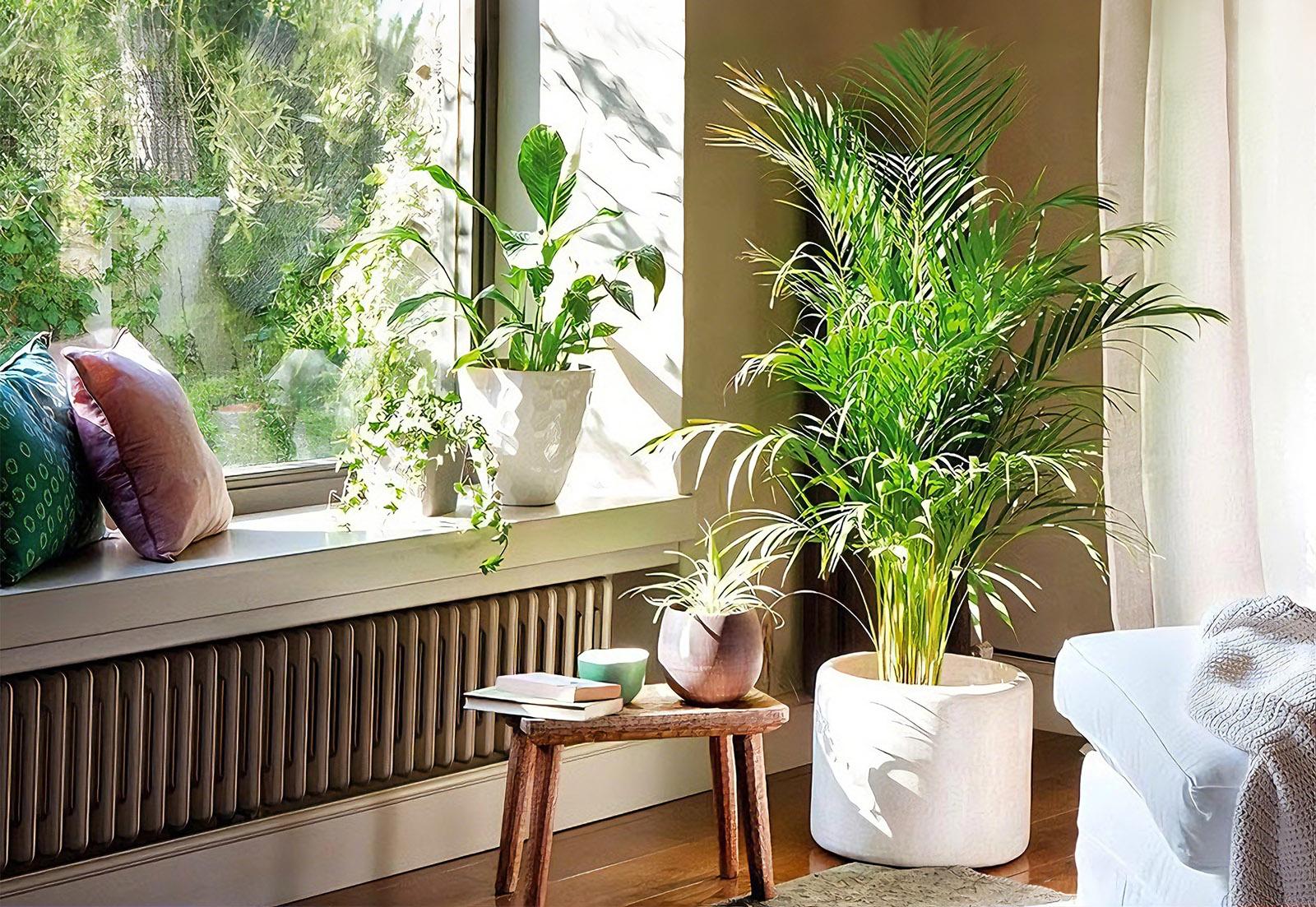
A heater blows warm, dry air that pulls moisture from the top layer of soil very quickly. But below the surface, the root zone stays cooler and wetter. Meanwhile, your plants enter a slower growth phase and don’t use as much water as in spring or summer.
So you get this confusing combo: dry topsoil + wet bottom soil. This is why watering “just because the top looks dry” usually leads to overwatering.
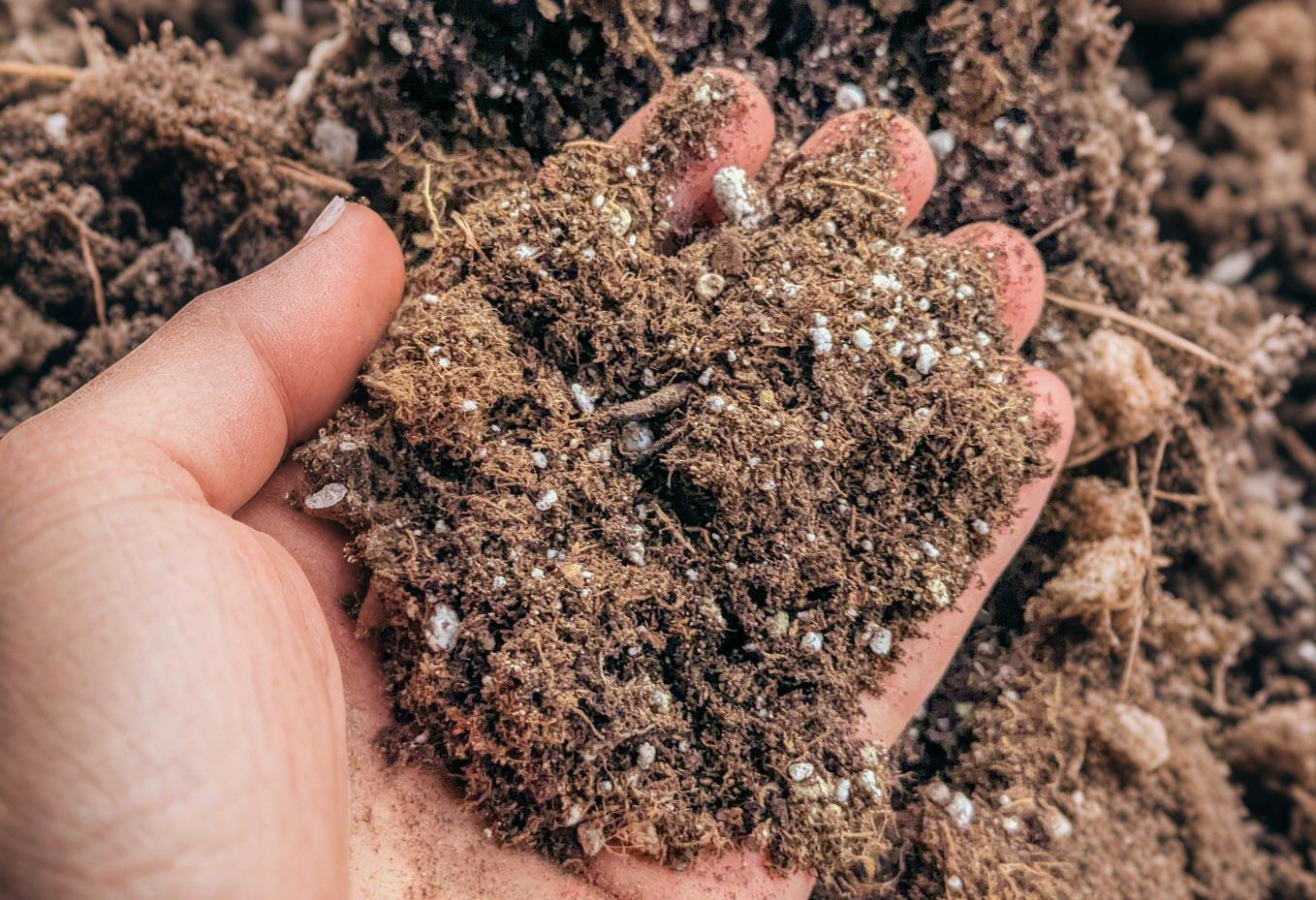
Should you water more? The quick test
Use the 2-inch rule:
- Stick your finger 2 inches (5 cm) into the soil.If it feels dry all the way, water.
- If it’s cool or slightly moist, wait—your plant doesn’t need more.
This solves 90% of heater-related watering mistakes.
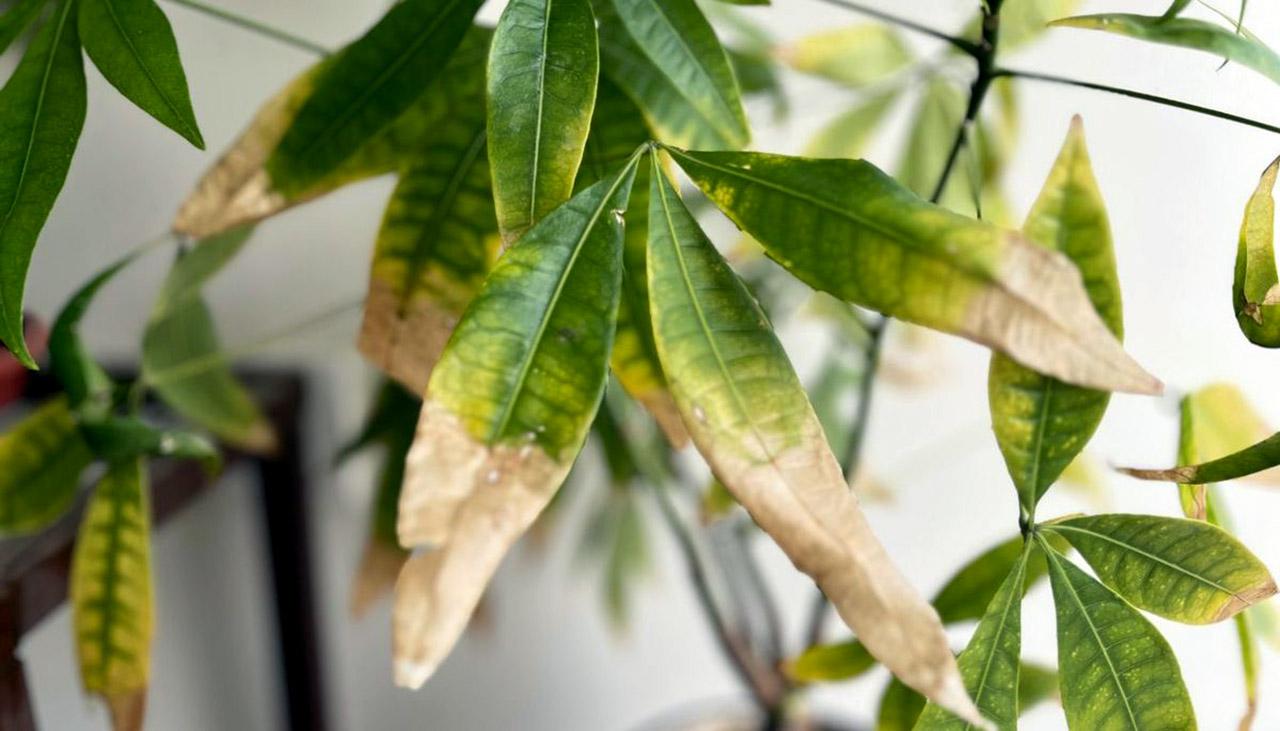
What to do if the soil dries too fast only on top
Try these practical tricks used by many U.S. plant owners:
- Bottom watering (let the pot absorb water from a tray) to avoid overwatering
- Mulch lightly with bark, pebbles, or coconut chips to reduce evaporation
- Move plants away from direct heater airflow
- Increase humidity with a humidifier or a water tray nearby
These small changes keep the top from drying too aggressively without drowning the roots.
When it is time to increase watering
Increase watering only if:
- You use terracotta pots (they dry much faster)
- The plant is near a south-facing window with bright winter sun
- You grow thirsty species like peace lilies, ferns, or spider plants
- Your home humidity is below 25%
In these situations, watering a little more frequently is normal.
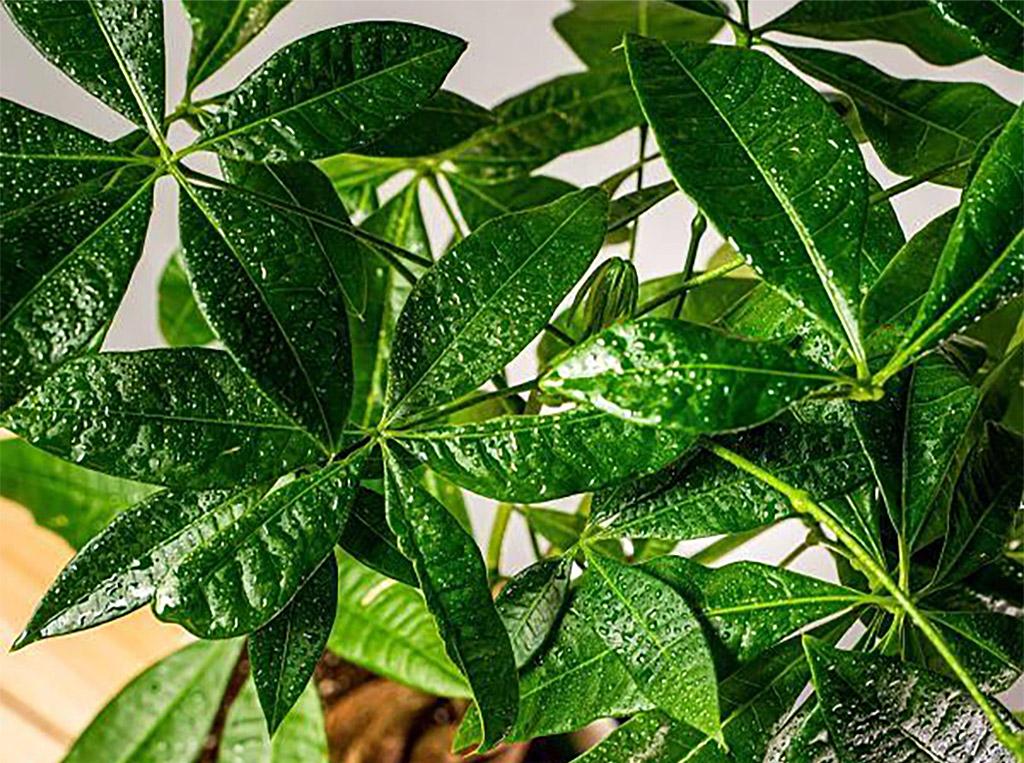
Heaters definitely make winter plant care harder to judge, but you don’t need to change your whole watering routine—just the way you check the soil. Remember: don’t judge by the surface, judge by the depth. Once you get the rhythm right, most plants will make it through winter and come back even stronger in spring.